Understanding Home Inspection Red Flags: What Buyers Should Know
Learn to identify critical issues during inspections that could impact your purchase decision and negotiating power.

Why Home Inspections Matter for Residential Buyers
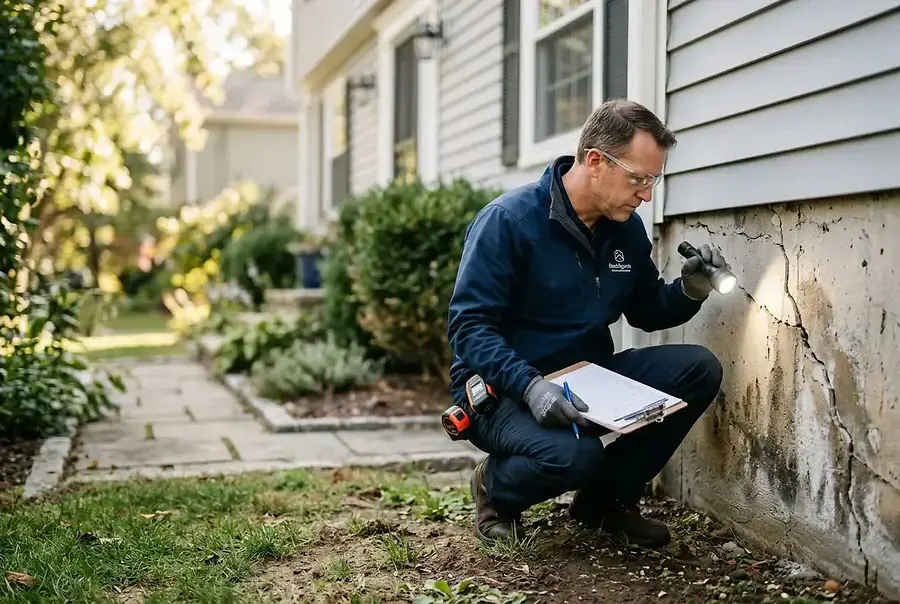
Purchasing a home is one of the most significant financial decisions you'll make in your lifetime. A professional home inspection is your opportunity to uncover hidden problems before committing to the purchase. Home inspections provide an objective assessment of a property's condition, protecting you from costly surprises down the road.
During an inspection, a certified inspector examines the home's major systems and structural components. Understanding what to look for—and what constitutes a serious red flag—empowers you to negotiate effectively and make informed decisions. Knowledge is power when it comes to real estate transactions.
Common Red Flags: Structural, Foundation, and Electrical Issues
Foundation Problems
The foundation is the backbone of any home. Foundation issues are among the most expensive repairs and should never be ignored. Watch for these warning signs:
- Visible cracks in the foundation, particularly horizontal or stair-step patterns
- Uneven or sloping floors throughout the home
- Doors and windows that stick or don't close properly
- Water seepage or dampness in the basement or crawl space
- Bowing or leaning walls
Minor hairline cracks may be cosmetic, but larger cracks warrant further investigation by a structural engineer.
Structural Concerns
Beyond the foundation, examine the overall structural integrity of the home. Look for:
- Sagging rooflines or ceilings
- Rotting wood in beams, joists, or support posts
- Evidence of pest damage or termite infestation
- Inadequate support columns or missing bracing
Structural repairs can be prohibitively expensive, so don't overlook these issues.
Electrical System Red Flags
Electrical problems pose serious safety risks. Your inspector should evaluate:
- Outdated wiring (knob-and-tube or aluminum wiring)
- Insufficient electrical capacity for modern appliances
- Overloaded circuits or improper grounding
- Faulty outlets or switches
- An outdated or undersized electrical panel
Electrical upgrades are necessary for safety and insurance purposes, and they can be costly. If the home has an older electrical system, budget for potential upgrades.
Systems to Evaluate: Plumbing, HVAC, and Roof Condition
Plumbing System Assessment
Water damage is one of the most common and costly issues in homes. During inspection, pay attention to:
- Water pressure and drainage issues
- Corroded or deteriorating pipes (especially galvanized or polybutylene)
- Evidence of leaks or water stains
- Outdated or failing water heaters
- Sewer line problems or backups
Replacing plumbing systems or addressing sewer issues can quickly become expensive. Request a sewer line inspection if the home is older or if you notice any warning signs.
HVAC System Condition
Heating, ventilation, and air conditioning systems are essential for comfort and indoor air quality. Evaluate:
- Age and condition of the furnace and air conditioning unit
- Proper ventilation and ductwork integrity
- Regular maintenance records
- Adequate refrigerant levels and system efficiency
HVAC systems typically last 15-20 years. If the system is nearing the end of its lifespan, budget for replacement costs in your offer.
Roof Condition and Longevity
The roof protects everything beneath it. A failing roof can lead to extensive water damage and mold growth. Inspect for:
- Missing, cracked, or curling shingles
- Sagging or uneven rooflines
- Deteriorated flashing around chimneys and vents
- Moss or algae growth indicating moisture retention
- Age of the roof and remaining lifespan
Most asphalt roofs last 20-25 years. If the roof is approaching the end of its life, factor replacement costs into your negotiation strategy.
Using Inspection Results to Make Confident Offers
Once you receive the inspection report, you have several options:
- Request repairs: Ask the seller to fix critical issues before closing
- Negotiate a price reduction: Reduce your offer to account for repair costs
- Request credits: Have the seller provide funds at closing for you to handle repairs
- Walk away: If issues are too severe or costly, you may choose not to proceed
A thorough home inspection is your best defense against purchasing a property with hidden problems. Use the findings to negotiate from a position of strength.
Don't be afraid to ask your inspector questions about any concerns. Request detailed explanations of red flags and estimated repair costs. This information is invaluable when making your final decision.
Remember, no home is perfect, but understanding the condition of the property allows you to make an informed purchase decision. By identifying red flags early, you protect your investment and ensure you're getting fair value for your money. Work with your real estate agent and inspector to evaluate findings and determine the best course of action for your specific situation.


