Understanding Home Inspection Reports Before Making Your Purchase
Learn what professional inspectors evaluate and how to use their findings to protect your residential investment.

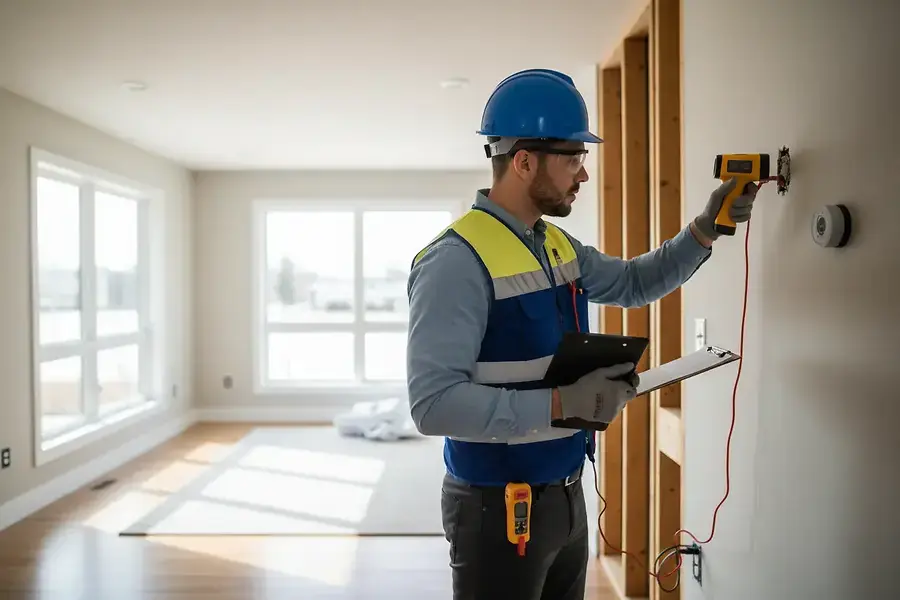
Why Professional Home Inspections Matter for Buyers
Purchasing a home is one of the most significant financial decisions you'll make in your lifetime. A professional home inspection serves as your safeguard against hidden defects and costly surprises. An inspection report provides an objective assessment of a property's condition, giving you the information needed to make an informed decision.
Many buyers skip or rush through inspections to close deals quickly, but this approach can lead to expensive repairs and regrets. A thorough inspection typically costs between $300-$500 and can save you thousands in unexpected repairs. Think of it as an investment in peace of mind and financial protection.
Key Areas Home Inspectors Examine in Residential Properties
Structural Components
Inspectors evaluate the foundation, walls, and overall structural integrity of the home. They look for signs of settling, cracks, water damage, and other issues that could affect the property's stability. Foundation problems are among the most expensive repairs, making this assessment critical.
Roofing and Exterior
The roof's age, condition, and remaining lifespan are evaluated. Inspectors also examine:
- Siding and exterior walls for damage or deterioration
- Windows and doors for proper sealing and function
- Gutters and drainage systems
- Decks and porches for safety and structural soundness
Plumbing Systems
Inspectors test water pressure, check for leaks, and assess the condition of pipes. They examine:
- Water heater age and functionality
- Drainage systems and septic conditions
- Visible signs of corrosion or damage
- Proper venting and ventilation
Electrical Systems
Electrical safety is paramount in any home inspection. Inspectors verify that the electrical panel is properly grounded, check outlet functionality, and identify any outdated or hazardous wiring. They also assess whether the home's electrical capacity meets modern needs.
HVAC Systems
Heating, ventilation, and air conditioning systems are tested for proper operation. Inspectors evaluate the age of equipment and estimate remaining useful life, which helps you budget for future replacements.
Interior Components
Inspectors examine walls, ceilings, floors, and insulation for damage or deficiencies. They also check appliances, fireplaces, and other built-in features included in the sale.
How to Interpret Your Inspection Report and Findings
Understanding the Report Format
Most inspection reports categorize findings into three levels: safety issues, major concerns, and minor repairs. Safety issues require immediate attention, while major concerns may need addressing within a few years. Minor repairs are typically cosmetic or low-priority items.
Distinguishing Between Critical and Minor Issues
Not all inspection findings are created equal. A roof that needs replacement in five years is different from one that's actively leaking. Similarly, cosmetic cracks in drywall differ significantly from structural foundation issues. Review the inspector's severity ratings carefully.
"The goal of a home inspection is to identify conditions that affect the property's value, safety, or livability."
Asking Questions and Seeking Clarification
Don't hesitate to contact your inspector with questions about specific findings. Ask for:
- Explanations of technical terms
- Estimated costs for repairs
- Urgency levels for addressing issues
- Recommendations for professional follow-up inspections
Getting Professional Opinions
For significant issues, consider hiring specialists. A structural engineer, electrician, or plumber can provide detailed assessments and repair estimates. This additional investment protects you from making decisions based on incomplete information.
Using Inspection Results to Negotiate Terms or Walk Away Confidently
Negotiating Repairs and Credits
Armed with inspection findings, you have leverage in negotiations. You can request that the seller:
- Complete repairs before closing
- Provide credits toward repair costs
- Reduce the purchase price to account for needed work
- Provide warranties or guarantees on major systems
Present inspection findings professionally and focus on documented issues rather than cosmetic preferences.
Knowing When to Walk Away
Sometimes, inspection results reveal that a property isn't worth the asking price or the cost of necessary repairs. Walking away from a bad deal is a smart financial decision. If the home has multiple major issues, significant structural problems, or extensive mold, it may be wise to continue your search.
Building Your Repair Budget
Use inspection findings to create a realistic post-purchase repair budget. Prioritize urgent safety issues and plan for major system replacements. This planning helps you avoid financial stress after closing.
Making Informed Decisions Through Inspection Insights
A professional home inspection is your opportunity to understand exactly what you're purchasing. The inspection report empowers you to make decisions based on facts rather than emotions or pressure.
Take time to thoroughly review the report, ask questions, and consult specialists when needed. Whether you negotiate repairs, request credits, or decide to walk away, your inspection findings provide the foundation for confident decision-making.
Remember: the goal isn't to find a perfect home—it's to find a home that's right for you at the right price, with full knowledge of what you're getting. A professional inspection ensures you achieve exactly that.


