Understanding Home Inspection Reports: Chicago and Evergreen Park Buyers Guide
Learn what home inspectors look for and how to use inspection reports to negotiate better deals in the Chicago area real estate market.

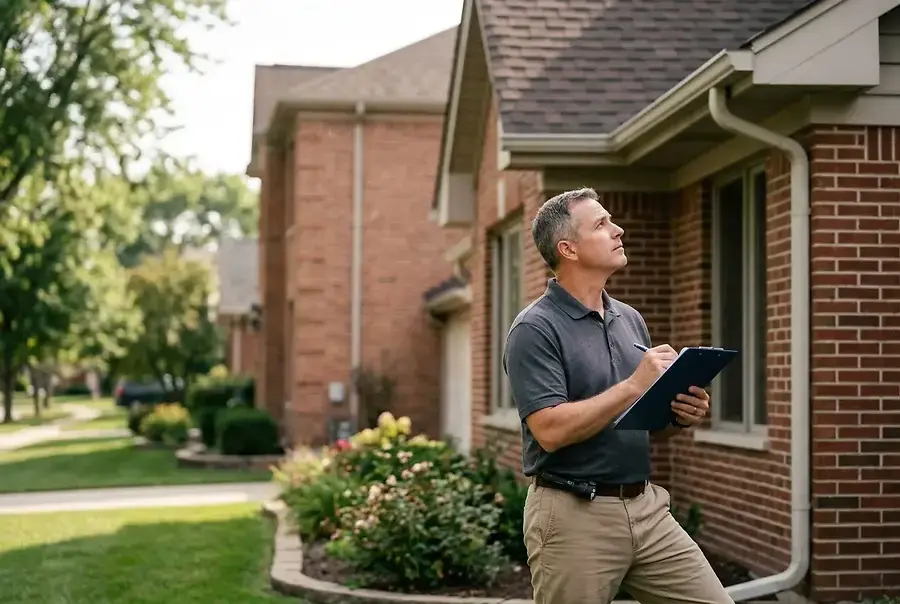
What Home Inspectors Examine During Property Evaluations
A professional home inspection is one of the most critical steps in the homebuying process. During a thorough evaluation, inspectors examine virtually every system and component of a property to identify potential issues before you commit to the purchase.
Structural Components
Home inspectors begin by evaluating the foundation, walls, and overall structural integrity of the property. They look for signs of settling, cracks, water damage, and other structural concerns that could affect the home's stability. In Chicago and Evergreen Park, where older homes are common, inspectors pay special attention to foundation issues that may have developed over decades.
Roofing and Exterior
The roof is one of the most expensive components to replace, so inspectors carefully assess its condition, age, and remaining lifespan. They also examine siding, windows, doors, gutters, and drainage systems to ensure they're functioning properly and protecting the home from water intrusion.
Plumbing and Electrical Systems
Inspectors test water pressure, check for leaks, and evaluate the condition of pipes throughout the home. They also inspect the electrical panel, outlets, and wiring to ensure everything meets current safety codes. This is particularly important in older Chicago properties that may have outdated systems.
HVAC and Mechanical Systems
Heating, cooling, and ventilation systems are thoroughly tested for proper operation and efficiency. Inspectors also examine water heaters, furnaces, and air conditioning units to determine their age and condition.
Common Issues Found in Chicago and Evergreen Park Homes
The Chicago area has unique characteristics that lead to specific inspection findings. Understanding these common issues helps you anticipate what your inspection report might reveal.
Water Damage and Moisture Issues
Chicago's climate and older home construction methods make water intrusion a frequent concern. Inspectors commonly find:
- Basement water seepage and flooding
- Roof leaks and damaged flashing
- Deteriorated caulking around windows and doors
- Inadequate grading or drainage around the foundation
Aging Infrastructure
Many homes in Chicago and Evergreen Park were built decades ago, which means aging systems are common findings:
- Outdated electrical wiring (knob-and-tube or aluminum)
- Galvanized or corroded plumbing pipes
- Aging furnaces and water heaters nearing replacement
- Asbestos in insulation, floor tiles, or pipe wrapping
Roof and Exterior Deterioration
Harsh winters and temperature fluctuations take a toll on roofing materials. Inspectors frequently note missing shingles, deteriorated flashing, and gutters clogged with debris.
HVAC System Concerns
Many older homes have inefficient heating systems. Inspectors often recommend upgrades to improve energy efficiency and reduce utility costs.
How to Interpret Inspection Reports and Prioritize Repairs
A comprehensive inspection report can be lengthy and technical. Learning to interpret it effectively helps you understand what needs immediate attention and what can wait.
Understanding Report Categories
Most inspection reports organize findings into categories based on severity:
- Critical Issues: Safety hazards or major system failures requiring immediate attention
- Major Issues: Significant problems that will likely need repair within the next few years
- Minor Issues: Small problems that don't pose immediate concerns but should be monitored
- Maintenance Recommendations: Suggestions for ongoing care and upkeep
Prioritizing Repairs
Not all issues require immediate action. Focus on repairs that affect safety, structural integrity, or major systems. Safety hazards like electrical problems, gas leaks, or mold should be addressed immediately. Cosmetic issues or minor maintenance items can often be deferred.
Getting Professional Opinions
For significant findings, consider obtaining specialist evaluations. A structural engineer can assess foundation concerns, while a licensed electrician can evaluate electrical system issues. These secondary opinions provide valuable information for negotiation and planning.
Using Inspection Findings to Negotiate Price and Terms
The inspection report is a powerful negotiating tool. Armed with detailed information about the property's condition, you can make informed requests for price reductions or repairs.
Strategies for Negotiation
When issues are discovered, you have several options:
- Request a price reduction: Ask the seller to lower the purchase price to account for needed repairs
- Ask for repairs: Request that the seller complete repairs before closing
- Request credits: Negotiate a credit at closing to cover repair costs yourself
- Walk away: If major issues exceed your budget, you may choose to terminate the purchase
Building Your Negotiation Case
Present repair estimates from licensed contractors to support your negotiation position. Sellers are more likely to respond favorably when you provide concrete evidence of repair costs. Focus on significant issues that affect the home's value or safety rather than minor cosmetic concerns.
Timing Your Negotiation
Most purchase agreements include an inspection contingency period—typically 7-10 days—during which you can request repairs or price adjustments. Use this window strategically. Respond promptly with your findings and proposed solutions to keep negotiations moving forward.
Working with Your Real Estate Agent
Your real estate agent understands local market conditions and can advise on reasonable negotiation requests. In the competitive Chicago market, knowing what's negotiable and what isn't can make the difference between a successful deal and a lost opportunity.
Remember: A thorough home inspection protects your investment and provides the information you need to make confident decisions about your Chicago area home purchase.
Final Thoughts
Home inspections are an investment in your peace of mind and financial security. By understanding what inspectors look for, recognizing common issues in Chicago and Evergreen Park properties, and using inspection findings strategically in negotiations, you'll be better equipped to make smart decisions in the real estate market. Don't skip this crucial step—the insights gained from a professional inspection can save you thousands of dollars and prevent costly surprises after closing.


