Understanding Home Inspection Reports for Residential Buyers
Learn what inspectors look for and how to interpret findings that could affect your purchase decision.

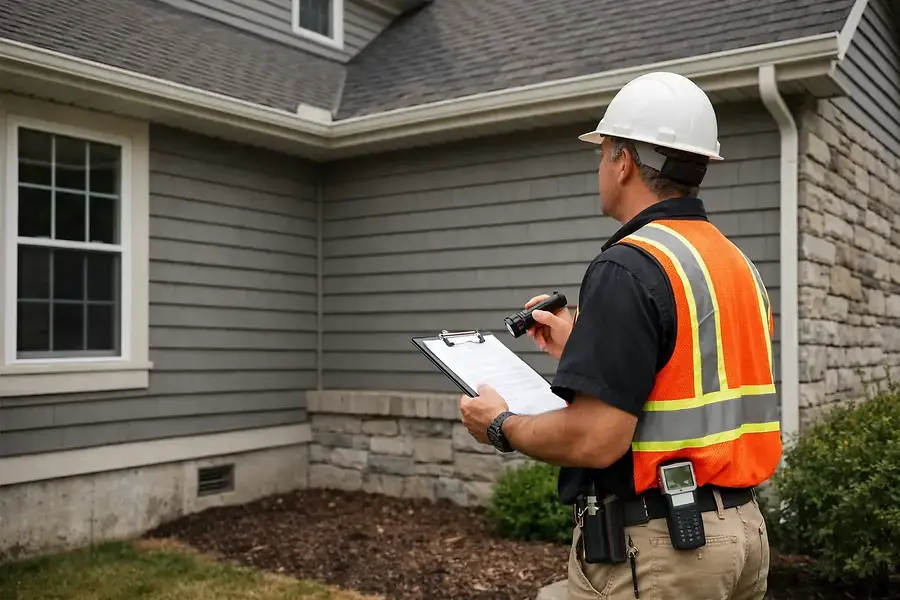
What Home Inspections Cover and Why They Matter
A home inspection is one of the most critical steps in the residential buying process. Before committing to a significant financial investment, a professional inspector examines the property's structural integrity, mechanical systems, and overall condition. This thorough evaluation protects you from inheriting costly problems and provides valuable information for making an informed purchase decision.
Home inspectors typically evaluate:
- Structural components - Foundation, walls, roof, and framing
- Roofing systems - Shingles, flashing, gutters, and drainage
- Plumbing - Pipes, fixtures, water pressure, and drainage systems
- Electrical systems - Wiring, panels, outlets, and safety features
- HVAC systems - Heating, cooling, and ventilation equipment
- Appliances - Included items and their operational status
- Interior elements - Walls, ceilings, floors, doors, and windows
- Exterior features - Siding, landscaping, driveways, and decks
Understanding what inspectors examine helps you prepare questions and know what to expect in your report. A comprehensive inspection typically takes 2-4 hours and provides detailed documentation of the property's condition.
Decoding Common Issues Found in Inspection Reports
Understanding Severity Levels
Inspection reports categorize findings by severity. Critical issues pose safety risks or require immediate attention, such as electrical hazards or structural damage. Major issues involve significant repairs or replacements, like a failing roof or outdated plumbing. Minor issues are cosmetic or involve routine maintenance, such as caulking needs or paint touch-ups.
Common Red Flags
Certain findings appear frequently in inspection reports and warrant careful consideration:
- Foundation problems - Cracks, settling, or water intrusion indicate structural concerns
- Roof damage - Missing shingles, leaks, or age-related deterioration affect home protection
- Water damage and mold - Signs of moisture issues can lead to health and structural problems
- Outdated electrical systems - Aluminum wiring or insufficient capacity may require upgrades
- HVAC system age - Systems over 15 years old may need replacement soon
- Plumbing issues - Galvanized pipes, low water pressure, or drainage problems
Distinguishing Between Concerns and Deal-Breakers
Not every finding requires renegotiation. Normal wear and tear is expected in any home. However, issues that affect safety, functionality, or require expensive repairs deserve attention. Consider the cost of repairs, your budget flexibility, and whether the seller is likely to address concerns before deciding your negotiation strategy.
Pro Tip: Request that your inspector explain findings in person. Visual demonstrations help you understand severity and urgency better than written descriptions alone.
Negotiating Repairs and Credits Based on Inspection Results
Preparing Your Negotiation Strategy
Armed with your inspection report, you have leverage to request repairs or credits. Before negotiating, obtain repair estimates from licensed contractors for significant issues. This documentation strengthens your position and provides realistic cost figures for discussion.
Negotiation Options
You have several approaches when addressing inspection findings:
- Request seller repairs - Ask the seller to fix issues before closing
- Negotiate a price reduction - Reduce the purchase price to account for repairs you'll handle
- Request a credit at closing - Receive funds to cover repairs after purchase
- Accept the property as-is - Proceed without requesting changes if issues are minor
Most sellers prefer price reductions or credits over handling repairs themselves, as they avoid contractor coordination and potential liability. However, for critical safety issues, requesting repairs before closing is often the best approach.
Effective Communication
Present your requests professionally and reasonably. Focus on documented findings from the inspection report rather than personal preferences. Provide contractor estimates for major repairs and explain why addressing issues before closing benefits both parties. Unreasonable demands may cause negotiations to collapse, so prioritize the most significant concerns.
Taking Action: Next Steps After Receiving Your Report
Immediate Actions
Upon receiving your inspection report, take these steps:
- Review thoroughly - Read the entire report and understand all findings
- Ask questions - Contact your inspector to clarify any unclear items
- Consult your real estate agent - Discuss findings and negotiation strategy
- Obtain repair estimates - Get quotes for significant issues within 24-48 hours
- Decide your position - Determine which issues warrant negotiation
Submitting Your Request
Most purchase agreements include an inspection contingency period, typically 7-10 days. Within this window, submit your repair requests or renegotiation proposal in writing. Be specific about which items you're addressing and what resolution you're seeking. Your real estate agent will present this formally to the seller's agent.
Evaluating the Seller's Response
The seller may agree to your requests, counter with alternative solutions, or refuse. If negotiations stall, you have options: accept the property as-is, request additional inspections for specific concerns, or invoke your inspection contingency to withdraw from the purchase without penalty.
Final Walk-Through
Before closing, conduct a final walk-through to verify that agreed-upon repairs were completed satisfactorily. Confirm that the property's condition matches the inspection report and that any negotiated items have been addressed. This final check protects your interests and ensures you're receiving what you agreed to purchase.
Remember: A home inspection is an investment in your peace of mind. Taking time to understand the report and address significant issues protects your financial investment and ensures you're making a confident, informed decision about one of life's largest purchases.