Understanding Home Inspection Reports for Residential Purchases
Learn what inspectors look for and how to use their findings to negotiate better terms on your residential property.

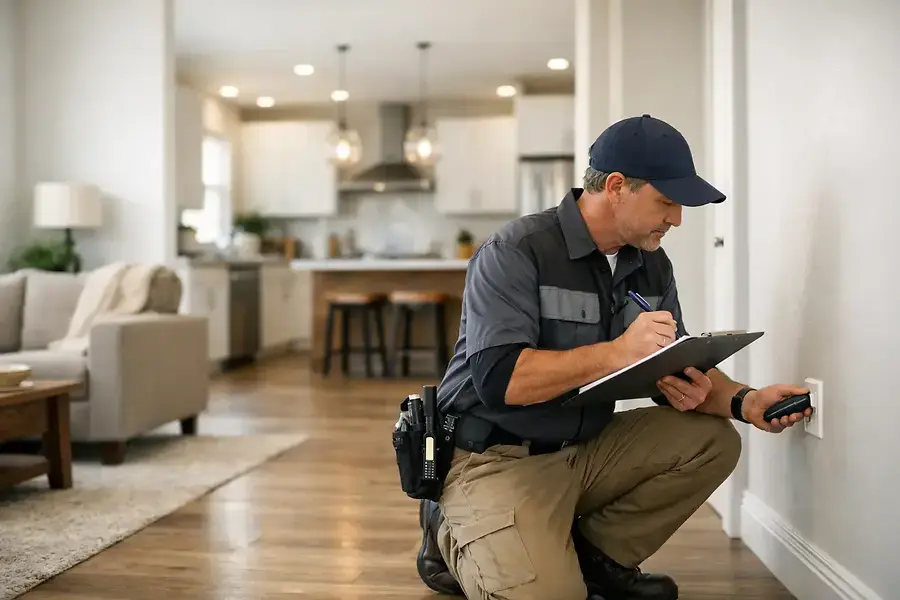
Why Home Inspections Matter in Residential Real Estate
Purchasing a home is one of the most significant financial decisions you'll make in your lifetime. Before committing to such a substantial investment, it's crucial to understand the true condition of the property you're considering. A professional home inspection serves as your safeguard, providing an objective assessment of the property's structural integrity, systems, and overall condition.
Home inspections protect buyers by identifying potential issues that may not be visible during a casual walkthrough. From hidden water damage to faulty electrical systems, inspectors uncover problems that could cost thousands of dollars to repair after purchase. This knowledge empowers you to make informed decisions and negotiate from a position of strength.
The inspection process typically takes 2-4 hours and covers every major system in the home. Having a detailed inspection report in hand gives you leverage in negotiations and helps you understand what you're truly buying.
Key Components Inspectors Evaluate in Residential Properties
Structural Elements
Inspectors begin by examining the foundation, walls, and overall structural integrity of the home. They look for cracks, settling issues, and signs of water intrusion that could indicate serious problems. The roof condition, including shingles, flashing, and gutters, is also thoroughly evaluated.
- Foundation cracks and water damage
- Roof age and condition
- Exterior walls and siding integrity
- Windows and door frames
Mechanical Systems
The heating, cooling, and ventilation systems are critical to your home's comfort and efficiency. Inspectors test these systems to ensure they're functioning properly and assess their remaining lifespan.
- HVAC system performance and age
- Water heater condition and capacity
- Plumbing system functionality
- Ductwork and ventilation
Electrical Systems
Electrical safety is paramount. Inspectors examine the electrical panel, wiring, outlets, and switches to ensure everything meets current safety codes. Outdated or faulty electrical systems pose serious fire and shock hazards.
- Electrical panel capacity and condition
- Grounding and bonding
- Outlet and switch functionality
- Presence of outdated wiring
Interior Components
Inspectors evaluate interior elements including insulation, drywall, flooring, and appliances. They also check for signs of pest infestation, mold, or moisture problems that could affect your health and the home's value.
- Insulation levels and condition
- Interior walls and ceilings
- Flooring condition
- Signs of mold or water damage
- Included appliances
How to Interpret and Use Inspection Findings in Your Offer
Understanding the Report
Home inspection reports typically categorize findings into three levels: safety issues, major repairs needed, and minor maintenance items. Safety issues require immediate attention, while major repairs may significantly impact the property's value. Minor items are typically cosmetic or routine maintenance.
"A thorough inspection report is your roadmap to making a confident purchase decision."
Prioritizing Issues
Not all inspection findings are created equal. Focus on items that affect safety, structural integrity, or major systems. A missing shingle is less critical than a failing foundation or outdated electrical panel. Prioritize issues based on:
- Safety hazards
- Cost to repair
- Urgency of repair
- Impact on home value
Negotiation Strategies
Armed with your inspection report, you have several negotiation options. You can request the seller make repairs before closing, ask for a price reduction to cover repair costs, or request a credit at closing. The key is presenting your findings professionally and reasonably.
For significant issues, obtain repair estimates from licensed contractors. These estimates provide concrete numbers for your negotiations and demonstrate that your requests are based on actual costs, not speculation.
When to Walk Away
Sometimes an inspection reveals problems so extensive that the property isn't worth pursuing. If major systems are failing, structural issues are severe, or repair costs exceed your budget, it may be time to move on. Your inspection contingency protects your earnest money deposit in these situations.
Making Informed Decisions with Inspection Data
A comprehensive home inspection report transforms you from a passive buyer into an informed decision-maker. You'll understand the true condition of the property, anticipate future maintenance needs, and budget accordingly for repairs and upgrades.
Use your inspection findings to:
- Negotiate repairs or credits with the seller
- Plan your post-purchase maintenance schedule
- Budget for upcoming repairs and replacements
- Understand the home's true market value
- Make a confident purchasing decision
Remember, a home inspection is an investment in your peace of mind. The cost of the inspection—typically $300-500—is minimal compared to the potential savings from identifying major issues before purchase. By understanding what inspectors evaluate and how to use their findings effectively, you'll navigate the home buying process with confidence and protect your investment for years to come.


