Understanding Home Inspection Reports: What Buyers Need to Know
Learn how to interpret inspection findings and negotiate effectively before closing on your residential purchase.

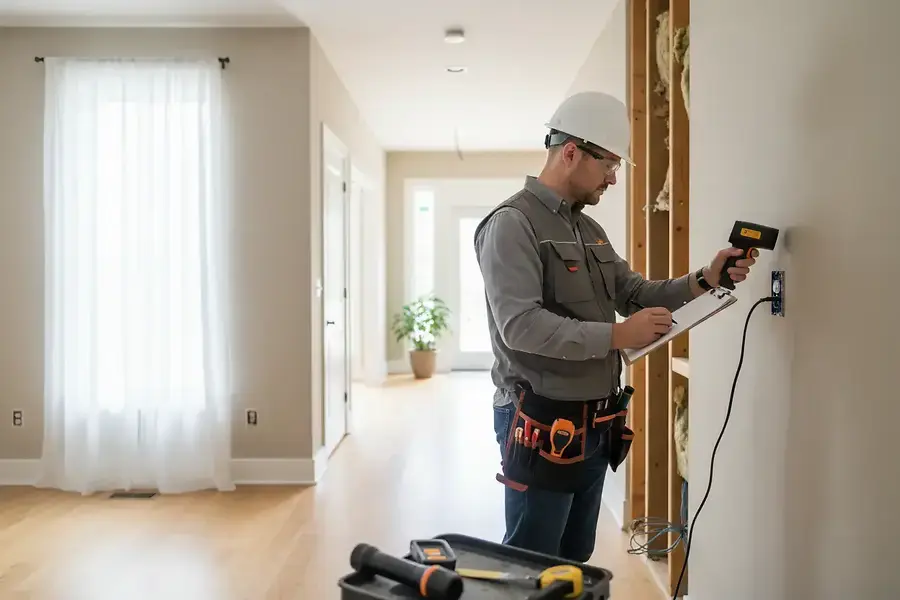
Why Home Inspections Matter for Residential Buyers
Purchasing a home is one of the most significant financial decisions you'll make in your lifetime. A professional home inspection is your opportunity to uncover potential issues before you commit to the purchase. Unlike a simple walk-through, a comprehensive inspection examines the structural integrity, mechanical systems, and overall condition of the property.
Home inspections serve as a critical safeguard for buyers. They provide an objective assessment of the property's condition and can reveal hidden problems that aren't visible during casual viewings. Armed with this information, you can make informed decisions about whether to proceed with the purchase, request repairs, or negotiate a lower price.
The Role of the Home Inspector
A certified home inspector is a trained professional who evaluates various aspects of your potential home. They examine the foundation, roof, electrical systems, plumbing, HVAC systems, insulation, and more. Their detailed report becomes your roadmap for understanding what you're actually buying.
Decoding Inspection Report Findings: Common Issues and What They Mean
Home inspection reports can seem overwhelming with technical jargon and numerous findings. Understanding how to interpret these reports is essential for making smart decisions about your purchase.
Understanding Report Categories
Most inspection reports organize findings into categories based on severity:
- Critical Issues: These are serious problems that affect safety or structural integrity, such as foundation cracks, electrical hazards, or roof leaks.
- Major Issues: These require attention but aren't immediately dangerous, such as aging HVAC systems or outdated plumbing.
- Minor Issues: These are cosmetic or maintenance-related concerns, like missing caulk or worn weatherstripping.
Common Inspection Findings Explained
Foundation Problems: Cracks in the foundation can range from cosmetic to serious. Hairline cracks are often normal, but larger or widening cracks may indicate structural issues requiring professional evaluation.
Roof Condition: Inspectors assess roof age, missing shingles, and signs of leaks. A roof nearing the end of its lifespan (typically 20-25 years) may need replacement soon, which is a significant expense.
Electrical Systems: Outdated wiring, insufficient outlets, or improper grounding can be safety hazards. Knob-and-tube wiring or aluminum wiring may require replacement.
Plumbing Issues: Water pressure problems, slow drains, or corroded pipes are common findings. Galvanized pipes, which corrode over time, may need replacement in older homes.
HVAC Systems: The age and condition of heating and cooling systems directly impact comfort and utility costs. An aging system may need replacement within a few years.
Moisture and Mold: Signs of water intrusion, dampness, or mold growth indicate potential problems that can affect health and structural integrity.
Distinguishing Between Urgent and Non-Urgent Issues
Not all inspection findings require immediate action. Ask yourself: Does this affect safety? Will it worsen quickly? Is it expensive to repair? Critical safety issues should take priority over cosmetic concerns or items that can wait a few years.
Using Inspection Results to Negotiate Repairs and Credits
Once you have the inspection report, you're in a stronger negotiating position. Here's how to use these findings effectively.
Prioritize Your Requests
Focus on critical and major issues rather than requesting repairs for every minor finding. Sellers are more likely to negotiate on significant problems. Create a prioritized list of issues that genuinely concern you or affect the home's value and safety.
Get Repair Estimates
Before negotiating, obtain estimates from licensed contractors for major repairs. This gives you concrete numbers to discuss with the seller and prevents overestimating costs. Armed with professional estimates, you can make reasonable requests backed by data.
Negotiation Strategies
Request Repairs: Ask the seller to fix critical issues before closing. This ensures work is done to your standards and protects you from liability.
Request Credits: Alternatively, request a credit toward closing costs to handle repairs yourself. This gives you control over the work quality and contractor selection.
Price Reduction: For significant issues, negotiate a lower purchase price to account for necessary repairs and future maintenance.
Remember: Sellers aren't obligated to negotiate, especially in competitive markets. Be reasonable with your requests and prioritize what truly matters for your safety and investment.
When to Walk Away
If the inspection reveals extensive problems or the seller refuses to negotiate reasonably, it may be time to reconsider. A home with major structural issues, significant mold problems, or extensive system failures might not be worth the investment, regardless of the asking price.
Protecting Your Investment Through Informed Decision-Making
The home inspection report is your tool for making an informed purchase decision. By understanding what the findings mean and using them strategically in negotiations, you protect yourself from costly surprises after closing.
Key Takeaways
- Always hire a certified, professional home inspector before making your final decision.
- Take time to understand the inspection report and ask your inspector questions about findings you don't understand.
- Prioritize critical safety issues over minor cosmetic concerns when negotiating.
- Get professional repair estimates to support your negotiation requests.
- Be prepared to walk away if the home's condition doesn't justify the asking price.
- Consider having a follow-up inspection for specific issues if needed.
A thorough home inspection is an investment in your peace of mind and financial security. By taking the time to understand the report and use it effectively, you're making one of the smartest decisions in the home buying process. Don't let inspection findings catch you off guard—be informed, be strategic, and protect your investment.


