Understanding Home Inspection Reports: What Buyers Need to Know
Learn how to read and interpret inspection findings to make confident purchasing decisions.

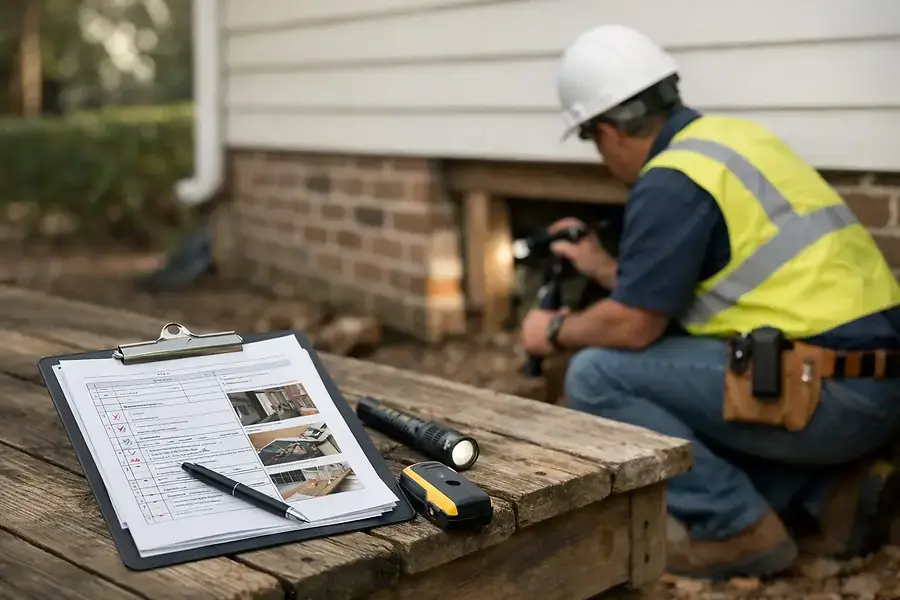
Why Home Inspections Matter for Residential Buyers
Purchasing a home is one of the most significant financial decisions you'll make in your lifetime. Before signing on the dotted line, a professional home inspection serves as your safeguard—a detailed examination of the property's condition that can reveal hidden problems and save you thousands of dollars in unexpected repairs.
A home inspection report is more than just a checklist; it's a comprehensive document that evaluates the structural integrity, mechanical systems, and overall safety of a property. Understanding how to read and interpret this report is crucial for making informed decisions that protect your investment and ensure you're getting fair value for your money.
Many first-time homebuyers feel overwhelmed by inspection reports, filled with technical jargon and unfamiliar terminology. However, with the right guidance, you can confidently navigate these documents and understand what they mean for your purchase decision.
Decoding Common Inspection Issues and What They Mean
Structural and Foundation Concerns
The foundation is the backbone of any home. Inspectors look for cracks, settling, water damage, and signs of movement. Minor hairline cracks are often normal in older homes, but larger cracks, bowing walls, or evidence of water intrusion warrant serious attention and may require professional assessment.
Roofing and Exterior Issues
Your roof protects everything beneath it. Inspectors evaluate:
- Shingle condition and remaining lifespan
- Flashing integrity around chimneys and vents
- Gutter functionality and drainage
- Signs of leaks or water damage in attics
A roof nearing the end of its life is a significant expense to budget for, typically ranging from $5,000 to $15,000 for replacement.
Plumbing and Water Systems
Inspectors test water pressure, check for leaks, and evaluate the age and type of pipes. Older homes with galvanized or polybutylene pipes may need replacement, which can be costly. Water heater age and condition are also important factors affecting future maintenance needs.
Electrical Systems
A thorough inspection includes checking the electrical panel, outlet safety, and proper grounding. Outdated panels, insufficient outlets, or improper wiring can pose safety hazards and may require upgrades to meet current building codes.
HVAC Systems
Heating, ventilation, and air conditioning systems are evaluated for age, efficiency, and proper operation. The inspector will note the system's remaining lifespan and any maintenance issues that could affect comfort and utility costs.
Interior and Moisture Issues
Inspectors look for signs of water damage, mold, pest infestations, and structural damage to walls, ceilings, and floors. Moisture problems are particularly concerning as they can lead to mold growth and structural deterioration if left unaddressed.
Red Flags vs. Minor Concerns: Prioritizing Repair Needs
Critical Red Flags That Demand Attention
Certain findings should trigger serious concern and may warrant walking away from the deal:
- Foundation problems – Major cracks, settling, or water intrusion
- Roof damage – Extensive deterioration or active leaks
- Electrical hazards – Faulty wiring, outdated panels, or safety violations
- Mold and moisture – Extensive mold growth or water damage indicating systemic issues
- Pest infestations – Termites or other structural pests requiring professional treatment
- Asbestos or lead – Hazardous materials requiring professional remediation
Red flags don't necessarily mean you should abandon the purchase—they mean you need to understand the full scope and cost of repairs before proceeding.
Minor Concerns You Can Live With
Not every finding requires immediate action. Common minor issues include:
- Cosmetic damage or outdated fixtures
- Minor caulking or weatherstripping needs
- Small roof repairs or missing shingles
- Outlet or light switch replacements
- Gutter cleaning or minor repairs
These items are typically inexpensive to address and don't affect the home's safety or structural integrity.
The Middle Ground: Significant but Manageable Issues
Many findings fall between minor and critical. A roof with 10-15 years of remaining life, aging HVAC systems, or outdated plumbing require budgeting for future replacement but don't necessarily disqualify the property. Understanding the timeline and cost helps you make an informed decision.
Using Inspection Data to Negotiate and Protect Your Investment
Leverage Findings for Negotiation
Armed with a detailed inspection report, you have leverage in negotiations. You can:
- Request the seller make repairs before closing
- Negotiate a price reduction to account for repair costs
- Ask for credits toward repairs you'll handle yourself
- Request extended warranties on major systems
Approach negotiations professionally and reasonably—sellers are more likely to cooperate if requests are based on documented findings rather than emotional reactions.
Plan Your Budget Wisely
Use the inspection report to create a realistic maintenance and repair budget. Prioritize critical issues first, then plan for upcoming replacements. This prevents financial surprises and helps you make a purchase decision based on total cost of ownership, not just the purchase price.
Schedule Follow-Up Inspections
For significant findings, consider hiring specialists. A structural engineer can assess foundation concerns, a roofer can evaluate roof condition, and a plumber can assess pipe issues. These targeted inspections provide detailed information for negotiation and planning.
Don't Skip the Final Walk-Through
Before closing, conduct a final walk-through to verify that agreed-upon repairs were completed satisfactorily. This ensures you're getting what you negotiated for and protects you from last-minute surprises.
Conclusion: Making Confident Purchasing Decisions
A home inspection report is your roadmap to understanding a property's true condition. By learning to decode common issues, distinguish between critical and minor concerns, and use findings strategically in negotiations, you empower yourself to make confident purchasing decisions.
Remember: no home is perfect, and inspection findings are normal. What matters is understanding what you're buying, budgeting appropriately, and ensuring the property meets your needs and safety standards. With this knowledge in hand, you're well-equipped to protect your investment and move forward with confidence in your home purchase.


