Understanding Home Inspection Reports: What Buyers Need to Know
Learn how to interpret inspection findings and negotiate repairs before closing on your residential purchase.

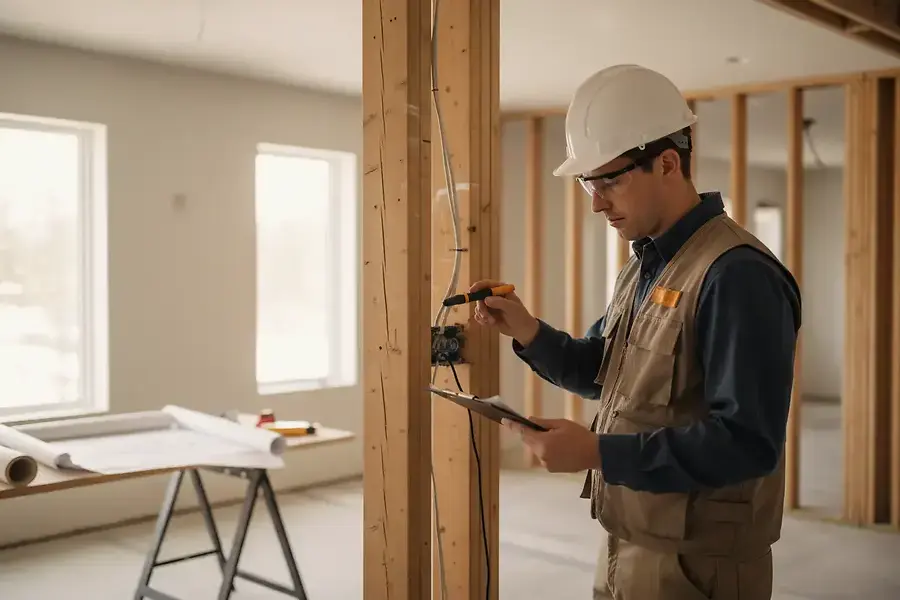
The Critical Role of Home Inspections in Residential Transactions
Purchasing a home is one of the most significant financial decisions most people make in their lifetime. Before committing to such a substantial investment, it's essential to understand the true condition of the property you're considering. This is where home inspections become invaluable. A professional home inspection provides an objective assessment of a property's structural integrity, systems, and overall condition, giving buyers the knowledge they need to make informed decisions.
Home inspections serve as a critical safeguard in residential transactions. They reveal hidden problems that might not be apparent during a casual walkthrough, from foundation issues to faulty electrical systems. By investing in a thorough inspection, buyers protect themselves from costly surprises after closing and gain leverage in negotiations with sellers.
Decoding Inspection Reports: Major vs. Minor Issues and What They Mean
Understanding the Report Structure
A professional home inspection report typically contains detailed findings organized by property system and component. The report will include sections covering the roof, foundation, plumbing, electrical systems, HVAC, and more. Each section documents the inspector's observations, photographs, and recommendations. Understanding how to read and interpret these findings is crucial for any homebuyer.
Identifying Major Issues
Major issues are defects that significantly impact the home's safety, functionality, or value. These problems typically require immediate attention and can be expensive to repair. Common major issues include:
- Foundation problems: Cracks, settling, or water intrusion that compromise structural integrity
- Roof damage: Missing shingles, leaks, or structural deterioration requiring replacement
- Electrical hazards: Outdated wiring, faulty panels, or code violations posing safety risks
- Plumbing failures: Corroded pipes, sewage backups, or water damage from leaks
- HVAC system failure: Non-functional heating or cooling systems requiring replacement
- Mold or asbestos: Health hazards requiring professional remediation
When major issues appear in your inspection report, they warrant serious consideration and should factor heavily into your decision-making process.
Recognizing Minor Issues
Minor issues are cosmetic or small functional problems that don't significantly impact the home's safety or value. While they should be documented, they're typically less urgent and less expensive to address. Examples include:
- Cracked caulking around windows or doors
- Worn weatherstripping
- Minor paint touch-ups needed
- Loose cabinet handles or hinges
- Small drywall repairs
- Clogged gutters or downspouts
Minor issues often represent normal wear and tear on a property. While you may want to address them eventually, they shouldn't be deal-breakers or primary negotiation points.
The Gray Area: Moderate Issues
Between major and minor issues lies a gray area of moderate concerns. These problems require attention but aren't immediately dangerous or catastrophically expensive. Examples include aging appliances nearing the end of their lifespan, minor roof repairs, or water stains suggesting past leaks. These issues deserve attention during negotiations but may not warrant walking away from an otherwise suitable property.
Using Inspection Results to Negotiate with Sellers Effectively
Preparing for Negotiations
Once you receive your inspection report, take time to thoroughly review it before entering negotiations. Prioritize your concerns by separating major issues from minor ones. Research typical repair costs in your area for the identified problems. This preparation gives you credibility and confidence when discussing findings with the seller.
Strategic Negotiation Approaches
You have several options when addressing inspection findings:
- Request repairs: Ask the seller to fix major issues before closing. This ensures the work is done to your satisfaction and protects you from contractor disputes.
- Request credits: Ask for a monetary credit to cover repair costs yourself. This gives you control over the work quality and contractor selection.
- Request price reduction: Negotiate a lower purchase price that accounts for necessary repairs and improvements.
- Walk away: If major issues are extensive and costly, you may choose to terminate the purchase and continue your search.
Effective Negotiation Tips
When presenting inspection findings to sellers, maintain a professional and factual approach. Focus on documented defects rather than cosmetic preferences. Use the inspection report as your primary reference, and consider obtaining additional quotes from contractors for major repairs. This demonstrates that your requests are reasonable and based on actual market costs.
Be prepared to compromise. Sellers may not agree to fix every minor issue, and that's acceptable. Prioritize the major concerns that affect safety, functionality, and long-term value. Reasonable negotiation often leads to successful outcomes that satisfy both parties.
Pro Tip: Always have your real estate agent review the inspection report with you. Their experience with local market conditions and typical repair costs can provide valuable perspective during negotiations.
Documentation and Follow-up
Once you reach an agreement on repairs or credits, ensure everything is documented in writing. Amendments to the purchase agreement should clearly specify which repairs the seller will complete, the timeline for completion, and any quality standards that must be met. If you're receiving credits instead, confirm the exact dollar amounts and how they'll be handled at closing.
Making Informed Decisions Based on Professional Inspection Data
A home inspection report is more than just a list of problems—it's a roadmap for your home purchase decision. By understanding how to interpret findings, distinguish between major and minor issues, and negotiate effectively, you empower yourself to make informed choices that protect your investment.
Remember that no home is perfect. Every property has some issues, and your goal is to identify significant problems that affect safety, functionality, and value. Use the inspection report as a tool to negotiate fairly and ensure you're making a sound investment in your future home.
Take your time reviewing the report, ask your inspector questions about anything you don't understand, and consult with your real estate agent and attorney before making final decisions. With proper preparation and strategic negotiation, you can address inspection findings effectively and move forward to closing with confidence.


