Understanding Home Inspection Requirements in Southwest Florida
Essential steps every residential buyer should know before closing on property in Naples, Marco Island, or Miami.

Why Home Inspections Matter in Southwest Florida's Climate
Southwest Florida's unique climate presents distinct challenges for residential properties. The region's hot, humid subtropical environment, combined with salt air exposure and intense seasonal weather patterns, creates specific wear-and-tear issues that differ significantly from other parts of the country. A thorough home inspection is not just a formality—it's a critical investment in your peace of mind and financial security.
The coastal proximity in areas like Naples and Marco Island means properties face constant exposure to salt spray, which accelerates corrosion of metal components and can compromise structural integrity over time. Additionally, the high humidity levels create ideal conditions for mold growth and wood rot, particularly in attics, crawl spaces, and areas with poor ventilation. Understanding these regional factors helps buyers make informed decisions and identify potential costly repairs before closing.
Common Issues Found in Southwest Florida Properties
Moisture and Mold Problems
One of the most prevalent issues in Southwest Florida homes is moisture intrusion and mold growth. The combination of high humidity and heavy rainfall creates an environment where mold thrives. Inspectors typically look for:
- Visible mold in bathrooms, kitchens, and basements
- Water stains on ceilings and walls indicating past or present leaks
- Musty odors suggesting hidden moisture problems
- Damaged or deteriorating drywall and insulation
Roof and Structural Damage
Southwest Florida's exposure to hurricanes and tropical storms means roof inspections are paramount. Inspectors examine:
- Missing, cracked, or curling shingles
- Deteriorated flashing around chimneys and vents
- Signs of previous water damage or repairs
- The overall condition and estimated remaining lifespan of the roof
Salt Corrosion and Metal Degradation
Properties near the coast experience accelerated corrosion of metal components. Common findings include rust on air conditioning units, corroded electrical fixtures, and deteriorating metal railings. This is particularly important for Marco Island and Naples waterfront properties.
HVAC and Plumbing Systems
The constant use of air conditioning in Southwest Florida's climate means HVAC systems work overtime. Inspectors evaluate the age, maintenance history, and functionality of cooling systems. Plumbing issues, including corrosion from salt water intrusion in coastal areas, are also carefully assessed.
Navigating the Inspection Process as a First-Time Buyer
Scheduling and Timing
Once your offer is accepted, you'll typically have a specified period—usually 10 to 14 days—to conduct your home inspection. Schedule the inspection as soon as possible to allow adequate time for review and negotiation if issues arise. Ensure you're present during the inspection; this is your opportunity to ask questions and understand the property's condition firsthand.
What to Expect During the Inspection
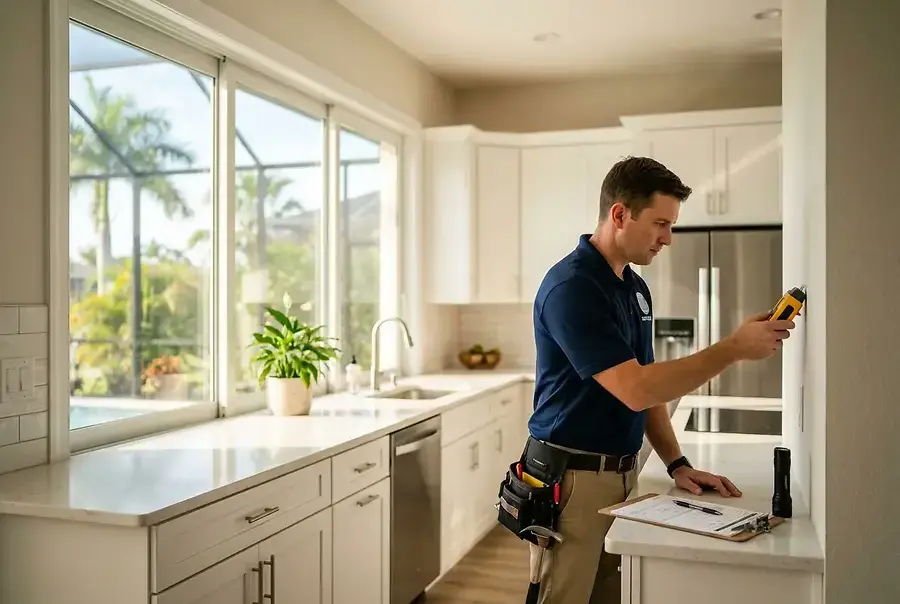
A comprehensive home inspection typically lasts 2-4 hours, depending on the property's size and age. The inspector will examine:
- Structural components and foundation
- Roof condition and attic space
- Electrical and plumbing systems
- HVAC systems and ductwork
- Windows, doors, and exterior condition
- Interior walls, ceilings, and flooring
- Appliances and built-in systems
Understanding the Inspection Report
The inspection report is your roadmap to the property's condition. It categorizes findings into three levels: items that need immediate attention, items that should be addressed soon, and minor maintenance recommendations. Pay special attention to items marked as safety hazards or major structural concerns. Don't hesitate to ask your real estate agent or inspector to clarify any findings you don't understand.
Using Inspection Results to Negotiate Your Best Deal
Prioritizing Your Concerns
Not every inspection finding requires negotiation. Focus on significant issues that affect safety, structural integrity, or major systems. A few missing roof shingles might be a minor repair, but evidence of extensive water damage or mold requires serious attention. Work with your real estate agent to distinguish between cosmetic issues and genuine concerns.
Requesting Repairs or Credits
After receiving the inspection report, you have several options. You can request that the seller make specific repairs before closing, ask for a credit toward closing costs to handle repairs yourself, or request a price reduction. In Southwest Florida's competitive market, sellers may be more willing to offer credits than to make repairs, as they want to close quickly.
When to Walk Away
Sometimes, the inspection reveals issues significant enough to reconsider the purchase. If major structural problems, extensive mold, or foundation issues are discovered, it may be wise to walk away. Your inspection contingency protects you—use it if necessary. A property that seems like a great deal can become a financial burden if hidden problems emerge after closing.
Final Walkthrough
Before closing, conduct a final walkthrough to verify that any agreed-upon repairs were completed satisfactorily. Confirm that the property's condition matches what was documented in the inspection report and that no new damage has occurred since the inspection.
Investing in a thorough home inspection is one of the smartest decisions you can make as a Southwest Florida homebuyer. It protects your investment, ensures you understand what you're purchasing, and provides leverage for negotiating the best possible deal. By understanding the inspection process and common regional issues, you'll approach your home purchase with confidence and clarity.