Understanding Home Inspections: A Buyer's Guide to Columbus Properties
Learn what professional inspectors look for and how inspection results can protect your investment and negotiating power.

Why Home Inspections Matter in Columbus Real Estate
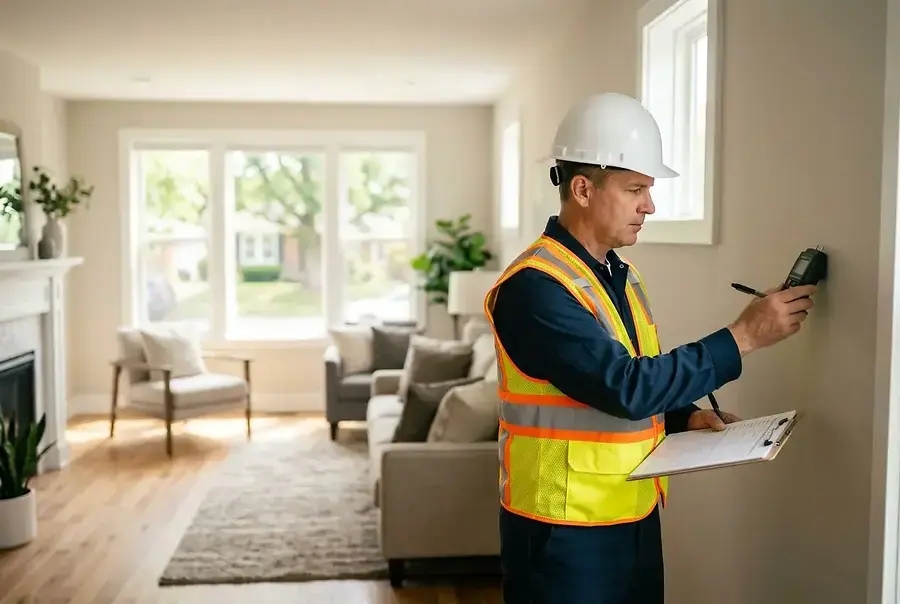
Purchasing a home is one of the most significant financial decisions you'll make in your lifetime. In Columbus, where the real estate market continues to evolve, a professional home inspection serves as your critical safeguard against costly surprises. A thorough inspection provides an objective assessment of a property's condition, revealing hidden issues that could affect your safety, comfort, and financial investment.
Many first-time homebuyers underestimate the importance of inspections, viewing them as an optional expense. However, inspection reports often uncover problems that could cost thousands of dollars to repair. From structural concerns to mechanical failures, these findings give you the knowledge needed to make informed decisions and negotiate effectively with sellers.
What Professional Inspectors Examine and Why Each Component Matters
Structural and Foundation Systems
Inspectors carefully evaluate the foundation, walls, and overall structural integrity of the home. Foundation issues are particularly serious because they can compromise the entire building's stability. In Columbus, where soil conditions vary by neighborhood, settling and cracks are common concerns that require professional assessment.
Roofing and Exterior
The roof is your home's first line of defense against weather. Inspectors examine shingles, flashing, gutters, and drainage systems to determine remaining lifespan and identify potential leaks. A roof replacement can easily exceed $10,000, making this assessment crucial for your budget planning.
Plumbing Systems
Professional inspectors test water pressure, check for leaks, and evaluate pipe materials. They look for:
- Corroded or outdated piping materials
- Water pressure inconsistencies
- Drainage issues and backups
- Water heater condition and age
Plumbing problems can lead to water damage and mold growth, making this inspection component essential.
Electrical Systems
Inspectors verify that electrical systems meet current safety codes. They examine the panel, outlets, switches, and wiring to identify potential hazards. Outdated electrical systems are a common issue in older Columbus homes and may require upgrades to safely power modern appliances.
HVAC Systems
Heating, ventilation, and air conditioning systems are tested for proper operation and efficiency. Inspectors assess the age of equipment, maintenance history, and whether systems can adequately serve the home's square footage.
Interior Components
Inspectors examine doors, windows, flooring, walls, and ceilings for damage, wear, and functionality. They also check for signs of water damage, pest infestation, and mold growth throughout the property.
Common Issues in Columbus Homes and Negotiation Strategies
Water Damage and Moisture Problems
Columbus's climate can contribute to moisture-related issues. Water damage in basements and crawl spaces is particularly common in the region. When inspections reveal moisture problems, you have several negotiation options:
- Request the seller complete repairs before closing
- Negotiate a price reduction to cover remediation costs
- Ask for a credit toward repairs you'll handle after purchase
Aging Systems and Components
Many Columbus homes feature aging HVAC systems, roofs, and water heaters. Rather than viewing these as deal-breakers, use inspection findings to negotiate realistic timelines for replacement. A 15-year-old roof doesn't necessarily need immediate replacement, but knowing its condition helps you budget accordingly.
Code Violations and Safety Issues
Inspectors identify code violations that could affect your ability to refinance or insure the property. Addressing these issues before purchase protects your long-term interests. Common violations include improper electrical work, inadequate ventilation, and safety hazards.
Pest Infestations
While general home inspectors note signs of pest activity, they don't provide pest control services. If evidence of termites, rodents, or other pests appears, request a specialized pest inspection. Use these findings to negotiate pest treatment costs or price adjustments.
Effective Negotiation Strategies
Armed with inspection results, approach negotiations strategically:
- Prioritize major issues: Focus on structural, safety, and system concerns rather than cosmetic problems
- Get repair estimates: Obtain quotes for significant repairs to support your negotiation position
- Be reasonable: Expect normal wear and tear; focus on items that genuinely affect safety and value
- Document everything: Keep all inspection reports and repair estimates organized for reference
- Know your limits: Understand when to walk away if issues are too extensive or costly
Making Informed Decisions Based on Inspection Reports
After receiving inspection results, take time to review the report thoroughly. Don't hesitate to ask your inspector questions about findings you don't understand. Many inspectors offer follow-up consultations to clarify concerns.
Consider hiring specialists for specific issues. If the general inspection reveals potential electrical problems, a licensed electrician can provide detailed assessment and repair estimates. This additional information strengthens your negotiating position.
Remember that no home is perfect. The goal of inspection is not to find a flawless property, but to understand what you're purchasing and make decisions based on complete information.
Use inspection findings to create a post-purchase maintenance plan. Understanding your home's condition helps you prioritize repairs and budget for future upgrades. This proactive approach protects your investment and prevents small issues from becoming major problems.
In Columbus's competitive real estate market, a professional home inspection is your best tool for making confident, informed purchasing decisions. By understanding what inspectors examine and how to use their findings, you protect both your financial investment and your family's safety and comfort in your new home.