Understanding Home Inspections: A Buyer's Guide to Honolulu Real Estate
Essential steps every buyer should take to protect their investment in Hawaii's competitive residential market.

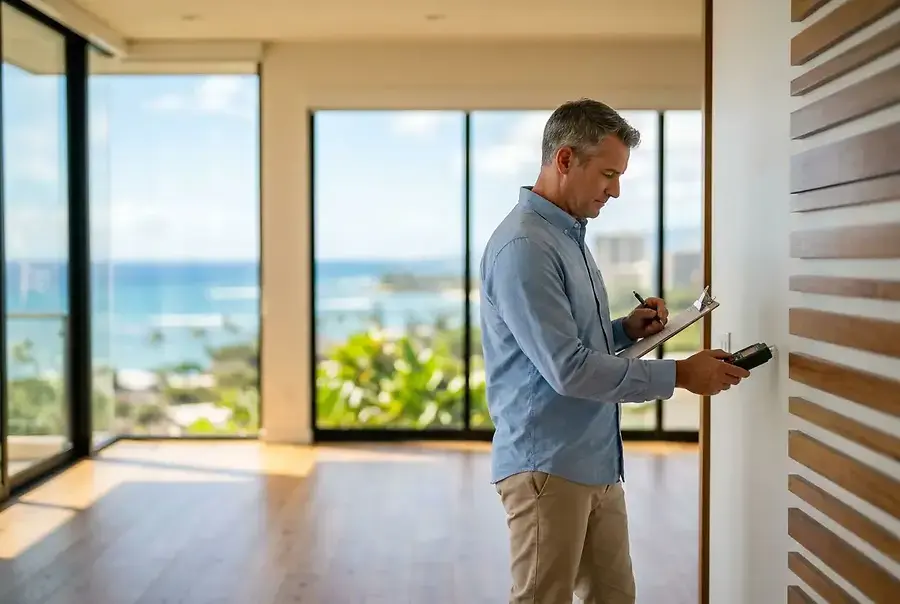
Why Home Inspections Matter in Honolulu
Purchasing a home in Honolulu represents one of the most significant financial decisions you'll make. With Hawaii's competitive real estate market and unique environmental challenges, a professional home inspection is not just recommended—it's essential. Home inspections provide you with an independent, detailed assessment of a property's condition, helping you understand exactly what you're investing in.
In Honolulu's tropical climate, homes face distinct challenges that mainland properties may never encounter. Salt air corrosion, volcanic rock foundations, and high humidity create specific maintenance concerns that require expert evaluation. A thorough inspection protects your investment by identifying potential issues before you commit to the purchase, giving you leverage in negotiations and peace of mind about your new home.
What to Expect During a Professional Home Inspection
The Inspection Process
A professional home inspection typically lasts between two to four hours, depending on the property's size and complexity. The certified inspector will systematically evaluate all major systems and components of the home, creating a detailed report of their findings.
Key Areas Inspected
- Structural Components: Foundation, walls, roof, and framing integrity
- Roofing System: Shingles, flashing, gutters, and drainage
- Plumbing: Water pressure, pipe condition, and drainage systems
- Electrical Systems: Panel condition, wiring, outlets, and safety features
- HVAC Systems: Air conditioning units, heating systems, and ventilation
- Interior Features: Doors, windows, flooring, and wall conditions
- Exterior Elements: Lanais, decks, landscaping, and drainage
- Appliances: Functionality of included kitchen and laundry appliances
Your Role During the Inspection
As the buyer, you're encouraged to walk through the property with the inspector. This hands-on approach allows you to ask questions, understand the home's systems, and learn about maintenance requirements. Take notes on any concerns and ask the inspector to explain their findings in detail. This is your opportunity to become fully informed about your potential purchase.
Common Issues Found in Honolulu Properties and How to Address Them
Salt Air Corrosion
Honolulu's proximity to the ocean means salt air can corrode metal fixtures, air conditioning units, and exterior components. During inspection, look for rust on railings, HVAC units, and metal roofing. Address this by: Budgeting for regular maintenance, applying protective coatings, and planning for component replacement sooner than mainland properties might require.
Roof Damage and Wear
Hawaii's intense sun and occasional heavy rains can accelerate roof deterioration. Inspectors will check for missing shingles, cracked tiles, and compromised flashing. If issues are found: Request repair estimates from the seller or negotiate a credit toward repairs. Consider the roof's age—replacement may be necessary within a few years.
Plumbing Concerns
Older Honolulu homes may have outdated plumbing systems or mineral buildup from Hawaii's water supply. Inspectors test water pressure and check for leaks. Common solutions include: Pipe replacement, water filtration system installation, or negotiating repair costs with the seller before closing.
Mold and Moisture Issues
Hawaii's humid climate creates ideal conditions for mold growth. Inspectors look for moisture damage in bathrooms, basements, and around windows. Prevention and remediation: Ensure proper ventilation, maintain air conditioning systems, and address any water intrusion immediately upon discovery.
Foundation and Structural Issues
Honolulu's volcanic rock foundation can present unique challenges. Inspectors assess foundation stability and look for cracks or settling. If concerns arise: Request a specialized structural engineer's evaluation before making your final decision.
Electrical System Updates
Older homes may have outdated electrical panels or insufficient capacity for modern appliances. Inspectors evaluate the system's safety and functionality. Budget considerations: Upgrading electrical systems can be costly, so factor this into your offer negotiations.
Making Informed Decisions Before Closing
Once you receive the inspection report, take time to review it thoroughly. Consider these next steps:
- Prioritize issues by severity—safety concerns should take precedence over cosmetic issues
- Obtain repair estimates from licensed contractors for significant findings
- Negotiate with the seller for repairs, credits, or price reductions based on inspection results
- Request specialized inspections for specific concerns (structural, pest, mold)
- Have your real estate agent and inspector explain any technical findings you don't understand
Remember, no home is perfect. The goal of a home inspection is to give you complete information so you can make confident decisions about your investment. In Honolulu's dynamic real estate market, this knowledge is your greatest asset.
A thorough home inspection is an investment in your peace of mind and financial security. Don't skip this crucial step in your home-buying journey.


