Understanding Home Inspections: A Complete Buyer's Guide to Property Evaluation
Learn what professional inspectors look for and how to use their findings to make confident purchasing decisions.

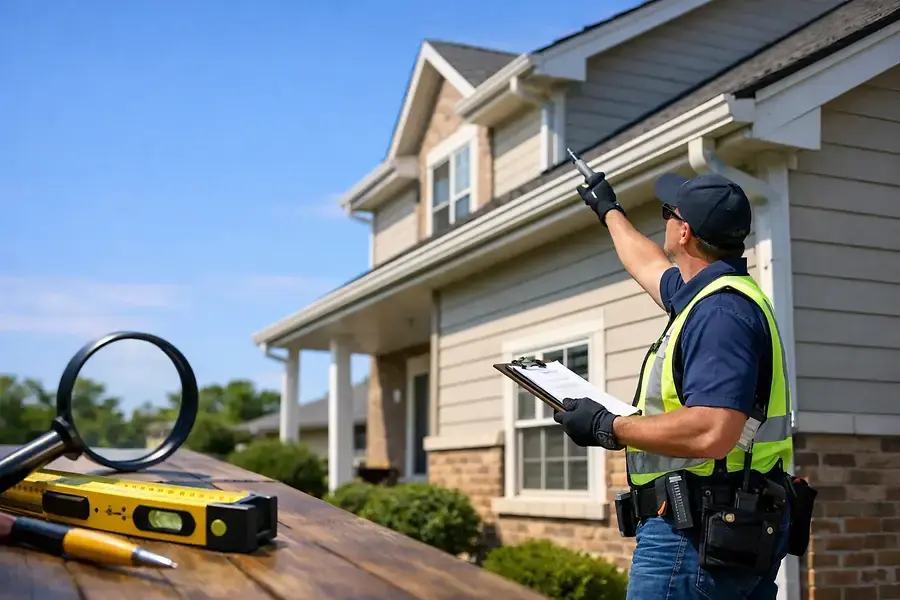
Why Home Inspections Are Critical for Residential Buyers
Purchasing a home is one of the most significant financial decisions you'll make in your lifetime. A professional home inspection is your safeguard against costly surprises and hidden defects that could drain your savings after closing. Unlike appraisals, which determine a property's market value, inspections focus on the physical condition and safety of the structure and its systems.
A thorough home inspection provides you with detailed knowledge about the property's condition, helping you make informed decisions about whether to proceed with the purchase, negotiate repairs, or request a price reduction. Without this critical step, you could inherit expensive problems such as foundation issues, roof deterioration, electrical hazards, or plumbing failures that weren't visible during casual walkthroughs.
Key benefits of home inspections include:
- Identifying safety hazards and code violations
- Uncovering deferred maintenance and needed repairs
- Providing negotiating leverage with sellers
- Offering peace of mind about your investment
- Helping you plan for future maintenance and budgeting
The Home Inspection Process: What Inspectors Examine and How They Report Findings
What Professional Inspectors Evaluate
A comprehensive home inspection typically takes two to four hours and covers multiple systems and components of the property. Licensed inspectors follow standardized guidelines to ensure consistency and thoroughness in their evaluations.
Structural Components: Inspectors examine the foundation, framing, walls, and roof structure for signs of damage, settling, or deterioration. They look for cracks, water damage, and structural integrity issues that could affect the home's stability.
Roofing and Exterior: The roof's age, condition, and remaining lifespan are assessed. Inspectors also evaluate siding, gutters, downspouts, windows, doors, and grading to ensure proper water drainage away from the foundation.
Plumbing Systems: Water supply lines, drainage systems, fixtures, and water heaters are tested for functionality and safety. Inspectors check for leaks, corrosion, and proper venting.
Electrical Systems: The main panel, wiring, outlets, and switches are inspected for safety compliance and proper grounding. Outdated or hazardous electrical systems are flagged for professional remediation.
HVAC Systems: Heating, cooling, and ventilation systems are tested for proper operation and efficiency. The age and condition of furnaces, air conditioners, and ductwork are documented.
Interior Components: Inspectors examine walls, ceilings, floors, stairs, and built-in appliances. They assess the condition of insulation, ventilation, and moisture control throughout the home.
How Inspectors Report Their Findings
Professional inspectors provide detailed written reports, often with photographs and diagrams, that categorize findings by severity. Most reports use a classification system such as:
- Safety Issues: Immediate hazards requiring urgent attention
- Major Repairs: Significant defects affecting functionality or longevity
- Minor Repairs: Small issues that should be addressed but aren't urgent
- Maintenance Recommendations: Preventive care to extend component lifespan
The report should be clear, organized, and easy to understand. Don't hesitate to ask your inspector to explain any findings or recommendations you don't fully comprehend.
Identifying Red Flags and Negotiating Based on Inspection Results
Critical Red Flags to Watch For
Certain inspection findings warrant serious consideration and may require expert evaluation before proceeding with your purchase:
- Foundation Problems: Cracks, settling, or water intrusion in the foundation can be extremely expensive to repair
- Roof Issues: A roof nearing the end of its lifespan or showing significant damage may require replacement within a few years
- Electrical Hazards: Outdated wiring, improper grounding, or code violations pose safety risks
- Mold or Water Damage: These issues indicate moisture problems that can affect health and structural integrity
- HVAC System Failure: Aging or non-functional heating and cooling systems represent substantial replacement costs
- Plumbing Issues: Corroded pipes, inadequate water pressure, or sewage problems require professional attention
Negotiation Strategies
Once you receive the inspection report, you have several options for moving forward:
Request Repairs: Ask the seller to repair identified issues before closing. This ensures work is completed to your satisfaction and protects you from liability.
Request Credits: Negotiate a reduction in the purchase price to cover repair costs. This gives you control over contractor selection and work quality.
Request Partial Repairs: Ask the seller to address only the most critical safety and structural issues while you handle minor repairs yourself.
Walk Away: If inspection findings reveal extensive damage or costs that exceed your budget, you may have grounds to withdraw from the purchase, depending on your contract terms.
"A home inspection is not just about finding problems—it's about making an informed decision with complete knowledge of what you're purchasing."
Approach negotiations professionally and reasonably. Sellers are more likely to cooperate if your requests are based on legitimate safety concerns or significant structural issues rather than minor cosmetic imperfections.
Leveraging Inspection Data to Protect Your Real Estate Investment
The inspection report doesn't end its usefulness after closing. Keep your report for future reference as you plan maintenance, make repairs, or eventually sell the property. The documentation of the home's condition at the time of purchase protects you legally and helps you understand your property's needs.
Use the inspector's maintenance recommendations to create a preventive care schedule. Addressing minor issues early prevents them from becoming major, expensive problems. Budget for anticipated replacements, such as roof or HVAC system renewal, based on the inspector's assessment of remaining lifespan.
A professional home inspection is an investment in your peace of mind and financial security. By understanding what inspectors evaluate, carefully reviewing their findings, and using that information to negotiate effectively, you transform the inspection process from a formality into a powerful tool for protecting your real estate investment and ensuring you're making the best possible purchasing decision.


