Understanding Home Inspections: A Complete Guide for Dallas Homebuyers
Protect your investment by understanding what inspectors look for in Dallas homes and how to interpret inspection reports.

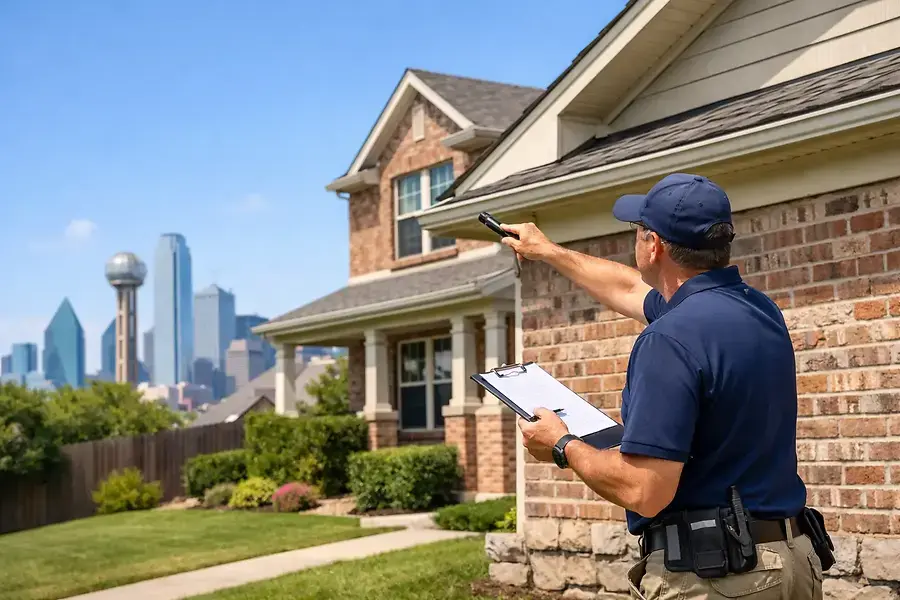
Why Home Inspections Matter in Dallas
Buying a home is one of the most significant financial decisions you'll make in your lifetime. In the Dallas real estate market, where properties range from historic homes to modern developments, a professional home inspection is your safeguard against costly surprises. A thorough inspection provides an objective assessment of your potential property's condition, helping you make informed decisions and negotiate effectively with sellers.
Home inspections are particularly important in Dallas due to the region's unique climate challenges. The intense Texas heat, occasional severe weather, and the age of many properties in established neighborhoods can lead to specific issues that inspectors are trained to identify. Whether you're purchasing a charming older home in Oak Cliff or a newer property in the suburbs, understanding what inspectors evaluate will empower you as a buyer.
Key Areas Inspectors Evaluate in Dallas Properties
Structural Components and Foundation
The foundation is the most critical element of any home. Dallas inspectors pay close attention to foundation integrity, as the region's clay soil can cause settling and shifting over time. Inspectors look for:
- Cracks in the foundation or basement walls
- Signs of water intrusion or moisture damage
- Uneven floors or doors that don't close properly
- Evidence of previous foundation repairs
A solid foundation report gives you peace of mind and helps you understand any necessary repairs or monitoring needed.
Roofing and Exterior Systems
Dallas's intense sun and occasional hail storms take a toll on roofing materials. Inspectors examine:
- Roof age and remaining lifespan
- Missing, damaged, or curling shingles
- Flashing around chimneys and vents
- Gutters and downspout conditions
- Siding integrity and paint condition
Pro tip: Ask your inspector for the roof's estimated remaining life. Replacement can be one of the most expensive home repairs, so this information is crucial for budgeting.
HVAC Systems
Given Dallas's hot summers and mild winters, your heating and cooling system is essential. Inspectors evaluate:
- Age and condition of the air conditioning unit
- Furnace or heating system functionality
- Ductwork integrity and insulation
- Thermostat operation
- Filter accessibility and maintenance records
Plumbing and Water Systems
Water-related issues can cause significant damage if left unaddressed. Inspectors check:
- Water pressure and flow rates
- Pipe materials and condition (galvanized, copper, PVC)
- Signs of leaks or water damage
- Water heater age and functionality
- Drainage systems and septic conditions (if applicable)
Electrical Systems
Safety is paramount when it comes to electrical systems. Inspectors examine:
- Electrical panel capacity and condition
- Presence of outdated wiring (knob-and-tube, aluminum)
- Outlet and switch functionality
- Proper grounding and bonding
- GFCI protection in wet areas
Interior Components
Inspectors also evaluate the home's interior systems and finishes:
- Windows and doors operation
- Insulation levels in attic and walls
- Attic ventilation and moisture issues
- Appliances included in the sale
- Flooring conditions and potential hazards
Understanding Your Inspection Report and Negotiating Repairs
Decoding the Report
Home inspection reports typically categorize findings into three levels: safety issues, major repairs, and minor maintenance items. Understanding these categories helps you prioritize concerns and budget appropriately.
Safety issues require immediate attention and can affect your decision to proceed with the purchase. Major repairs are significant expenses that should be factored into your offer. Minor items are maintenance tasks that don't pose immediate risks but should be addressed eventually.
Asking the Right Questions
Don't hesitate to contact your inspector for clarification. Ask about:
- The severity and urgency of each finding
- Estimated repair costs (though inspectors typically don't provide exact quotes)
- Whether issues are common in Dallas-area homes
- Recommended next steps for further evaluation
Negotiation Strategies
Armed with inspection data, you have several negotiation options:
- Request repairs: Ask the seller to fix major issues before closing
- Request credits: Request a credit toward closing costs to handle repairs yourself
- Renegotiate price: Use inspection findings to justify a lower offer
- Walk away: If issues are too significant, you can terminate the contract
The key is understanding the true cost of repairs and negotiating fairly with the seller. In Dallas's competitive market, being prepared with inspection data gives you leverage and confidence.
When to Get Additional Inspections
Sometimes, a general inspection reveals issues that warrant specialist evaluation. Consider additional inspections for:
- Pest inspections: Check for termites and other wood-damaging insects
- Mold assessments: Identify potential mold issues in humid areas
- Radon testing: Assess radon levels in the home
- Septic inspections: For homes with septic systems
Making Informed Decisions with Inspection Data
A home inspection is an investment in your peace of mind. By understanding what inspectors evaluate and how to interpret their findings, you transform the inspection from a mere formality into a powerful tool for making informed decisions.
Remember that no home is perfect. The goal of an inspection isn't to find reasons to walk away, but to understand your potential investment fully. Armed with comprehensive inspection data, you can negotiate confidently, budget for necessary repairs, and move forward with your Dallas home purchase knowing exactly what you're getting.
The best time to address home issues is before you buy, not after. A thorough inspection is your opportunity to make an informed decision and protect your investment.