Understanding Home Inspections: A Complete Guide for Residential Buyers
Learn what professional inspectors evaluate and how to use their findings to make informed purchasing decisions.

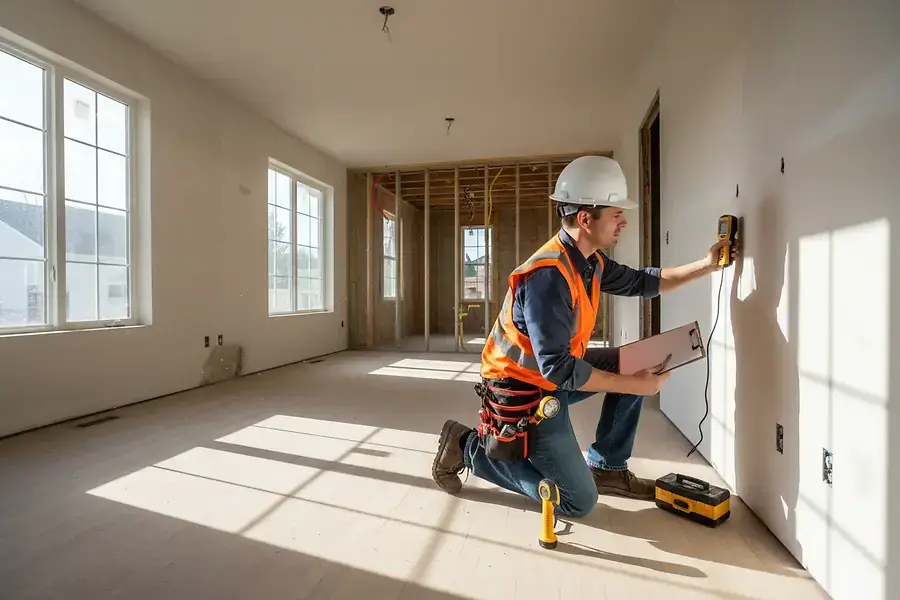
Why Home Inspections Are Essential for Protecting Your Residential Investment
Purchasing a home is one of the most significant financial decisions you'll make in your lifetime. A professional home inspection serves as your safeguard against costly surprises and hidden defects that could compromise your investment. Unlike a simple appraisal, which determines market value, a comprehensive home inspection evaluates the structural integrity, safety systems, and overall condition of the property.
Home inspectors are trained professionals who conduct thorough evaluations of residential properties, identifying potential issues before you commit to the purchase. Their detailed reports provide you with critical information that can influence your negotiating power, financing decisions, and long-term maintenance planning. Without this professional assessment, you risk inheriting expensive repairs and safety hazards that could have been discovered and addressed beforehand.
Critical Areas Inspectors Examine and Common Red Flags Homebuyers Should Know
Structural Components and Foundation
Inspectors carefully examine the foundation, walls, and overall structural integrity of the home. They look for signs of settling, cracks, water damage, and structural movement that could indicate serious problems. Foundation issues are among the most expensive repairs, so identifying them early is crucial.
Roofing and Exterior
The roof is your home's first line of defense against the elements. Inspectors assess roof condition, checking for missing shingles, leaks, proper drainage, and remaining lifespan. They also evaluate siding, windows, doors, and exterior caulking for water intrusion risks.
Plumbing Systems
A thorough plumbing inspection includes checking water pressure, drainage, pipe materials, and water heater condition. Common red flags include:
- Outdated galvanized pipes prone to corrosion
- Slow drains or evidence of previous water damage
- Aging water heaters nearing replacement
- Signs of leaks under sinks or in basements
Electrical Systems
Inspectors examine the electrical panel, wiring, outlets, and safety features. They verify that the system meets current safety standards and can handle modern electrical demands. Outdated or faulty electrical systems pose serious fire and shock hazards.
HVAC Systems
Heating, ventilation, and air conditioning systems are evaluated for proper operation, age, and maintenance history. Inspectors check filters, thermostats, and overall efficiency to estimate remaining lifespan and potential replacement costs.
Interior Conditions
Inspectors examine walls, ceilings, floors, and insulation for water damage, mold, pest infestation, and structural issues. They also check windows, doors, and interior fixtures for proper operation and safety concerns.
How to Prepare for Your Inspection and Effectively Interpret the Final Report
Before the Inspection
Preparation is key to getting the most value from your home inspection. Here's what you should do:
- Hire a qualified, licensed home inspector with relevant certifications
- Schedule the inspection after your offer is accepted but before the final walkthrough
- Plan to attend the inspection in person to ask questions and observe findings
- Request a detailed written report that includes photographs and recommendations
- Ask about the inspector's experience with homes similar to the one you're purchasing
During the Inspection
Attend the inspection and take notes on areas of concern. Ask the inspector to explain findings in detail and clarify which issues are cosmetic versus structural. Understanding the severity and urgency of problems helps you prioritize repairs and negotiate effectively.
Interpreting the Report
Home inspection reports typically categorize findings by severity. Common categories include:
- Critical Issues: Safety hazards requiring immediate attention
- Major Concerns: Significant defects affecting home value or function
- Minor Issues: Cosmetic problems or routine maintenance needs
- Recommendations: Suggested improvements or professional evaluations
Don't panic if the report identifies issues—most homes have some defects. Focus on understanding which problems are deal-breakers and which can be negotiated or addressed after purchase.
Using Inspection Results for Negotiation
Armed with inspection findings, you have several options:
- Request the seller make repairs before closing
- Negotiate a price reduction to cover repair costs
- Ask for a credit at closing for specific repairs
- Request the seller provide repair estimates for major issues
Professional inspection reports provide objective documentation that strengthens your negotiating position and protects your financial interests.
Leveraging Inspection Results to Negotiate Terms and Close with Confidence
The inspection report is your roadmap to making an informed decision. Use it strategically to protect yourself financially and ensure you're purchasing a safe, sound property. If significant issues are discovered, you may have grounds to renegotiate the purchase price or request repairs.
Work closely with your real estate agent and attorney to understand your options based on the inspection findings and your state's real estate laws. Some issues may be deal-breakers, while others are manageable with proper planning and budgeting.
Remember: A home inspection is an investment in peace of mind. The cost of a thorough inspection is minimal compared to the potential savings from identifying major problems before purchase. By understanding what inspectors evaluate and how to interpret their findings, you're taking control of one of life's most important financial decisions.
Close your purchase with confidence, knowing you've done your due diligence and made an informed choice about your new home.