Understanding Home Inspections: A Complete Guide for Rochester Homebuyers
Discover what professional inspectors evaluate and how to protect your investment when buying in Rochester, Michigan.

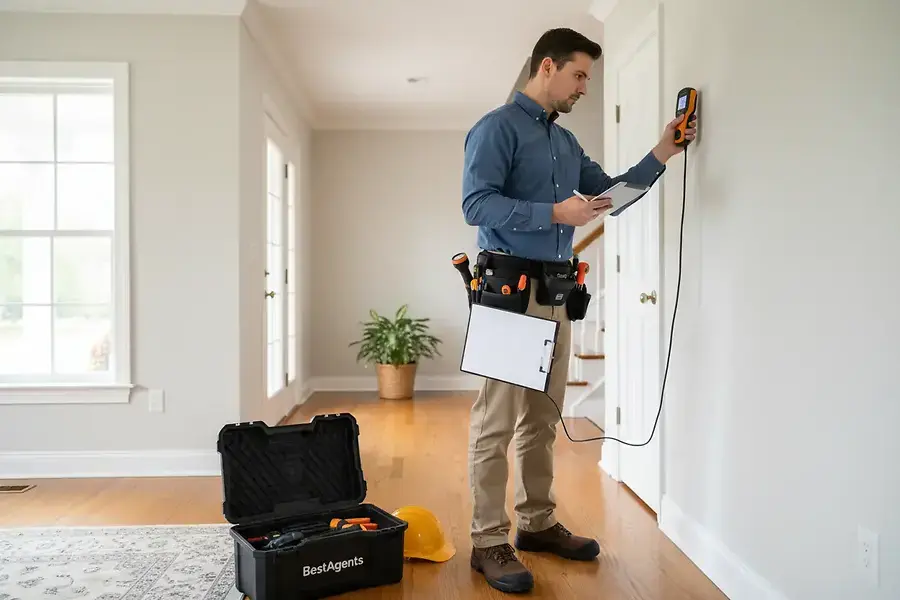
Why Home Inspections Are Critical for Rochester Buyers
Purchasing a home is one of the most significant financial decisions you'll make in your lifetime. For Rochester homebuyers, a professional home inspection is not just a formality—it's a crucial safeguard that can save you thousands of dollars in unexpected repairs and provide peace of mind about your investment.
A home inspection is an objective, third-party evaluation of a property's physical condition. Unlike appraisals, which focus on market value, inspections examine the actual structural integrity and functionality of systems throughout the home. In Michigan's climate, where homes face unique challenges from freeze-thaw cycles and seasonal weather variations, a thorough inspection becomes even more essential.
Without a professional inspection, you could inherit serious problems such as hidden water damage, faulty electrical systems, or failing HVAC equipment. These issues can cost tens of thousands of dollars to repair and may pose safety risks to your family.
What Professional Inspectors Look For in Michigan Residential Properties
Structural Components and Foundation
Inspectors begin by evaluating the home's foundation and structural integrity. They look for:
- Cracks in the foundation or basement walls
- Signs of settling or shifting
- Water intrusion or moisture problems
- Proper grading around the foundation
Michigan homes are particularly vulnerable to foundation issues due to the region's clay-heavy soil and freeze-thaw cycles. A qualified inspector will assess whether any issues require immediate attention or monitoring.
Roofing and Exterior Systems
The roof is your home's first line of defense against Michigan's harsh winters and spring rains. Inspectors evaluate:
- Roof age and remaining lifespan
- Shingle condition and potential leaks
- Flashing around chimneys and vents
- Gutters and downspout functionality
- Siding condition and water damage
- Windows and door seals
A roof replacement can easily exceed $10,000, making this assessment critical for your budget planning.
Plumbing Systems
Water-related issues are among the most expensive problems homeowners face. Inspectors check:
- Water pressure and flow rates
- Pipe material and age (galvanized, copper, or PEX)
- Signs of leaks or corrosion
- Water heater condition and capacity
- Sump pump functionality
- Septic systems (if applicable)
Older Rochester homes may have outdated plumbing that requires updating, which is important to understand before purchase.
Electrical Systems
A safe electrical system is non-negotiable. Professional inspectors examine:
- Panel capacity and condition
- Grounding and bonding
- Outlet and switch functionality
- Presence of GFCI protection in wet areas
- Aluminum wiring (a concern in some older homes)
Electrical issues can pose fire hazards, making this one of the most important inspection components.
HVAC and Climate Control
Heating and cooling systems are essential in Michigan's climate. Inspectors assess:
- Furnace age and operational efficiency
- Air conditioning unit condition
- Ductwork integrity
- Thermostat functionality
- Insulation levels in attic and walls
Interior Components
Inspectors also evaluate interior elements including walls, ceilings, floors, doors, and windows for damage, functionality, and safety concerns. They'll check for signs of pest infestation, mold, or water damage that might indicate larger problems.
Interpreting Your Inspection Report and Negotiating Repairs
Understanding the Report
A comprehensive inspection report typically categorizes findings into three levels:
- Safety Issues: Problems that pose immediate danger and require urgent attention
- Major Repairs: Significant issues affecting home systems that need addressing soon
- Minor Issues: Small repairs or maintenance items that don't affect safety or functionality
Your inspector should explain findings clearly, often with photos and detailed descriptions. Don't hesitate to ask questions—a good inspector will help you understand what each finding means for your home.
Negotiation Strategies
Once you have your inspection report, you have several options:
- Request repairs: Ask the seller to fix major issues before closing
- Request credits: Negotiate a reduction in purchase price to cover repair costs
- Request inspections: Ask for specialized inspections on specific systems (roof, foundation, etc.)
- Walk away: If issues are too extensive, you may choose to cancel the purchase
Remember: You typically have a limited inspection period (often 10-14 days) to conduct inspections and make decisions. Act promptly to protect your interests.
Getting Repair Estimates
For significant issues, consider obtaining independent repair estimates from licensed contractors. This gives you concrete numbers for negotiations and helps you understand the true cost of addressing problems. Don't rely solely on the inspector's estimates—actual repair costs can vary based on contractor and specific circumstances.
Making Informed Decisions Before Closing
A home inspection is an investment in knowledge. The few hundred dollars spent on a professional inspection can prevent you from purchasing a property with serious, costly problems. In Rochester's competitive real estate market, being informed gives you negotiating power and confidence in your decision.
Use your inspection report as a tool to understand the property's true condition, plan for future maintenance, and make an informed offer. Whether you're a first-time homebuyer or an experienced investor, a thorough home inspection is your best protection against costly surprises.
Before you close on your Rochester home, ensure you've had a professional inspection and fully understand what you're purchasing. Your future self will thank you for the diligence.


