Understanding Home Inspections: A San Antonio Buyer's Complete Guide
Learn what to expect during inspections and how to protect your investment when buying residential or commercial property in San Antonio.

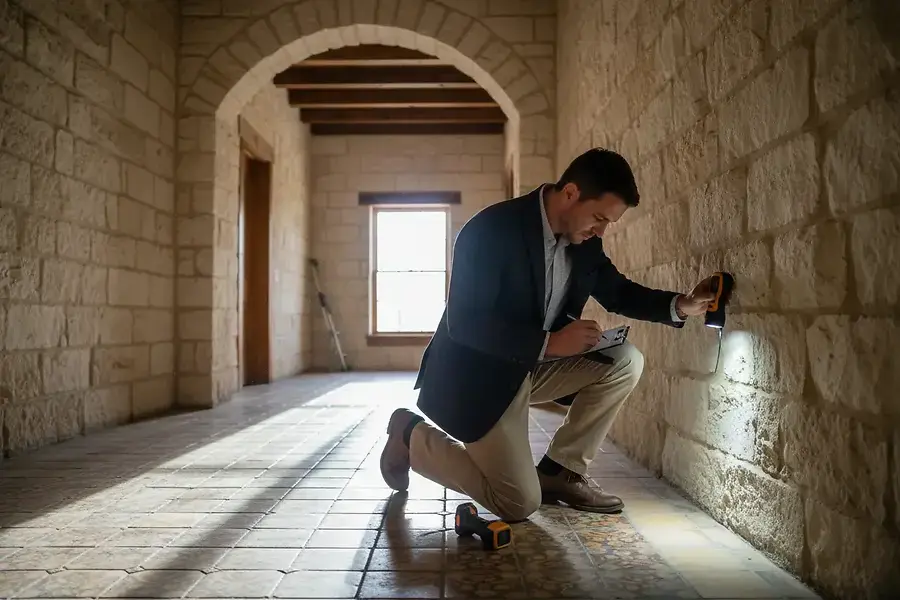
Why Professional Home Inspections Are Critical in San Antonio
Purchasing a home or commercial property is one of the most significant financial decisions you'll make. In San Antonio's competitive real estate market, a professional home inspection serves as your first line of defense against costly surprises after closing. Whether you're a first-time buyer or an experienced investor, understanding the inspection process is essential to protecting your investment.
San Antonio's unique climate and building characteristics mean that properties face specific challenges. From the intense heat and humidity to the region's limestone foundation issues, local properties require specialized knowledge. A qualified home inspector familiar with San Antonio properties can identify problems that might be overlooked by someone unfamiliar with the area's construction patterns and environmental factors.
An inspection report provides you with detailed documentation of a property's condition, giving you leverage in negotiations and peace of mind before making your final purchase decision.
The Complete Home Inspection Process: What Buyers and Sellers Need to Know
What Happens During a Home Inspection
A standard home inspection typically lasts between two to four hours, depending on the property's size and age. The inspector will systematically examine the home's major systems and components, including:
- Structural integrity and foundation
- Roofing and exterior walls
- Plumbing systems and water quality
- Electrical systems and safety
- HVAC systems and air conditioning
- Insulation and ventilation
- Interior walls, ceilings, and floors
- Appliances and fixtures
As a buyer, you have the right to be present during the inspection. Many inspectors encourage this, as it allows you to ask questions and learn about your potential property firsthand. Take notes, ask about any concerns, and request clarification on technical issues you don't understand.
Understanding the Inspection Report
After the inspection, you'll receive a detailed report documenting the inspector's findings. Reports typically categorize issues by severity:
- Critical Issues: Problems that pose safety risks or require immediate attention
- Major Issues: Significant defects that may be expensive to repair
- Minor Issues: Small problems that don't affect the property's functionality
- Maintenance Recommendations: Suggestions for ongoing care and upkeep
Use this report as a negotiation tool. If significant issues are discovered, you can request repairs, credits toward closing costs, or a price reduction before finalizing your purchase.
Inspection Contingencies and Timelines
Most purchase agreements include an inspection contingency period, typically 7-10 days, during which you can have the property inspected. This period is crucial—it's your opportunity to back out of the deal or renegotiate terms if serious problems are discovered. Don't waive this contingency without careful consideration, as it's your primary protection as a buyer.
Common Issues Found in San Antonio Properties and How to Address Them
Foundation and Structural Problems
San Antonio's expansive clay soil can cause foundation settling and cracking. Inspectors look for signs of foundation movement, including cracks in walls, uneven floors, and doors that don't close properly. While minor cracks are normal, significant structural issues can be expensive to repair and may require professional foundation repair services.
Roof and Water Damage
The Texas sun is harsh on roofing materials. Inspectors check for missing shingles, deterioration, and signs of leaks. Water damage in attics and ceilings is common in older San Antonio homes. Addressing roof issues promptly prevents more costly interior damage down the road.
HVAC System Concerns
Air conditioning systems work overtime in San Antonio's climate. Inspectors evaluate the age, efficiency, and condition of HVAC systems. Units older than 15 years may need replacement soon, which is an important factor in your purchasing decision and budget planning.
Plumbing and Water Quality Issues
Hard water is prevalent in San Antonio, leading to mineral buildup in pipes and fixtures. Inspectors check for leaks, water pressure problems, and the condition of water heaters. Some older homes may have outdated plumbing that could require upgrades for safety and efficiency.
Pest and Termite Damage
San Antonio's warm climate attracts termites and other pests. While a standard home inspection includes a visual check for pest damage, you may want to request a separate termite inspection. Evidence of past or present infestations can indicate structural damage requiring professional treatment.
Electrical System Safety
Older homes may have outdated electrical systems that don't meet current safety codes. Inspectors look for adequate grounding, proper circuit breaker function, and sufficient outlets. Upgrading electrical systems can be costly but is essential for safety and modern appliance compatibility.
Using Inspection Results to Make Confident Real Estate Decisions
After receiving your inspection report, take time to review it thoroughly. Don't panic about minor issues—every home has them. Instead, focus on significant problems that affect safety, functionality, or value.
Consider these steps:
- Prioritize repairs by safety and cost impact
- Obtain repair estimates from licensed contractors
- Decide whether to request repairs, credits, or renegotiate the price
- Have a professional evaluate any major concerns before finalizing your decision
- Plan for future maintenance based on the inspector's recommendations
Remember, no property is perfect. The inspection process is designed to give you complete information so you can make an informed decision. Whether you're buying a charming historic home in the Southtown district or a modern property in the suburbs, understanding what the inspection reveals helps you move forward with confidence.
By taking home inspections seriously and using the results strategically, San Antonio buyers can protect their investments and avoid costly surprises after closing. Work with experienced real estate professionals who understand the local market and can help you navigate inspection findings effectively.


