Understanding Home Inspections: A Wasilla Buyer's Complete Guide
Discover the essential inspection checklist that protects your investment and reveals hidden issues before closing.

Introduction: Why Professional Home Inspections Matter in Wasilla
Purchasing a home is one of the most significant financial decisions you'll make in your lifetime. In Wasilla, where Alaska's unique climate and environmental conditions create specific challenges for homeowners, a professional home inspection becomes even more critical. A thorough inspection protects your investment by identifying potential issues before you sign the final papers, potentially saving you thousands of dollars in unexpected repairs.
Many first-time buyers underestimate the importance of this step, viewing it as an optional expense. However, a comprehensive inspection provides peace of mind and valuable negotiating power. Whether you're buying a newly constructed home or an older property, understanding what inspectors examine and what they find can make the difference between a smart purchase and a costly mistake.
Key Areas Inspectors Examine in Alaska's Climate
Foundation and Structural Integrity
Alaska's freeze-thaw cycles and permafrost conditions make foundation inspection particularly crucial in Wasilla. Inspectors carefully examine foundations for cracks, settling, and signs of frost heave—a condition where frozen ground expands and pushes against the foundation. They assess whether the home was built with proper pilings or insulation to prevent these issues.
Roofing and Weather Protection
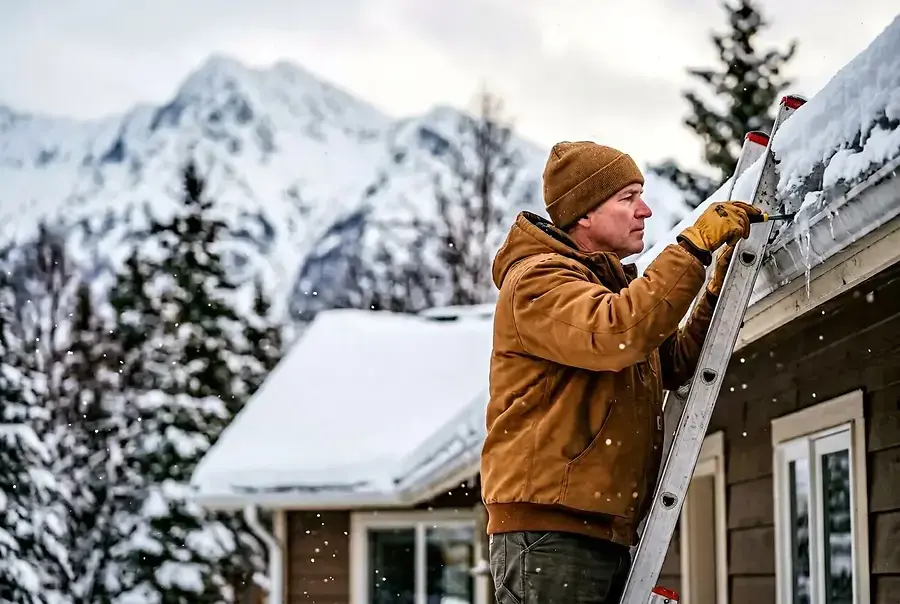
Heavy snow loads and extreme weather are standard in Wasilla. Inspectors evaluate roof condition, checking for:
- Proper slope and drainage to prevent ice dams
- Quality of roofing materials suited for Alaska's climate
- Adequate ventilation to prevent moisture buildup
- Flashing around chimneys and vents
- Signs of previous damage or repairs
Insulation and Energy Efficiency
With heating costs being a major expense in Alaska, inspectors assess insulation levels in attics, walls, and crawl spaces. They look for proper air sealing and ventilation to prevent moisture problems while maintaining energy efficiency. This is especially important given Wasilla's long, cold winters.
Plumbing Systems
Frozen pipes are a common concern in Wasilla homes. Inspectors examine how pipes are protected and insulated, check for proper drainage, and assess water pressure and quality. They also verify that the home has adequate protection against freezing in vulnerable areas.
Heating Systems
The heating system is critical in Alaska. Inspectors test furnaces, boilers, and heat pumps to ensure they're functioning properly and sized appropriately for the climate. They also check for proper ventilation of combustion gases and carbon monoxide safety.
Electrical Systems
Inspectors verify that electrical systems meet current codes and can handle the home's power demands. They check for proper grounding, adequate outlets, and any signs of outdated or unsafe wiring that might need upgrading.
Common Issues Found in Wasilla Homes and How to Address Them
Ice Dams and Water Damage
Ice dams form when warm air from inside melts snow on the roof, which then refreezes at the eaves. This can cause water to back up under shingles and leak into the home. Solution: Improve attic insulation and ventilation, install heat cables, or use ice dam prevention systems. Budget $500-$2,000 for remediation depending on severity.
Moisture and Mold Issues
Alaska's humidity and temperature fluctuations create ideal conditions for moisture problems. Inspectors often find mold in basements, crawl spaces, and around windows. Solution: Install proper vapor barriers, improve ventilation, use dehumidifiers, and seal air leaks. Costs vary widely depending on the extent of the problem.
Outdated Heating Systems
Older homes may have inefficient heating systems that are expensive to operate. Solution: Consider upgrading to modern, efficient systems. While initial costs are significant ($3,000-$8,000), long-term energy savings often justify the investment.
Permafrost-Related Foundation Issues
Some older Wasilla homes weren't built with proper permafrost considerations. Signs include uneven floors, cracked walls, or doors that don't close properly. Solution: Have a structural engineer assess the severity. Minor issues may require monitoring, while serious problems might need professional foundation repair ($5,000-$25,000+).
Inadequate Insulation
Many homes, especially older ones, lack sufficient insulation for Alaska's climate. Solution: Add insulation to attics, walls, and crawl spaces. This is one of the best investments for reducing heating costs and improving comfort.
Pipe Freezing and Burst Pipes
Unprotected pipes in exterior walls or unheated spaces can freeze and burst. Solution: Insulate vulnerable pipes, maintain consistent heating, or install heat tape. Prevention is far cheaper than dealing with water damage from burst pipes.
Conclusion: Using Inspection Results to Negotiate and Protect Your Purchase
Once you receive the inspection report, you have several options. Use the findings to negotiate: Request that the seller make repairs before closing, ask for a credit toward repairs you'll handle yourself, or renegotiate the purchase price based on the cost of necessary fixes.
Don't ignore minor issues—they often compound over time in Alaska's harsh climate. A small roof leak or inadequate insulation can become expensive problems if left unaddressed. Conversely, some issues may be cosmetic and not worth negotiating over.
Work with your real estate agent and inspector to prioritize concerns. Focus on structural issues, safety problems, and systems that are critical to the home's functionality in Wasilla's climate. Understanding the inspection report empowers you to make informed decisions and protects your investment for years to come.
A professional home inspection is your best defense against hidden problems and unexpected expenses. In Wasilla's unique environment, it's not just recommended—it's essential.


