Understanding Home Inspections: Essential Knowledge for Residential Buyers
Discover critical inspection points that protect your investment and reveal hidden property issues before you commit.

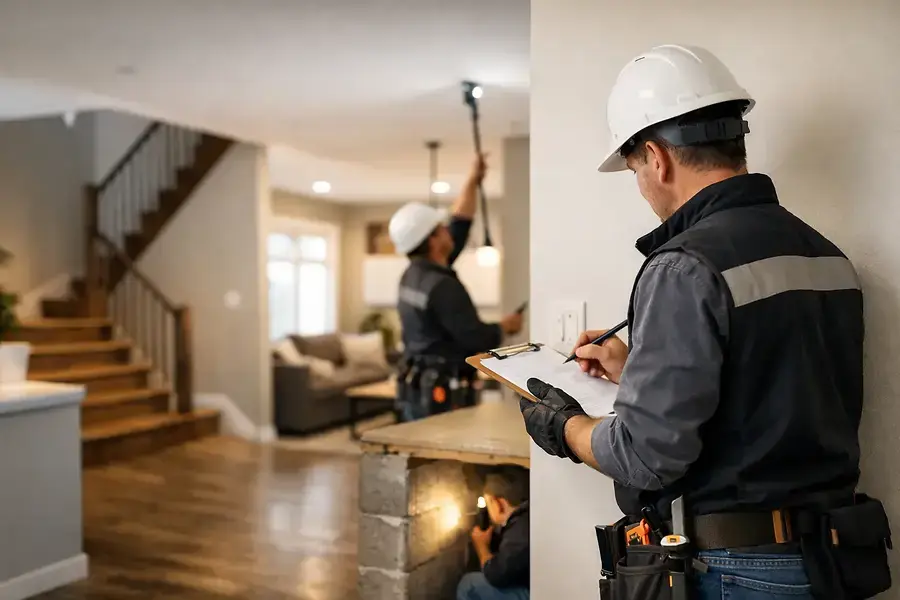
Why Home Inspections Matter for Residential Buyers
Purchasing a home is one of the most significant financial decisions you'll make in your lifetime. A professional home inspection serves as your safeguard against costly surprises and hidden defects that could compromise your investment. Unlike a simple walkthrough, a comprehensive home inspection provides an objective assessment of a property's condition, identifying issues that may not be immediately visible to the untrained eye.
Home inspections are crucial because they empower you with knowledge. They reveal structural problems, safety hazards, and maintenance issues that could cost thousands of dollars to repair. By understanding what inspectors look for and how to interpret their findings, you can negotiate better terms, request repairs, or make an informed decision about whether to proceed with your purchase.
Key Areas Professional Inspectors Evaluate
Structural Components and Foundation
Professional inspectors begin by examining the foundation and structural integrity of the home. They look for cracks, settling, water damage, and signs of foundation movement. The basement or crawl space is inspected for moisture issues, mold, and structural damage. A compromised foundation can lead to serious structural problems and expensive repairs, making this one of the most critical areas of inspection.
Roofing and Exterior
The roof is your home's first line of defense against the elements. Inspectors assess the roof's age, condition, and remaining lifespan. They examine:
- Shingles for damage, curling, or missing pieces
- Flashing around chimneys and vents
- Gutters and downspouts for proper drainage
- Exterior walls for rot, damage, or water intrusion
- Windows and doors for proper sealing and operation
Plumbing Systems
A thorough plumbing inspection checks water pressure, drainage, and the condition of pipes. Inspectors test all fixtures, look for leaks, and assess the water heater's age and condition. Outdated plumbing systems or hidden leaks can lead to water damage and mold growth, making this evaluation essential for your peace of mind.
Electrical Systems
Electrical safety is paramount. Inspectors examine the main electrical panel, check for proper grounding, and test outlets throughout the home. They identify outdated wiring, insufficient capacity, and potential fire hazards. Homes with aluminum wiring or knob-and-tube wiring may require upgrades for safety and insurance purposes.
HVAC and Climate Control
The heating, ventilation, and air conditioning systems are evaluated for proper operation and maintenance. Inspectors assess the age of furnaces and air conditioning units, check refrigerant levels, and examine ductwork for leaks or damage. Understanding the condition of these systems helps you budget for future replacements.
Interior Components
Inspectors examine walls, ceilings, and floors for water damage, cracks, or structural issues. They check doors, windows, and built-in appliances for proper function. The attic is inspected for ventilation, insulation, and signs of pests or water intrusion.
Red Flags and How to Interpret Inspection Reports
Understanding Report Categories
Professional inspection reports typically categorize findings into three levels:
- Safety Issues: Problems that pose immediate danger and require urgent attention
- Major Repairs: Significant defects that will need repair or replacement soon
- Minor Issues: Small problems that can be addressed during routine maintenance
Critical Red Flags to Watch For
Certain findings should raise serious concerns:
- Foundation cracks or settling – Can indicate structural problems requiring expensive repairs
- Roof damage or age – Replacement costs can exceed $10,000 or more
- Water damage or mold – Suggests moisture intrusion and potential health hazards
- Outdated electrical systems – May require complete rewiring for safety
- Plumbing issues – Corroded pipes or improper venting can lead to costly repairs
- HVAC system failure – Replacement can be a significant expense
- Pest infestation – Termites or rodents can cause structural damage
Interpreting Severity and Next Steps
Don't panic if the inspection report identifies issues.
Most homes have some defects – it's the nature and severity of those defects that matter.Use the report as a negotiation tool. You can request that the seller make repairs, provide credits for repairs you'll handle, or renegotiate the purchase price based on the findings.
For major issues, consider obtaining a specialist's evaluation. A structural engineer can assess foundation concerns, a roofer can evaluate roof conditions, and a plumber can provide detailed estimates for plumbing work. These secondary inspections provide clarity and help you make informed decisions.
Using Inspection Insights to Make Confident Purchase Decisions
A comprehensive home inspection transforms you from a passive buyer into an informed decision-maker. Armed with detailed knowledge about the property's condition, you can:
- Negotiate repairs or credits with the seller
- Budget for future maintenance and repairs
- Identify safety hazards that need immediate attention
- Understand the true value of the property
- Make a confident decision about your purchase
Remember that no home is perfect. The goal of a home inspection isn't to find a flawless property – it's to understand what you're buying and to ensure there are no deal-breaking issues or hidden dangers. By taking the inspection process seriously and thoroughly reviewing the report, you protect your investment and set yourself up for a successful homeownership experience.
Whether you're a first-time buyer or an experienced investor, a professional home inspection is an investment in your peace of mind. It's the difference between buying a house and buying a home you can trust.


