Understanding Home Inspections for Maryland Residential Buyers
Protect your investment by understanding what inspectors look for in Upper Marlboro, Glen Burnie, and Frederick homes.

Why Home Inspections Matter in Maryland's Residential Market
Purchasing a home is one of the most significant financial decisions you'll make in your lifetime. In Maryland's competitive residential market, a professional home inspection serves as your safeguard against costly surprises after closing. Whether you're buying in Upper Marlboro, Glen Burnie, Frederick, or anywhere else in the state, understanding what inspectors look for can help you make informed decisions and negotiate effectively.
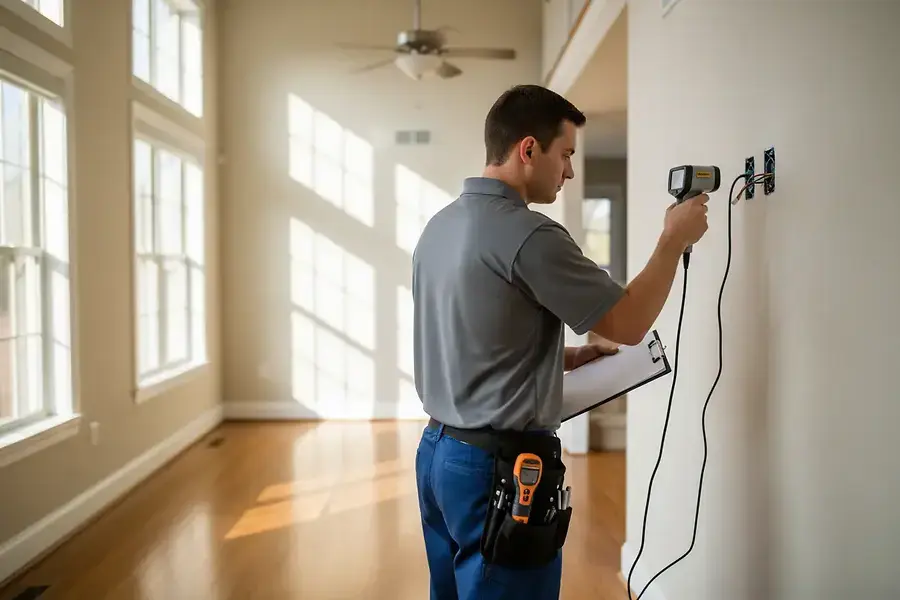
A home inspection is a thorough examination of a property's physical structure and systems, conducted by a licensed professional. This process typically takes two to three hours and provides you with a detailed report of the home's condition. Rather than relying solely on the seller's disclosures or your own observations, a professional inspector brings expertise, specialized equipment, and an objective perspective to identify potential issues.
Why should you invest in a home inspection? The answer is simple: it protects your investment. Inspections can uncover hidden problems that could cost thousands to repair, from structural issues to failing HVAC systems. In Maryland's climate, where homes face unique challenges from humidity, seasonal temperature fluctuations, and aging infrastructure, a thorough inspection is invaluable.
Key Areas Inspectors Examine in Maryland Homes
Structural Components
Inspectors begin by evaluating the home's foundation, walls, and overall structural integrity. They look for cracks, settling, water damage, and signs of pest infestation. Maryland homes, particularly older properties, may show signs of foundation movement due to soil composition and moisture levels in the region.
Roofing and Exterior
The roof is your home's first line of defense against Maryland's weather patterns. Inspectors examine shingles, flashing, gutters, and drainage systems. They assess the roof's age and remaining lifespan, which is crucial information for budgeting future repairs. Exterior walls, windows, doors, and siding are also evaluated for weathering and water intrusion risks.
HVAC Systems
Heating, ventilation, and air conditioning systems are critical in Maryland's variable climate. Inspectors test furnaces, air conditioners, and heat pumps to ensure they operate efficiently. They check for proper maintenance, age of equipment, and any signs of malfunction. Given Maryland's hot, humid summers and cold winters, a functioning HVAC system is essential.
Plumbing and Water Systems
Inspectors examine water supply lines, drainage systems, and fixtures throughout the home. They test water pressure, check for leaks, and assess the condition of pipes. In older Maryland homes, galvanized pipes or outdated plumbing may be flagged as potential concerns requiring future replacement.
Electrical Systems
The electrical panel, wiring, outlets, and switches are thoroughly inspected for safety and code compliance. Inspectors look for outdated systems, improper installations, or fire hazards. This is particularly important in older homes that may have outdated electrical infrastructure.
Interior Components
Inspectors evaluate walls, ceilings, floors, doors, and windows for damage or defects. They check for water stains, mold, pest damage, and structural issues. Kitchens and bathrooms receive special attention due to their complexity and the potential for water damage.
Common Issues Found in Upper Marlboro, Glen Burnie, and Frederick Properties
Upper Marlboro Homes
Upper Marlboro properties often feature older construction, which means inspectors frequently discover issues related to aging systems. Common findings include outdated electrical panels, aging roofs, and foundation concerns. The area's clay-heavy soil can contribute to foundation settling and moisture problems in basements.
Glen Burnie Properties
Glen Burnie homes, many built in the mid-20th century, often present challenges with moisture management and aging infrastructure. Inspectors commonly identify roof deterioration, HVAC system failures, and plumbing issues. The proximity to the Chesapeake Bay region means humidity-related concerns are particularly prevalent.
Frederick Area Homes
Frederick's mix of historic and newer properties means inspection findings vary widely. Older homes may have structural concerns, while newer constructions might have builder-related defects. Water intrusion, inadequate drainage, and HVAC efficiency issues are frequently documented in inspection reports throughout the Frederick area.
Regional Concerns
Across all three areas, inspectors commonly identify:
- Water damage and moisture issues: Maryland's humid climate makes water intrusion a persistent concern
- Roof problems: Age and weather exposure lead to frequent roof-related findings
- HVAC inefficiency: Aging systems struggle with Maryland's temperature extremes
- Basement moisture: Poor drainage and grading contribute to basement water problems
- Outdated systems: Older homes may have electrical, plumbing, or heating systems requiring updates
Using Inspection Reports to Make Confident Offers
Once you receive your inspection report, you have several options. First, review the findings carefully and discuss them with your real estate agent. Understand which issues are cosmetic versus structural, and which require immediate attention versus future maintenance.
Negotiate repairs or credits: Use the inspection report as a negotiating tool. You can request that the seller repair significant issues, provide credits toward repairs, or adjust the purchase price accordingly. In Maryland's market, sellers often prefer credits to repairs, allowing you to choose your own contractors.
Prioritize your concerns: Not every finding requires action. Some items are normal wear and tear, while others represent genuine safety or structural concerns. Work with your inspector and agent to distinguish between the two.
Plan for future maintenance: Even if you don't negotiate repairs for minor issues, the inspection report provides a roadmap for future maintenance and budgeting. Understanding your home's condition helps you plan for necessary updates and repairs.
Walk away if necessary: If the inspection reveals major structural problems, significant system failures, or extensive damage, you may decide the property isn't worth the investment. This is precisely why inspections matter—they give you the information needed to make this critical decision.
A home inspection is not just a formality; it's a crucial step in the home-buying process that protects your financial investment and gives you peace of mind. Whether you're purchasing in Upper Marlboro, Glen Burnie, Frederick, or elsewhere in Maryland, understanding what inspectors examine and what common issues exist in your area empowers you to make confident, informed decisions. Don't skip this essential step—your future home depends on it.