Understanding Home Inspections in Chesapeake: A Buyer's Complete Guide
Learn what to expect during a home inspection and how to protect your investment in Chesapeake.

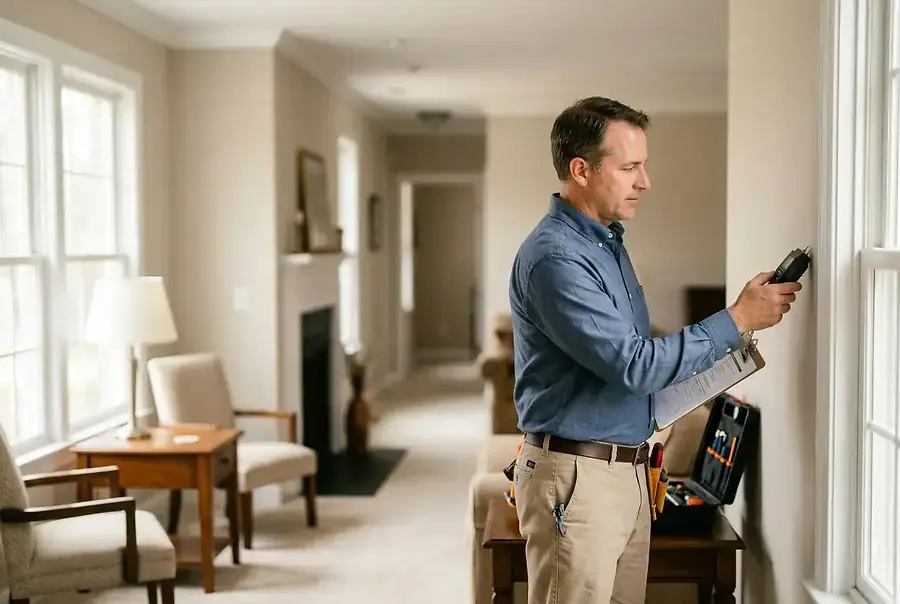
What Happens During a Professional Home Inspection
A professional home inspection is one of the most critical steps in the home-buying process. During this thorough examination, a certified inspector will evaluate the structural integrity, mechanical systems, and overall condition of the property. Understanding what happens during this process can help you feel more confident and prepared.
The inspection typically lasts between two to three hours, depending on the size and age of the home. The inspector will examine both the interior and exterior of the property, including:
- Foundation and structural components – checking for cracks, settling, or water damage
- Roofing systems – assessing shingles, flashing, and overall condition
- Plumbing and water systems – testing fixtures and checking for leaks
- Electrical systems – verifying safety and proper installation
- HVAC systems – evaluating heating and cooling efficiency
- Insulation and ventilation – ensuring proper climate control
- Windows and doors – checking for proper sealing and operation
As a buyer, you have the right to be present during the inspection. Many inspectors encourage this, as it gives you the opportunity to ask questions and learn about the home's systems firsthand.
Common Issues Found in Chesapeake Homes and How to Address Them
Chesapeake's unique climate and geography create specific challenges for homeowners. Being aware of common issues in the area can help you understand what to look for during your inspection.
Water Damage and Moisture Issues
The humid climate near the Chesapeake Bay makes moisture problems particularly common. Inspectors frequently find water stains in basements, crawl spaces, and attics. Address this by ensuring proper drainage around the foundation, maintaining gutters and downspouts, and installing a dehumidifier if necessary.
Roof Deterioration
The combination of salt air, humidity, and temperature fluctuations can accelerate roof aging. Regular inspections and timely repairs can extend your roof's lifespan and prevent costly water damage.
Foundation Concerns
Chesapeake's soil composition can lead to foundation settling or shifting. Small cracks are often normal, but larger fissures may require professional evaluation and repair. Your inspector will document any concerns for further assessment.
HVAC System Strain
The region's hot, humid summers place significant demand on air conditioning systems. Ensure your HVAC system is properly maintained and sized for your home's needs.
Preparing for Your Inspection Appointment
Proper preparation can make your inspection more productive and efficient. Here are essential steps to take before your inspector arrives:
Clear Access Points
Make sure the inspector can easily access all areas of the home, including:
- Attic spaces and crawl spaces
- Basement or foundation areas
- Exterior walls and roof access
- Electrical panel and water heater locations
- HVAC equipment and ductwork
Gather Documentation
Collect any available records related to the home's maintenance and repairs, including:
- Previous inspection reports
- Repair receipts and warranties
- HVAC service records
- Roof replacement documentation
- Permits for renovations or additions
Make a List of Questions
Write down any concerns or questions you have about the property. This ensures you won't forget important items during the inspection.
Plan Your Schedule
Arrange to be present during the entire inspection. This allows you to observe the process, ask questions, and gain valuable knowledge about your potential investment.
Using Your Inspection Report to Make Informed Decisions
After the inspection is complete, you'll receive a detailed report documenting all findings. Understanding how to interpret this report is crucial for making your final decision.
Understanding the Report Structure
Most inspection reports categorize findings by severity level:
- Critical Issues – problems that pose safety risks or require immediate attention
- Major Issues – significant defects that may be expensive to repair
- Minor Issues – small problems that can be addressed during routine maintenance
Prioritizing Repairs
Not every issue requires renegotiation. Focus on critical and major items that affect safety, functionality, or structural integrity. Minor cosmetic issues are typically the buyer's responsibility after closing.
Getting Estimates
For significant issues, obtain repair estimates from licensed contractors. This information strengthens your negotiating position and helps you understand the true cost of addressing problems.
Making Your Decision
Remember: A home inspection is not a pass-or-fail test. Every home has some issues. The goal is to identify problems, understand their severity, and make an informed decision about whether the property is right for you.
Use the inspection report as a negotiating tool. You can request that the seller make repairs, provide credits toward closing costs, or adjust the purchase price to account for necessary work.
A thorough home inspection protects your investment and gives you peace of mind. By understanding the process, preparing properly, and carefully reviewing the results, you'll be well-equipped to make the best decision for your Chesapeake home purchase.