Understanding Home Inspections in North Idaho's Residential Markets
A practical guide to navigating the inspection process and protecting your investment in Coeur d'Alene, Hayden, Post Falls, and Kellogg.

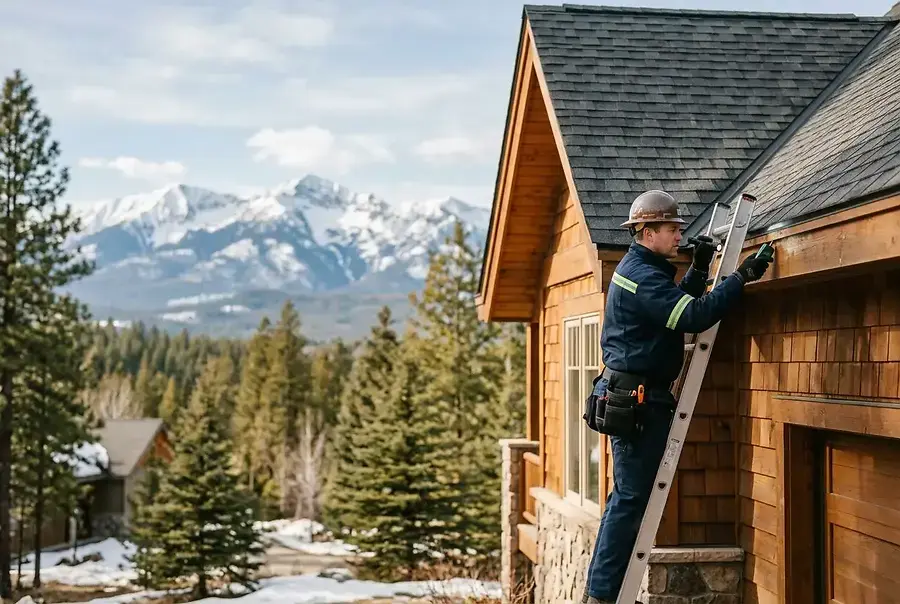
Why Home Inspections Matter for North Idaho Buyers
Purchasing a home is one of the most significant investments you'll make in your lifetime. In North Idaho's competitive residential markets—from the scenic shores of Coeur d'Alene to the growing communities of Hayden, Post Falls, and Kellogg—a professional home inspection serves as your financial safeguard and peace of mind.
A home inspection is an objective, third-party evaluation of a property's physical condition. Rather than relying solely on the seller's disclosures or your own observations, a certified inspector provides a comprehensive assessment that can reveal hidden issues before you commit to the purchase. This is especially important in North Idaho, where homes range from historic properties to newer constructions, each with unique considerations.
Why should you prioritize inspections? The answer is simple: knowledge is power. An inspection report can uncover costly repairs, safety hazards, or maintenance issues that might not be apparent during a casual walkthrough. Whether you're buying your first home or your fifth, an inspection protects your investment and helps you negotiate fairly.
What Professional Inspectors Evaluate in North Idaho Homes
Structural and Foundation Concerns
North Idaho's climate and terrain present unique challenges for home structures. Inspectors carefully examine foundations for cracks, settling, or water damage—issues that are particularly relevant given the region's freeze-thaw cycles and moisture patterns. They assess the integrity of walls, floors, and roofing systems to ensure your home can withstand North Idaho winters.
Roofing and Weather Protection
Your roof is your home's first line of defense against the elements. Inspectors evaluate:
- Shingle condition and remaining lifespan
- Proper ventilation and attic conditions
- Flashing around chimneys and vents
- Signs of leaks or water damage
In North Idaho, where snow loads can be substantial, roof condition is critical to your home's longevity and safety.
Plumbing and Water Systems
Inspectors test water pressure, check for leaks, and evaluate the age and condition of pipes. They also assess septic systems or municipal water connections—important considerations in areas like Kellogg and Post Falls where both systems are common. Hard water issues, common in North Idaho, may also be noted.
Electrical Systems
A thorough electrical inspection ensures your home meets current safety codes. Inspectors examine the main panel, wiring, outlets, and grounding systems. Older homes in Coeur d'Alene and surrounding areas may have outdated electrical systems that require upgrades.
Heating and Cooling Systems
Given North Idaho's cold winters, heating system functionality is paramount. Inspectors evaluate furnaces, heat pumps, and other heating equipment for proper operation and safety. They also check air conditioning systems and ductwork efficiency.
Interior Components
Professional inspectors don't overlook the details. They examine:
- Windows and doors for proper sealing and operation
- Insulation levels and energy efficiency
- Interior walls and ceilings for damage or moisture
- Appliances included in the sale
- Flooring conditions
How to Prepare for Your Inspection and Interpret the Results
Before the Inspection
Preparation is key to getting the most value from your inspection. Attend the inspection in person whenever possible. This allows you to ask questions, learn about the home's systems, and understand the inspector's findings firsthand.
Before the inspector arrives, ensure they have clear access to all areas of the home, including the attic, basement, crawl spaces, and exterior. Remove obstacles and make sure utilities are functioning so the inspector can test systems thoroughly.
Understanding Your Inspection Report
A comprehensive inspection report will categorize findings into several levels of concern:
- Safety Issues: Problems that pose immediate risk to occupants
- Major Repairs: Significant issues requiring professional attention
- Minor Repairs: Small fixes that don't affect functionality
- Maintenance Recommendations: Suggestions for ongoing care
Don't panic if your report includes multiple items. Most homes have some issues. The key is understanding which items are deal-breakers and which are manageable.
Negotiating Based on Inspection Findings
Once you have your inspection report, you have several options:
- Request repairs: Ask the seller to fix critical issues before closing
- Negotiate credits: Request a price reduction to cover repair costs
- Walk away: If major issues exceed your comfort level or budget
- Accept as-is: If issues are minor and you're comfortable with the condition
In North Idaho's residential markets, where inventory can be competitive, having inspection findings gives you leverage for fair negotiations. Be strategic and focus on significant issues rather than minor cosmetic concerns.
Post-Inspection Steps
After receiving your report, consult with specialists for any major findings. If the inspector notes foundation concerns, hire a structural engineer. For electrical issues, contact a licensed electrician. These expert opinions strengthen your negotiating position and provide clarity on repair costs.
Keep your inspection report for future reference. It serves as a baseline for the home's condition and helps you plan maintenance and upgrades over time.
Using Inspection Findings to Make Confident Purchasing Decisions
A home inspection transforms the buying process from an emotional decision into an informed one. Whether you're purchasing in Coeur d'Alene's desirable neighborhoods, Hayden's growing communities, Post Falls' family-friendly areas, or Kellogg's emerging market, an inspection provides the objective information you need.
Remember: No home is perfect. The goal of an inspection isn't to find a flawless property—it's to understand what you're buying and plan accordingly. Armed with detailed inspection findings, you can make confident decisions that protect your investment and ensure your North Idaho home meets your needs for years to come.
Take the inspection process seriously, ask questions, and use the results to negotiate fairly. Your future self will thank you for the diligence you invest today.