Understanding Home Valuations: A Guide for Residential Buyers and Sellers
Discover the key factors that determine your home's market value and how to use this knowledge to your advantage in any transaction.

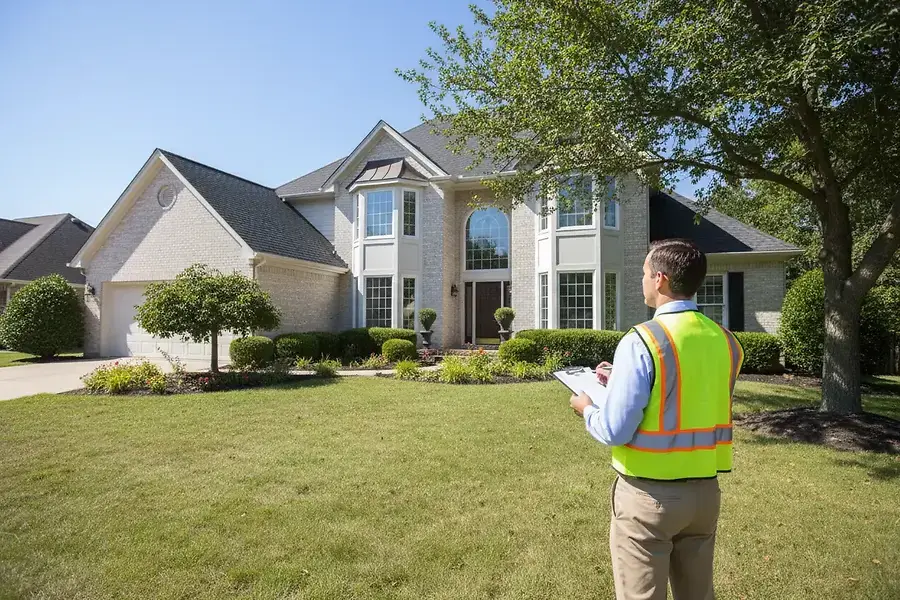
Understanding the Core Factors Behind Property Valuations
Home valuation is both an art and a science. Professional appraisers use a combination of data analysis, market research, and physical property inspection to determine a home's fair market value. Understanding these core factors can empower you to make better decisions whether you're buying or selling.
The primary components of a home valuation include:
- Square footage and layout: The total livable space and how efficiently it's organized significantly impact value. Homes with open floor plans and well-designed layouts typically command higher prices.
- Age and condition: Newer homes or recently renovated properties generally appraise higher. The structural integrity, roof condition, and mechanical systems are carefully evaluated.
- Number of bedrooms and bathrooms: These are key selling points. Properties with more bedrooms and updated bathrooms tend to have higher valuations.
- Special features: Upgrades like energy-efficient windows, smart home technology, hardwood floors, and modern kitchens add significant value.
- Lot size and outdoor space: The land itself holds value. Larger lots, mature landscaping, and desirable outdoor features increase overall property worth.
How Market Conditions and Location Impact Your Home's Worth
The Power of Location
The old real estate adage "location, location, location" remains true. Your home's geographic position is often the most influential factor in its valuation. Properties in desirable neighborhoods with good schools, low crime rates, and convenient access to amenities command premium prices.
Consider these location-based factors:
- Proximity to quality schools and educational institutions
- Access to public transportation and major highways
- Nearby shopping, dining, and entertainment options
- Safety and crime statistics of the neighborhood
- Future development plans and neighborhood trends
- Natural amenities like parks, waterfront access, or scenic views
Market Conditions and Timing
The broader real estate market plays a crucial role in home valuations. In a buyer's market, where inventory exceeds demand, home values may stagnate or decline. Conversely, in a seller's market, limited inventory drives prices upward.
Key market indicators include:
- Interest rates and mortgage availability
- Local employment trends and economic growth
- Supply and demand dynamics in your area
- Days on market for comparable properties
- Recent sales prices of similar homes
Understanding current market conditions helps you time your transaction strategically and set realistic expectations for your property's value.
Preparing Your Property for a Professional Appraisal
First Impressions Matter
Before an appraiser arrives, invest time in curb appeal. A well-maintained exterior creates a positive first impression and can influence the appraiser's perception of the entire property. This includes:
- Fresh landscaping and trimmed hedges
- Clean, well-maintained exterior paint or siding
- Functional roof and gutters
- Clear, welcoming entryway
- Properly functioning doors and windows
Interior Preparation
Inside, ensure your home is clean, organized, and well-lit. Appraisers need clear access to all areas, including attics, basements, and crawl spaces. Make minor repairs before the appraisal—fixing leaky faucets, replacing broken fixtures, and addressing obvious damage can prevent negative valuations.
Document all recent upgrades and improvements with receipts and photos. This information helps appraisers understand the true value of your investments in the property.
Providing Documentation
Prepare a comprehensive list of:
- Recent renovations and their costs
- Energy-efficient upgrades and certifications
- Maintenance records and repairs
- Property tax information
- Homeowners association details, if applicable
Using Valuation Insights to Negotiate with Confidence
For Sellers: Pricing Strategically
Understanding your home's valuation empowers you to price competitively without leaving money on the table. Work with your real estate agent to analyze comparable sales (comps) in your area. Properties that sold recently for similar prices provide the most accurate benchmarks.
Price too high, and your home sits on the market, potentially losing value. Price too low, and you sacrifice profit. The appraisal value is your anchor point for negotiations.
For Buyers: Making Informed Offers
As a buyer, understanding valuation helps you avoid overpaying. Request a comparative market analysis before making an offer. If the asking price significantly exceeds recent comparable sales, you have leverage to negotiate.
Remember that the appraisal protects both parties. If a property appraises below the agreed purchase price, you can renegotiate or walk away without penalty in most cases.
Negotiation Strategies
- Use data: Present comparable sales and market analysis to support your position.
- Be realistic: Understand the property's true condition and market value before negotiating.
- Focus on value: Highlight unique features and recent improvements that justify your asking or offer price.
- Consider timing: Market conditions can significantly impact your negotiating power.
- Get professional help: Real estate agents and appraisers provide objective insights that strengthen your position.
The Bottom Line
Home valuation knowledge transforms you from a passive participant into an informed, confident negotiator. Whether you're buying or selling, understanding the factors that influence property value—from location and market conditions to property condition and comparable sales—gives you the edge you need to make smart financial decisions.
Take time to research your local market, prepare your property thoroughly, and work with qualified professionals. With this knowledge in hand, you'll navigate any real estate transaction with greater confidence and success.


