Understanding Home Valuations: A Residential Buyer's Complete Guide
Learn how professional appraisals determine your home's true market value and why it matters for your investment.

Understanding Property Appraisals and Market Assessment
When you're buying a home, one of the most critical steps in the process is obtaining a professional appraisal. A home appraisal is an unbiased, third-party evaluation of your property's fair market value. Unlike the listing price or your offer amount, an appraisal provides an objective assessment based on comparable sales, property condition, and market trends.
Professional appraisers are licensed experts who conduct thorough inspections of properties and analyze market data to determine accurate valuations. This process protects both buyers and lenders by ensuring that the property's value justifies the loan amount. Understanding how appraisals work is essential for making informed decisions throughout your home-buying journey.
The Role of Appraisers in the Home-Buying Process
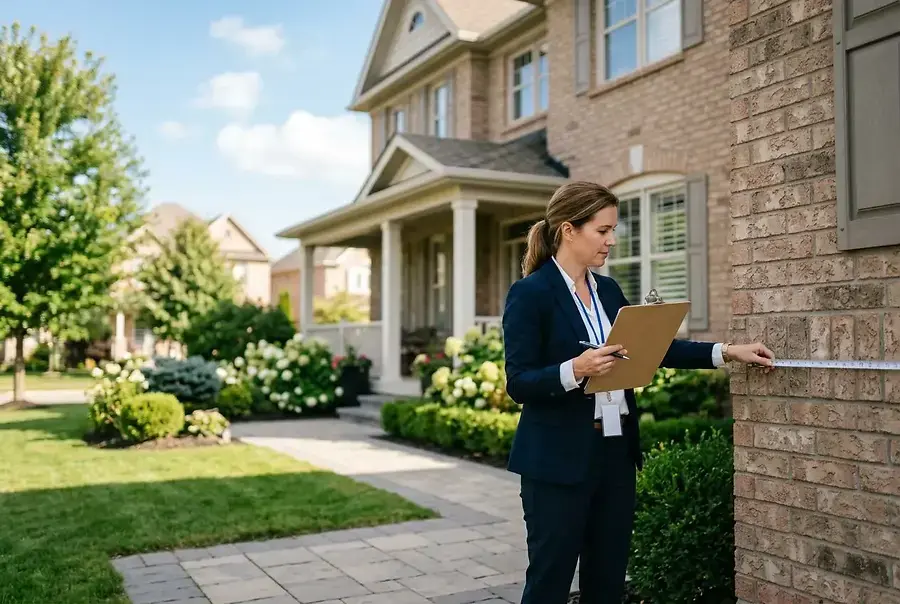
Appraisers serve as neutral parties in real estate transactions. They don't work for the buyer or seller; instead, they're typically hired by the lender to protect their investment. An appraiser will visit the property, measure its dimensions, assess its condition, and evaluate the neighborhood. They then compare the property to similar homes that have recently sold in the area to arrive at a fair market value.
The appraisal report becomes a crucial document that lenders use to determine how much money they're willing to loan. If the appraisal comes in lower than the purchase price, it can significantly impact your financing options and negotiating power.
Key Factors That Impact Your Home's Valuation
Several important factors influence how an appraiser determines your home's value. Understanding these elements can help you better prepare for the appraisal process and anticipate potential valuation outcomes.
Property Condition and Structural Integrity
The physical condition of the home is one of the most significant factors in valuation. Appraisers carefully inspect:
- Roof and foundation – Major structural components that affect long-term value
- HVAC systems – Heating, cooling, and ventilation efficiency
- Plumbing and electrical – Safety and functionality of essential systems
- Interior finishes – Flooring, paint, fixtures, and overall maintenance
- Appliances and upgrades – Modern amenities that add value
Homes requiring significant repairs typically receive lower valuations, while well-maintained properties command higher appraisals.
Location and Neighborhood Characteristics
The old real estate adage "location, location, location" holds true in appraisals. Appraisers evaluate neighborhood factors including:
- School district quality and ratings
- Proximity to employment centers and amenities
- Crime rates and neighborhood safety
- Local market trends and economic stability
- Property tax rates and community services
Properties in desirable neighborhoods with strong schools and low crime rates typically appraise higher than similar homes in less desirable areas.
Comparable Sales and Market Data
Appraisers use comparable sales (or "comps") as a primary valuation method. They analyze recent sales of similar properties in the same geographic area, adjusting for differences in size, condition, age, and features. This data-driven approach ensures valuations reflect current market conditions rather than outdated assumptions.
Size and Square Footage
The home's total square footage, number of bedrooms and bathrooms, and lot size all influence valuation. Appraisers calculate price per square foot and compare it to similar properties. Larger homes generally appraise higher, though the relationship isn't always linear—a poorly designed large home may not command proportionally higher value than a smaller, well-designed alternative.
Negotiating Offers Based on Appraisal Results
The appraisal outcome can significantly impact your negotiating position. Here's how to use appraisal results strategically:
When the Appraisal Comes in Low
If the appraisal is lower than your offer price, you have several options:
- Renegotiate the price – Request that the seller reduce the asking price to match the appraised value
- Request repairs – Ask the seller to address deficiencies identified in the appraisal
- Increase your down payment – Cover the difference between the appraisal and your offer with additional cash
- Walk away – If the property doesn't appraise at your offer price, you may have an out clause in your contract
A low appraisal doesn't necessarily mean the home isn't worth the asking price—it means the lender won't finance it at that amount. This distinction is crucial for your negotiating strategy.
When the Appraisal Comes in High
If the appraisal exceeds your offer price, you're in a strong position. This validates your purchase price and provides confidence that you're making a sound investment. You can proceed with confidence knowing the property's value supports your offer.
Protecting Your Investment Through Proper Valuation
Understanding and utilizing home valuations effectively is essential for protecting your real estate investment.
Why Accurate Valuations Matter
An accurate appraisal protects you in multiple ways:
- Prevents overpaying – Ensures you're not paying more than the property is worth
- Secures favorable financing – Helps you obtain the best loan terms available
- Supports future refinancing – Establishes a baseline for future property valuations
- Provides documentation – Creates an official record of the property's condition and value
Tips for a Successful Appraisal
While you can't control the appraiser's final determination, you can take steps to ensure the appraisal process goes smoothly:
- Prepare the property – Ensure the home is clean, accessible, and in good condition for inspection
- Provide documentation – Gather records of recent repairs, upgrades, and maintenance
- Be transparent – Disclose any known issues or defects honestly
- Ensure access – Make sure the appraiser can inspect all areas of the property, including the attic and basement
Moving Forward with Confidence
Understanding home valuations empowers you to make informed decisions throughout the buying process. By recognizing the factors that influence appraisals and knowing how to respond to appraisal results, you can negotiate effectively, protect your investment, and ensure you're making a sound financial decision. Whether you're a first-time buyer or an experienced investor, a solid grasp of home valuations is essential for success in the real estate market.


