Understanding Home Value Trends Across Greater Lansing Communities
Discover how property values are shifting in Okemos, East Lansing, Haslett, and surrounding areas to make informed investment decisions.

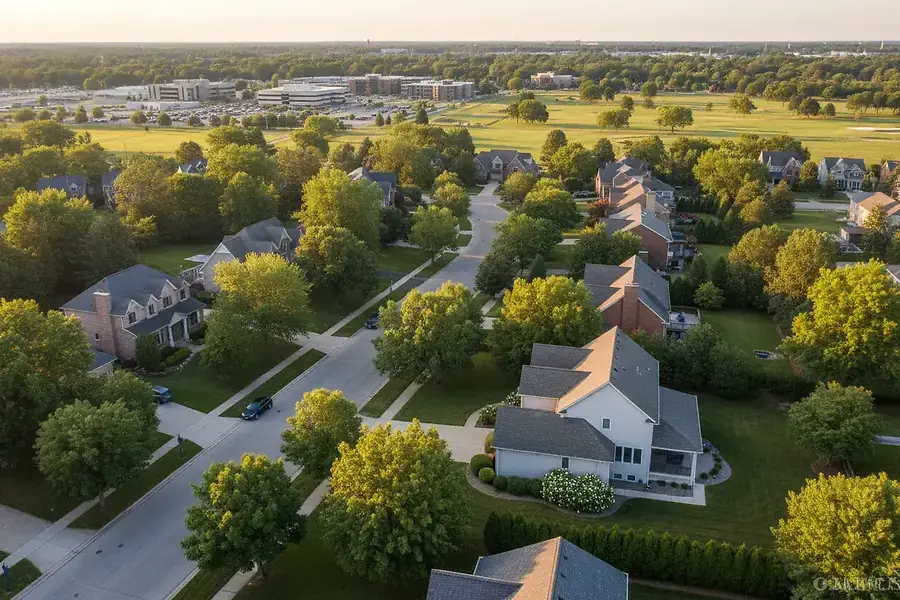
Understanding Current Market Dynamics in the Greater Lansing Area
The Greater Lansing real estate market continues to evolve as buyers and sellers navigate shifting economic conditions and changing community preferences. The region, anchored by Michigan State University and a diverse economic base, remains an attractive destination for homebuyers seeking quality of life and investment potential. Understanding the current market dynamics is essential for anyone considering buying, selling, or investing in residential property throughout the area.
Recent market data reveals a stabilizing trend after several years of rapid appreciation. Inventory levels have adjusted, and buyer demand has become more selective, creating a more balanced market environment. This shift presents both challenges and opportunities for homeowners and prospective buyers who understand the nuances of their local communities.
Property Value Patterns by Community: Okemos, East Lansing, Haslett, Williamston, DeWitt, Lansing, Bath, and Mason
Okemos
Okemos remains one of the most desirable communities in the region, known for excellent schools and well-maintained neighborhoods. Property values in Okemos have demonstrated resilience, with homes in established subdivisions maintaining strong appreciation. The community's reputation for quality education and family-friendly amenities continues to support steady demand.
East Lansing
As home to Michigan State University, East Lansing experiences unique market dynamics driven by student housing demand and young professional interest. The downtown revitalization efforts and proximity to campus have bolstered property values in select neighborhoods. Investment properties and owner-occupied homes near the university continue to attract attention from diverse buyer pools.
Haslett
Haslett offers a more rural character while maintaining convenient access to urban amenities. Properties here appeal to buyers seeking larger lots and a quieter lifestyle. The community has seen steady appreciation as families seek alternatives to more densely developed areas without sacrificing convenience.
Williamston, DeWitt, Bath, and Mason
These outlying communities represent the growing edge of the Greater Lansing market. Williamston, DeWitt, Bath, and Mason offer newer construction opportunities and more affordable entry points for first-time buyers. As development expands outward, these communities attract families and investors seeking value and growth potential. Property appreciation in these areas has outpaced some established communities as infrastructure improvements and new amenities continue to develop.
Factors Driving Residential Value Changes and What They Mean for Buyers and Sellers
Economic Influences
The Greater Lansing area benefits from a diverse economic base including education, healthcare, technology, and manufacturing sectors. Employment stability in these industries supports consistent housing demand. Interest rate fluctuations continue to impact buyer purchasing power and market activity levels significantly.
School District Quality
School ratings remain a primary driver of property values across all communities. Families prioritize access to highly-rated schools, and homes in top-performing districts command premium prices. This factor consistently influences buyer decisions and long-term property appreciation.
Community Development and Infrastructure
New commercial development, road improvements, and recreational amenities enhance community appeal and property values. Communities investing in infrastructure and quality-of-life improvements attract more buyers and support stronger appreciation trends. The expansion of retail, dining, and entertainment options particularly influences younger buyer demographics.
Demographic Shifts
Changing preferences among different age groups affect which communities experience the strongest demand. Younger professionals often prefer walkable, urban-adjacent neighborhoods, while families with children prioritize suburban communities with excellent schools. Understanding these demographic trends helps predict which areas will experience stronger appreciation.
What This Means for Buyers and Sellers
- For Buyers: The current market offers more negotiating power than recent years. Buyers should focus on long-term value rather than short-term appreciation, considering community fundamentals and personal lifestyle needs.
- For Sellers: Strategic pricing and effective marketing are essential in a more competitive environment. Highlighting unique features and community benefits becomes increasingly important to attract qualified buyers.
Positioning Your Home Strategically in Today's Competitive Market
Enhance Curb Appeal and First Impressions
The exterior of your home creates the first impression for potential buyers. Investing in landscaping, fresh paint, and well-maintained entryways significantly impacts buyer perception and perceived value. Professional staging of outdoor spaces can substantially influence purchase decisions.
Highlight Community Benefits
Emphasize the advantages of your specific neighborhood and community. Showcase proximity to quality schools, parks, shopping, and employment centers. Document community amenities and recent improvements that enhance lifestyle and property values. Buyers increasingly research communities thoroughly, so providing this information proactively strengthens your position.
Price Competitively Based on Market Data
Accurate pricing based on recent comparable sales is critical for success. Overpricing limits buyer interest, while underpricing leaves money on the table. Work with experienced real estate professionals who understand local market nuances and can provide data-driven pricing recommendations.
Invest in Strategic Improvements
Focus on improvements that provide strong return on investment. Kitchen and bathroom updates, energy-efficient upgrades, and fresh interior finishes typically yield positive returns. Avoid overly personalized renovations that may not appeal to broader buyer demographics.
Leverage Digital Marketing
Professional photography, virtual tours, and targeted online marketing reach today's buyers effectively. High-quality visual presentations showcase your home's best features and attract serious inquiries. Digital marketing strategies have become essential for competitive positioning in the current market.
Consider Timing and Market Conditions
Understanding seasonal patterns and broader market trends helps optimize your selling timeline. Spring and early summer typically see increased buyer activity, though well-positioned homes sell successfully year-round. Monitoring market indicators helps you make informed decisions about when to list your property.
The Greater Lansing real estate market offers diverse opportunities across multiple communities. Whether you're buying, selling, or investing, success depends on understanding local market dynamics, community-specific factors, and strategic positioning. By focusing on long-term value, community fundamentals, and effective marketing, you can make informed decisions that align with your real estate goals and financial objectives.