Understanding Home Value Trends Across Seattle's Top Metro Communities
Discover how neighborhood selection impacts property appreciation in Washington's most desirable communities.

Introduction: Understanding the Seattle Metro Real Estate Market
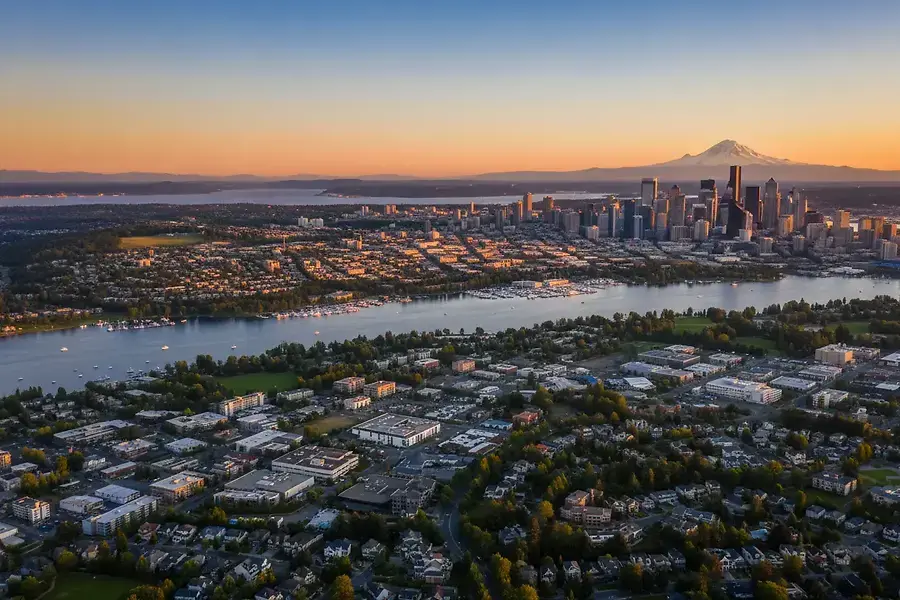
The Seattle metropolitan area has become one of the most dynamic real estate markets in the Pacific Northwest, attracting homebuyers, investors, and families seeking both urban convenience and suburban tranquility. Understanding home value trends across this diverse region is essential for anyone considering a property purchase or investment. The Puget Sound area encompasses numerous communities, each with distinct characteristics that influence property values and appreciation potential.
Seattle's real estate market has experienced significant growth over the past decade, driven by a thriving tech industry, strong job market, and limited housing inventory. However, the story doesn't end in Seattle proper—surrounding communities like Tacoma, Kirkland, Bellevue, and Redmond offer compelling alternatives with their own unique value propositions. By examining these neighborhoods, prospective buyers can make informed decisions that align with their financial goals and lifestyle preferences.
Comparing Home Values Across Key Communities: Seattle, Tacoma, Kirkland, and Beyond
Seattle's Urban Core
Seattle remains the anchor of the region's real estate market, with neighborhoods like Capitol Hill, Ballard, and Queen Anne commanding premium prices. The city's walkable neighborhoods, vibrant cultural scene, and proximity to major employers make it highly desirable. Home values in central Seattle have appreciated steadily, though the market has become increasingly competitive for first-time homebuyers.
Neighborhoods on the city's periphery, such as West Seattle and South Seattle, offer relatively more affordable entry points while still providing urban amenities and strong appreciation potential. These areas are experiencing renewed interest as buyers seek value without sacrificing neighborhood character.
Tacoma's Emerging Opportunity
Tacoma has emerged as a compelling alternative for homebuyers priced out of Seattle. Located just 35 miles south, this waterfront city offers significantly lower median home prices while maintaining strong employment opportunities and cultural attractions. The revitalization of downtown Tacoma and neighborhoods like Proctor District has attracted younger professionals and families.
Property appreciation in Tacoma has been impressive, with many neighborhoods experiencing double-digit growth rates. The city's affordability combined with improving infrastructure and amenities makes it an attractive investment opportunity for those with a longer-term perspective.
Kirkland and Eastside Communities
Kirkland, located on the eastern shore of Lake Washington, represents the premium Eastside market. This charming waterfront community features excellent schools, upscale shopping, and a strong sense of community. Home values here reflect the area's desirability, with properties commanding prices comparable to Seattle's most sought-after neighborhoods.
Nearby communities like Redmond, Bellevue, and Sammamish offer variations on the Eastside experience. Redmond's tech industry presence supports strong property values, while Bellevue's downtown revitalization continues to drive appreciation. These communities consistently rank among the region's most expensive markets, reflecting their strong fundamentals and limited inventory.
Suburban Alternatives
Communities further from the urban core, such as Renton, Kent, and Federal Way, offer more affordable options with growing appreciation potential. These areas benefit from improving transit connections and expanding employment centers, making them increasingly attractive to commuters and families seeking value.
Factors Driving Property Appreciation in Puget Sound Neighborhoods
Employment and Economic Growth
The Puget Sound region's robust job market remains the primary driver of real estate demand. Major employers including tech giants, healthcare systems, and manufacturing facilities create stable employment opportunities that support housing demand. Communities with proximity to employment centers consistently experience stronger appreciation.
School Quality and Family Appeal
School district ratings significantly influence property values, particularly in family-oriented neighborhoods. Communities with highly-rated schools command premium prices and experience stronger appreciation. Parents prioritize education, making school quality a critical factor in neighborhood selection and long-term property value growth.
Infrastructure and Transit Development
Improvements to transportation infrastructure, including light rail expansion and highway upgrades, enhance neighborhood accessibility and desirability. Communities benefiting from transit improvements often experience accelerated appreciation as they become more convenient for commuters.
- Light rail extensions increase accessibility to employment centers
- Highway improvements reduce commute times
- Pedestrian-friendly infrastructure enhances walkability
- Bike lanes and public spaces attract younger demographics
Neighborhood Amenities and Character
Walkable neighborhoods with vibrant commercial districts, parks, and cultural attractions command premium valuations. Buyers increasingly prioritize lifestyle amenities, making neighborhoods with strong character and community identity more desirable. Waterfront access, mountain views, and proximity to outdoor recreation also drive property values.
Housing Supply Constraints
Limited housing inventory across the Puget Sound region continues to support property appreciation. Zoning restrictions, environmental constraints, and development costs limit new construction, keeping supply tight relative to demand. This supply-demand imbalance provides a structural support for property values across most communities.
Population Growth and Migration Patterns
The Pacific Northwest's appeal to transplants from other regions continues to fuel housing demand. Young professionals, remote workers, and families relocating to the region seek homes across various price points, supporting appreciation across diverse neighborhoods. This sustained migration provides long-term support for property values.
Conclusion: Using Market Insights to Make Informed Real Estate Decisions
The Seattle metropolitan area offers diverse real estate opportunities across neighborhoods with varying price points, appreciation potential, and lifestyle characteristics. Successful real estate decisions require understanding both current market conditions and long-term trends.
For buyers seeking premium urban living, Seattle's established neighborhoods offer proven appreciation and strong amenities. Those prioritizing value and growth potential should consider emerging communities like Tacoma or suburban alternatives. Eastside communities like Kirkland and Bellevue appeal to buyers seeking upscale suburban living with strong schools and community character.
"The best real estate investment is one that aligns with your financial goals, lifestyle preferences, and long-term vision for your family."
Key considerations for your decision should include proximity to employment, school quality, neighborhood trajectory, and personal lifestyle priorities. Working with knowledgeable local real estate professionals can help you navigate the nuances of different communities and identify opportunities that match your specific needs.
The Puget Sound region's strong fundamentals—including economic growth, population migration, and limited supply—support continued property appreciation across most communities. By understanding the factors driving value in different neighborhoods, you can make informed decisions that position you for long-term success in this dynamic market.