Understanding Home Values Across Des Moines Metro Communities
Discover how neighborhood location impacts property values in the greater Des Moines area.

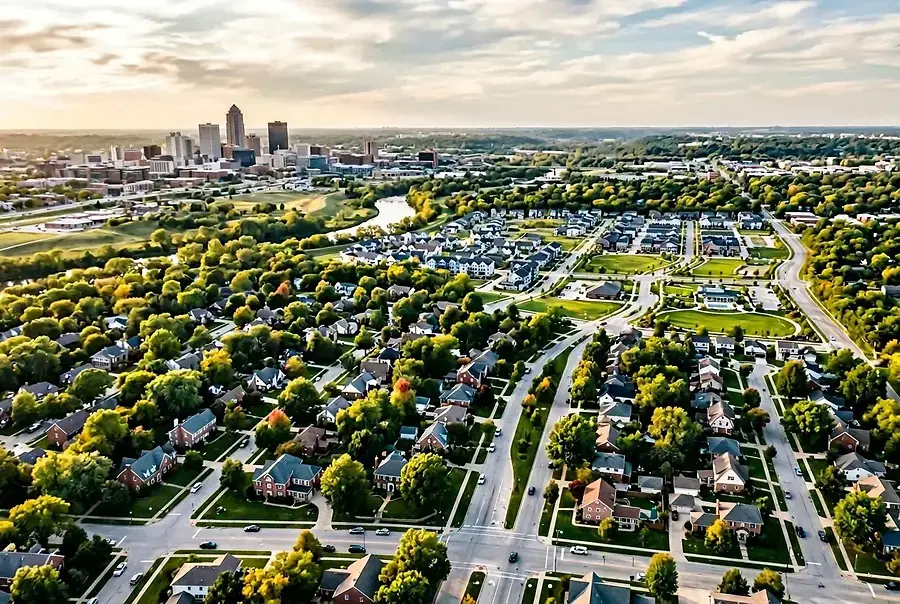
Understanding Des Moines Metro Home Values
The Des Moines metropolitan area has experienced significant growth and development over recent years, making it an increasingly attractive market for homebuyers and investors alike. Home values across the region vary considerably depending on numerous factors, with location serving as one of the most critical determinants of property worth. Understanding these market dynamics is essential for anyone looking to buy, sell, or invest in real estate within the greater Des Moines area.
The metro area encompasses multiple communities, each with its own unique characteristics, amenities, and market trends. From established neighborhoods with strong community ties to newer developments offering modern conveniences, the diversity of options means there's something for virtually every buyer profile. However, this diversity also means that home values can fluctuate significantly from one neighborhood to another.
How Location Influences Your Home's Market Value
Proximity to Employment Centers
One of the most significant factors affecting home values in the Des Moines metro is proximity to major employment centers. Properties located near downtown Des Moines, business parks, and corporate headquarters tend to command higher prices due to reduced commute times. Homebuyers are increasingly willing to pay a premium for convenience, making neighborhoods with easy access to job centers particularly desirable.
School District Quality
Families with children prioritize school district ratings when selecting neighborhoods. Areas served by highly-rated schools consistently see stronger home values and faster appreciation. The quality of local schools directly impacts property desirability and can significantly influence your home's appraisal value, even if you don't have children yourself.
Amenities and Lifestyle Factors
The availability of parks, shopping centers, restaurants, and recreational facilities plays a crucial role in determining neighborhood appeal. Communities offering walkable streets, vibrant downtown areas, and quality amenities attract more buyers and command higher property values. Access to these lifestyle features has become increasingly important to modern homebuyers.
Infrastructure and Development
Well-maintained roads, reliable utilities, and planned infrastructure improvements signal a community's commitment to growth and quality of life. Neighborhoods with strong infrastructure tend to appreciate faster and maintain higher values. Upcoming development projects can also positively impact property values in surrounding areas.
Comparing Neighborhoods: Which Areas Offer the Best Investment Potential
Established Neighborhoods with Strong Equity
Traditional neighborhoods with established communities often provide stable, reliable investments. These areas typically feature:
- Mature tree-lined streets and established landscaping
- Strong community organizations and neighborhood associations
- Consistent property appreciation over time
- Well-maintained homes with proven market demand
Emerging Growth Areas
Newer developments and revitalized neighborhoods can offer excellent investment potential for those willing to take a slightly longer-term view. These areas often feature:
- Modern construction and updated infrastructure
- Lower entry prices compared to established neighborhoods
- Strong growth potential as communities develop
- New amenities and planned improvements
Mixed-Use Communities
Neighborhoods combining residential, commercial, and recreational spaces are increasingly popular. These communities offer residents convenience and walkability, which translates to stronger property values and sustained demand. The integration of different uses creates vibrant neighborhoods that appeal to diverse buyer demographics.
Key Investment Considerations
When evaluating neighborhoods for investment potential, consider the following:
- Historical appreciation rates – Research how property values have changed over the past five to ten years
- Population trends – Growing communities typically see stronger home value appreciation
- Planned developments – Upcoming projects can significantly impact future property values
- Market inventory – Low inventory often supports higher prices and faster appreciation
- Economic factors – Local job growth and business expansion indicate neighborhood strength
Positioning Your Home for Maximum Appraisal Value
Curb Appeal and First Impressions
Appraisers begin their evaluation from the street. A well-maintained exterior, attractive landscaping, and quality entry features create a positive first impression that can influence the entire appraisal. Investing in curb appeal often yields strong returns and sets the tone for how appraisers perceive your property's overall condition.
Interior Updates and Maintenance
While major renovations aren't always necessary, maintaining your home in excellent condition is essential. Focus on:
- Updated kitchen and bathroom fixtures
- Fresh paint and flooring in good condition
- Functional HVAC and electrical systems
- Well-maintained appliances and systems
Documentation and Improvements
Keep detailed records of all improvements, repairs, and maintenance performed on your property. Appraisers value homes that have been well-maintained and upgraded over time. Having documentation of recent work can positively influence appraisal outcomes and demonstrate your home's value to potential buyers.
Comparative Market Analysis
Understanding how your home compares to similar properties in your neighborhood is crucial. Appraisers use comparable sales to determine value, so knowing your competition helps you understand your home's realistic market position. Recent sales of similar homes in your area provide the strongest indicators of current market value.
Professional Presentation
When appraisers visit your home, presentation matters. Ensure your home is clean, organized, and accessible. Highlight recent improvements and unique features that add value. A well-presented home often receives a more favorable appraisal than one that appears neglected or poorly maintained.
Location Advantages
While you can't change your neighborhood, you can emphasize its strengths during the appraisal process. Highlight proximity to schools, employment centers, parks, and shopping. Point out recent community improvements and planned developments that will enhance the area. Appraisers consider neighborhood factors heavily, and understanding how to articulate your location's advantages can positively impact your home's appraised value.
The Des Moines metro real estate market offers diverse opportunities for homeowners and investors. By understanding how location influences value, researching neighborhood potential, and positioning your home effectively, you can maximize your property's worth and make informed decisions about your real estate investments.