Understanding Home Values in Warren County's Smaller Communities
Discover what drives real estate prices in Bowling Green, Glasgow, Scottsville, Brownsville, and Smiths Grove and how to position your property competitively.

The Warren County Market Overview
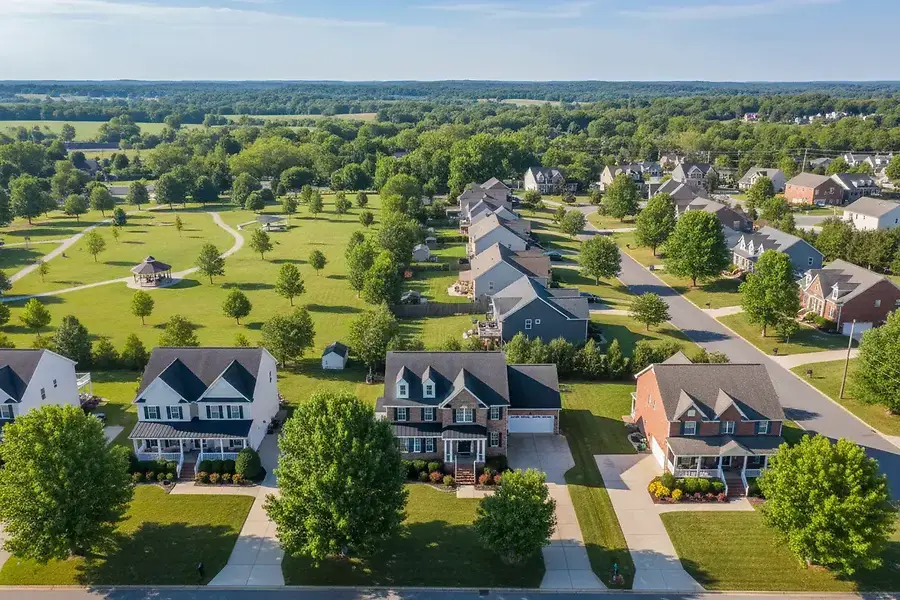
Warren County's real estate landscape extends far beyond its largest urban centers. The smaller communities of Bowling Green, Glasgow, Scottsville, Brownsville, and Smiths Grove each offer unique opportunities for homebuyers and sellers alike. Understanding the nuances of these markets is essential for anyone looking to buy, sell, or invest in South-Central Kentucky property.
These communities have experienced steady growth and development, attracting families, retirees, and investors seeking affordable living with small-town charm. Each area maintains its own character while benefiting from proximity to larger commercial and educational hubs. The diversity of these markets means that home values can vary significantly based on location, amenities, and local economic factors.
Factors Influencing Home Values Across South-Central Kentucky Communities
Location and Accessibility
Location remains the cornerstone of real estate value. Properties with convenient access to major highways, shopping centers, and employment opportunities command premium prices. Communities closer to Bowling Green's downtown and Western Kentucky University tend to see higher valuations, while more rural areas may offer better value for those seeking privacy and land.
The distance to essential services—schools, hospitals, and grocery stores—significantly impacts property desirability. Homes within established neighborhoods with developed infrastructure typically appreciate faster than those in emerging areas.
School District Quality and Ratings
Families prioritize school quality when selecting neighborhoods. Areas served by highly-rated school districts experience stronger demand and higher home values. The reputation of local schools directly influences buyer interest and property appreciation potential.
Community Amenities and Infrastructure
Access to parks, recreational facilities, and community centers enhances neighborhood appeal. Well-maintained streets, reliable utilities, and modern infrastructure attract quality buyers willing to pay premium prices. Communities investing in public spaces and amenities see corresponding increases in property values.
Economic Development and Employment
Local job growth and business development create demand for housing. Areas experiencing economic expansion attract workers and families, driving up home values. Conversely, communities facing economic challenges may see stagnant or declining property values.
Property Condition and Age
The age and condition of homes significantly affect their market value. Well-maintained properties with modern updates command higher prices than homes requiring substantial repairs. Recent renovations, updated systems, and quality finishes can substantially increase a property's appeal and value.
Market Supply and Demand Dynamics
The balance between available inventory and buyer interest directly influences pricing. Markets with limited inventory and strong buyer demand see appreciation, while oversupplied markets may experience price pressure. Understanding current market conditions in your specific community is crucial for accurate pricing.
Pricing Strategies for Different Neighborhood Types and Property Sizes
Established Residential Neighborhoods
Mature neighborhoods with established homes typically feature stable, predictable pricing. These areas appeal to families seeking established communities with mature landscaping and proven infrastructure. Competitive pricing in these neighborhoods should reflect:
- Comparable sales from the past 3-6 months
- Property condition and recent upgrades
- Lot size and home square footage
- Proximity to schools and amenities
Emerging and Developing Communities
Newer developments offer modern construction and contemporary amenities. These properties often command premium pricing due to updated systems and energy efficiency. Pricing strategies should account for:
- New construction premiums
- Developer incentives and builder reputation
- Community growth potential
- Modern features and warranties
Rural and Acreage Properties
Properties with significant land offer unique value propositions. Pricing these homes requires consideration of:
- Land value per acre in the area
- Zoning and development potential
- Utilities and infrastructure availability
- Agricultural or recreational use potential
Smaller Homes and Starter Properties
Compact homes and starter properties attract first-time buyers and investors. Competitive pricing in this segment should emphasize:
- Affordability relative to market averages
- Low maintenance requirements
- Potential for appreciation
- Rental income potential for investors
Larger Family Homes
Spacious homes with multiple bedrooms appeal to growing families. Pricing strategies should highlight:
- Square footage and room count
- Storage and organizational features
- Outdoor living spaces
- Potential for home offices and flexible spaces
Leveraging Market Knowledge to Attract Quality Buyers
Conduct Thorough Market Research: Analyze recent comparable sales in your specific community. Understanding what similar properties sold for provides the foundation for competitive pricing. Work with local real estate professionals who understand the nuances of each Warren County community.
Highlight Community Strengths: Emphasize what makes your neighborhood special. Whether it's proximity to schools, recreational opportunities, or local businesses, help buyers understand the value of your community beyond the property itself.
Invest in Curb Appeal: First impressions matter significantly. Properties with attractive landscaping, well-maintained exteriors, and inviting entrances attract more buyer interest and command higher prices. Simple improvements often yield substantial returns.
Showcase Property Features: Professional photography, virtual tours, and detailed descriptions help buyers envision themselves in the home. Highlighting unique features, recent upgrades, and functional spaces increases perceived value.
Price Strategically: Overpricing deters buyers and extends time on market, while underpricing leaves money on the table. Competitive pricing attracts multiple offers and maximizes your return. Consider market conditions, property condition, and buyer demand when setting your price.
Partner with Local Experts: Real estate professionals with deep community knowledge can provide invaluable insights into local market trends, buyer preferences, and pricing strategies specific to your neighborhood.
Conclusion
Warren County's smaller communities offer diverse real estate opportunities with distinct market characteristics. Success in these markets requires understanding the specific factors that drive value in each area—from school quality and community amenities to economic development and property condition.
By conducting thorough market research, positioning your property competitively, and leveraging local market knowledge, you can attract quality buyers and achieve your real estate goals. Whether you're buying, selling, or investing in Bowling Green, Glasgow, Scottsville, Brownsville, Smiths Grove, or surrounding areas, informed decision-making based on current market conditions will serve you well.
The key to success in Warren County's real estate market is understanding that each community has its own story and appeal. By recognizing and communicating these unique value propositions, you position yourself for success in this dynamic and growing region.