Understanding Kansas City Home Inspection: What Buyers Need to Know
Learn what to expect during a home inspection and how to avoid costly surprises in your Kansas City real estate purchase.

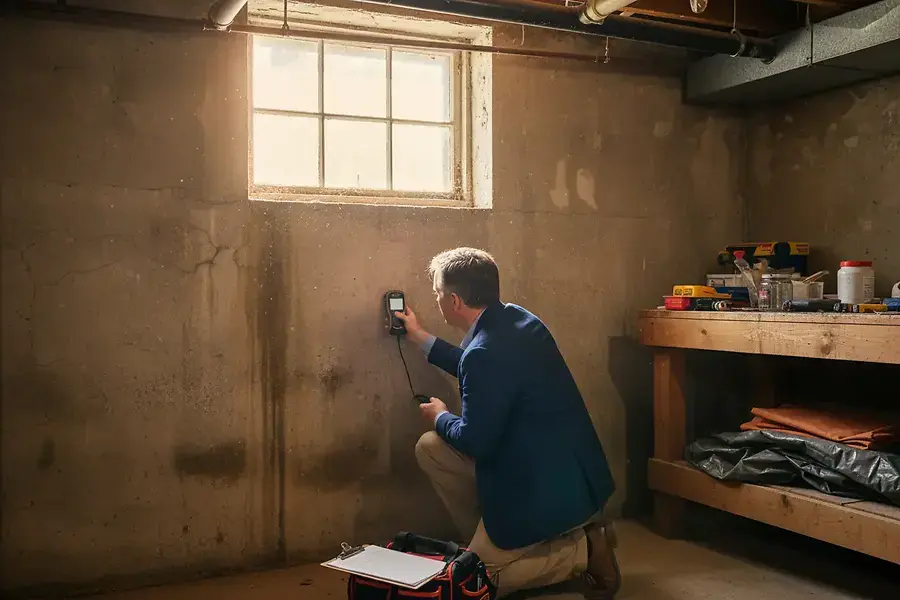
Why Home Inspections Matter in Kansas City
Purchasing a home is one of the most significant investments you'll make in your lifetime. In Kansas City's competitive real estate market, a professional home inspection is your best defense against unexpected repairs and costly surprises. A thorough inspection provides you with detailed information about the property's condition, helping you make an informed decision before committing to the purchase.
Home inspections are particularly important in Kansas City due to the region's unique climate and housing stock. The area experiences significant temperature fluctuations and humidity levels that can impact home structures differently than other regions. Many Kansas City homes were built decades ago, meaning they may have outdated systems or wear-and-tear issues that aren't immediately visible to the untrained eye.
A professional home inspector serves as your advocate, identifying potential problems that could affect your safety, comfort, and financial investment. Without this critical step, you could find yourself facing unexpected expenses for roof repairs, foundation issues, or HVAC system replacements shortly after closing.
The Home Inspection Process: What Happens During the Walk-Through
Before the Inspection Begins
A certified home inspector will typically spend 2-4 hours examining your potential Kansas City home, depending on its size and age. Before the inspection starts, you should receive a detailed explanation of what will be inspected and what won't be included in the standard inspection. It's wise to attend the inspection yourself so you can ask questions and understand the property's condition firsthand.
The Systematic Walkthrough
Professional inspectors follow a systematic approach, examining:
- Structural components: Foundation, walls, roof, and framing
- Exterior elements: Siding, windows, doors, gutters, and drainage systems
- Roofing: Shingles, flashing, gutters, and overall condition
- HVAC systems: Furnace, air conditioning, and ventilation
- Plumbing: Water pressure, drainage, fixtures, and water heater
- Electrical systems: Panel, outlets, switches, and safety features
- Interior spaces: Walls, ceilings, floors, and built-in appliances
- Basement and attic: Moisture, insulation, and structural integrity
The Inspection Report
After the walkthrough, you'll receive a comprehensive written report detailing the inspector's findings. This report categorizes issues by severity—from minor cosmetic concerns to major structural problems requiring immediate attention. Understanding this report is crucial for your next steps in the buying process.
Common Issues Found in Kansas City Homes and How to Address Them
Moisture and Foundation Problems
Kansas City's climate can be tough on foundations. Inspectors frequently identify moisture intrusion, basement seepage, and foundation cracks. These issues range from minor cosmetic concerns to serious structural problems. If detected, you may want to hire a foundation specialist for a secondary evaluation before deciding how to proceed.
Roof and Gutter Issues
Many Kansas City homes show signs of roof wear, missing shingles, or inadequate drainage. Given the region's weather patterns, roof condition is critical. Budget for repairs or replacement if your inspector identifies significant deterioration. A new roof can be a substantial expense, making this a key negotiation point.
HVAC System Age and Condition
Older heating and cooling systems are common in Kansas City's established neighborhoods. If your inspection reveals an aging furnace or air conditioner, factor replacement costs into your decision. Modern, efficient systems can improve comfort and reduce utility bills significantly.
Plumbing and Water Quality
Older homes may have outdated plumbing materials or water pressure issues. Some Kansas City properties still have galvanized pipes that may need replacement. Water heater age is also important—units typically last 8-12 years, so an older unit may need replacement soon.
Electrical System Updates
Outdated electrical panels or insufficient outlets are common in older Kansas City homes. If the inspector identifies safety concerns or capacity issues, budget for upgrades to meet modern standards and ensure your home is safe for contemporary appliance use.
Using Inspection Results to Negotiate and Close Your Deal with Confidence
Prioritize Your Findings
Not all inspection findings are created equal. Separate major issues from minor ones. Major problems affecting safety, structure, or essential systems warrant serious negotiation. Minor cosmetic issues may not be worth delaying your purchase.
Request Repairs or Credits
Armed with your inspection report, you have several options:
- Request that the seller make repairs before closing
- Negotiate a credit toward closing costs to handle repairs yourself
- Ask for a price reduction reflecting the cost of necessary repairs
- Accept the property as-is if issues are minor or manageable
Get Secondary Opinions When Needed
For significant issues like foundation problems or roof damage, consider hiring a specialist for a detailed assessment. This additional information strengthens your negotiating position and helps you understand true repair costs.
Make Your Final Decision
Use the inspection results to make an informed decision about whether to proceed with the purchase. Remember, the inspection contingency period is your opportunity to walk away if major issues emerge. However, most inspection findings can be addressed through negotiation or budgeting.
Close with Confidence
Once you've addressed inspection concerns through negotiation or accepted the property's condition, you can move forward to closing with confidence. You'll understand exactly what you're purchasing and have a clear picture of any future maintenance or repair needs.
A thorough home inspection is an investment in your peace of mind. In Kansas City's real estate market, this critical step ensures you're making a smart financial decision and avoiding costly surprises down the road. Work with a certified inspector, attend the walkthrough, understand the report, and use the findings to negotiate effectively. Your future self will thank you for taking this important step in the home-buying process.