Understanding Miami Property Taxes for Residential Home Buyers
Understand how property taxes, exemptions, and assessments impact your Miami home purchase and long-term ownership costs.

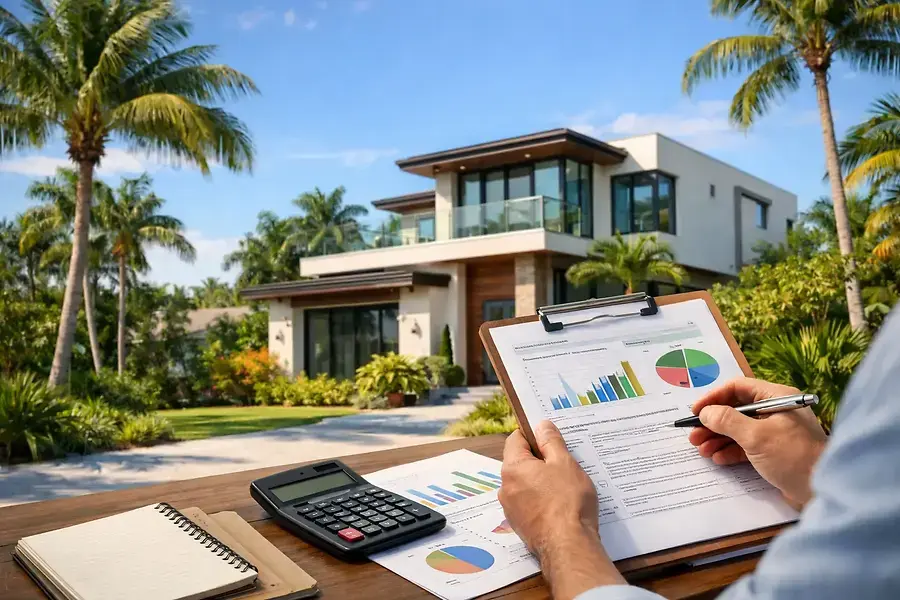
The Reality of Property Taxes in Miami Homeownership
Purchasing a home in Miami is an exciting milestone, but it comes with financial responsibilities that extend far beyond your mortgage payment. One of the most significant ongoing costs that new homeowners often overlook is property taxes. Understanding how Miami property taxes work is essential for making informed decisions about your home purchase and planning your long-term financial commitments.
Property taxes in Miami-Dade County are a crucial source of funding for local schools, infrastructure, emergency services, and community development. Unlike some states with lower tax burdens, Florida residents benefit from no state income tax, which means property taxes play a more prominent role in the state's revenue system. For Miami homeowners, this translates to property tax rates that require careful consideration during the home-buying process.
The average effective property tax rate in Miami-Dade County is approximately 0.76% of the assessed property value, which is relatively moderate compared to national averages. However, this percentage can vary based on your specific location, property type, and applicable exemptions. Being aware of these factors before purchasing your home can help you avoid surprises and budget more effectively.
How Miami Property Taxes Are Calculated and What Affects Your Bill
The Assessment Process
Miami property taxes begin with the property assessment conducted by the Miami-Dade County Property Appraiser's office. This assessment determines the market value of your property, which serves as the foundation for calculating your tax bill. The appraiser evaluates your home's characteristics, including:
- Square footage and lot size
- Age and condition of the structure
- Improvements and renovations
- Comparable sales in your neighborhood
- Location and proximity to amenities
It's important to note that the assessed value may differ from your purchase price. The Property Appraiser uses market data and comparable properties to determine fair market value, which might be higher or lower than what you paid.
Tax Rate Calculation
Once your property is assessed, the tax rate is applied. In Miami-Dade County, the millage rate—the amount of tax per $1,000 of assessed value—is set by various taxing authorities, including the county, school district, and municipality. The combined millage rate typically ranges from 7.5 to 8.5 mills, depending on your specific location within Miami-Dade County.
Your property tax bill is calculated using this formula:
Assessed Value × Millage Rate ÷ 1,000 = Annual Property Tax
For example, if your home is assessed at $400,000 and the millage rate is 8.0 mills, your annual property tax would be approximately $3,200.
Factors That Influence Your Tax Bill
Several factors can significantly impact the amount of property tax you'll pay:
- Property Value: Higher-valued properties result in higher tax bills
- Location: Different municipalities and school districts have varying millage rates
- Property Type: Residential, commercial, and agricultural properties may have different assessment methods
- Recent Sales: Recent comparable sales in your area influence assessed values
- Improvements: Adding structures or renovations can increase your assessed value
Available Tax Exemptions and Homestead Benefits for Miami Residents
The Homestead Exemption
Florida's homestead exemption is one of the most valuable benefits available to Miami homeowners. This exemption reduces the assessed value of your primary residence by $50,000, which directly lowers your property tax bill. To qualify, you must:
- Own the property as your primary residence
- Be a Florida resident
- File for the exemption with the Property Appraiser's office
- Maintain the exemption by meeting residency requirements
For a homeowner with a $400,000 assessed value, the homestead exemption would reduce the taxable value to $350,000, resulting in significant annual savings.
Additional Exemptions and Benefits
Beyond the standard homestead exemption, Miami residents may qualify for additional tax relief:
- Senior Exemption: Additional exemptions for homeowners age 65 and older
- Disability Exemption: Tax relief for disabled homeowners and disabled veterans
- Widow/Widower Exemption: Continued exemption benefits for surviving spouses
- Agricultural Exemption: For properties used for agricultural purposes
Each exemption has specific eligibility requirements, so it's worth consulting with the Property Appraiser's office to determine which benefits apply to your situation.
Budgeting for Taxes: Planning Your Total Cost of Ownership
Estimating Your Annual Tax Liability
When budgeting for your Miami home purchase, it's essential to factor in property taxes as part of your total cost of ownership. Don't wait until after closing to understand your tax obligations. Before making an offer, request a property tax estimate from your real estate agent or the Property Appraiser's website.
To calculate a rough estimate:
- Determine the property's likely assessed value (often close to purchase price)
- Apply the local millage rate (typically 7.5-8.5 mills)
- Subtract the homestead exemption ($50,000)
- Divide by 1,000 and multiply by the millage rate
Long-Term Planning Considerations
Property taxes in Miami are subject to annual adjustments based on property value changes and millage rate modifications. While Florida's Save Our Homes Amendment caps annual assessment increases at 3% for homesteaded properties, non-homesteaded properties can see larger increases. This makes obtaining your homestead exemption even more critical for long-term affordability.
Include property taxes in your monthly housing budget by dividing your annual estimate by 12. Many homeowners include this amount in their mortgage payment through an escrow account, making it easier to manage this significant expense.
Appealing Your Assessment
If you believe your property has been overassessed, you have the right to appeal. The Property Appraiser's office provides an informal review process, and if you're unsatisfied, you can file a formal petition with the Value Adjustment Board. Many homeowners successfully reduce their tax bills through this process, making it worth investigating if you have concerns about your assessment.
Understanding Miami property taxes empowers you to make smarter financial decisions about homeownership. By familiarizing yourself with how taxes are calculated, what exemptions you qualify for, and how to budget accordingly, you'll be better prepared for the true cost of owning a home in Miami. Take time to research your specific situation and consult with professionals who can provide personalized guidance based on your circumstances.


