Understanding Nashville Home Inspections: A Buyer's Complete Guide
Learn what professional home inspectors look for and how to use inspection results to negotiate confidently in Nashville's competitive real estate market.

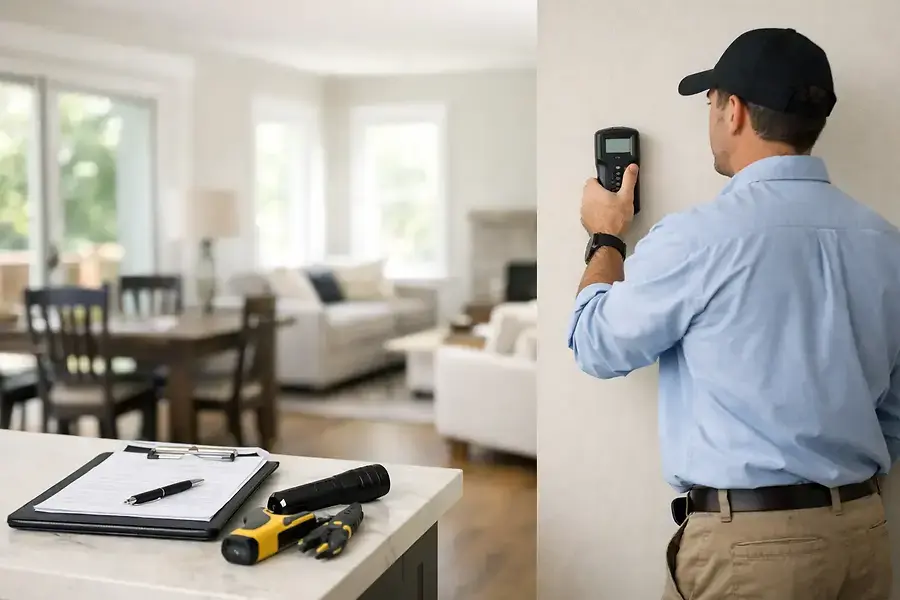
Why Home Inspections Matter for Nashville Buyers
Purchasing a home is one of the most significant financial decisions you'll make, and in Nashville's competitive real estate market, it's crucial to have all the information before committing. A professional home inspection serves as your personal advocate, providing an objective assessment of the property's condition before you finalize your purchase.
Home inspections protect your investment by uncovering hidden issues that might not be visible during a casual walkthrough. Whether you're buying a historic home in East Nashville or a modern property in the suburbs, an inspection gives you the confidence to move forward or the leverage to renegotiate terms.
What Professional Home Inspectors Evaluate and Why It Matters
Structural Components
Professional inspectors thoroughly examine your home's foundation, framing, and overall structural integrity. In Nashville, where homes range from historic Victorian properties to newer constructions, structural issues can vary significantly. Inspectors look for:
- Foundation cracks or settling issues
- Water damage or moisture intrusion
- Roof condition and remaining lifespan
- Wall and floor stability
Why it matters: Structural problems are expensive to repair and can affect your home's safety and resale value. Identifying these issues early allows you to budget accordingly or negotiate repairs with the seller.
Electrical and Plumbing Systems
Inspectors evaluate your home's electrical panel, wiring, outlets, and plumbing infrastructure. These systems are critical for daily living and safety. They assess:
- Electrical panel capacity and safety compliance
- Outdated wiring that may pose fire hazards
- Water pressure and drainage issues
- Pipe material and potential corrosion
- Water heater condition and efficiency
Why it matters: Faulty electrical systems can create fire hazards, while plumbing issues lead to costly water damage. Understanding these systems helps you plan for necessary upgrades or replacements.
HVAC Systems
Your heating, ventilation, and air conditioning system is essential for Nashville's variable climate. Inspectors evaluate:
- Age and condition of furnace and air conditioning units
- Proper ventilation and ductwork
- Thermostat functionality
- Maintenance history and efficiency
Why it matters: HVAC systems are expensive to replace. Knowing their condition helps you budget for future maintenance or replacement costs.
Interior and Exterior Elements
Inspectors examine doors, windows, insulation, flooring, and exterior features including:
- Window and door seals and functionality
- Insulation levels and energy efficiency
- Siding, gutters, and drainage systems
- Deck or porch safety and condition
- Basement or crawl space moisture issues
Why it matters: These elements affect your home's energy efficiency, comfort, and protection from the elements. Issues here can lead to higher utility bills or water damage if left unaddressed.
Common Issues Found in Nashville Properties and Resolution Options
Water Damage and Moisture Problems
Nashville's humid climate makes water intrusion a common concern. Inspectors frequently identify:
- Roof leaks or missing shingles
- Basement or crawl space moisture
- Damaged gutters and downspouts
- Grading issues that direct water toward the foundation
Resolution options: Request the seller make repairs before closing, negotiate a credit toward repairs, or factor repair costs into your offer. Minor issues like gutter cleaning might be manageable yourself, while roof leaks require professional attention.
Outdated or Failing Systems
Older Nashville homes often have aging electrical, plumbing, or HVAC systems. Common findings include:
- Knob-and-tube wiring requiring replacement
- Galvanized pipes prone to corrosion
- Original HVAC systems nearing end of life
Resolution options: Negotiate for system upgrades, request a credit for future replacement, or use this information to adjust your offer price. Get contractor quotes to understand realistic costs.
Safety Concerns
Inspectors identify safety hazards that must be addressed, including:
- Missing or damaged handrails
- Electrical code violations
- Asbestos or lead paint in older homes
- Mold growth or poor ventilation
Resolution options: Safety issues typically require seller remediation before closing. Don't compromise on safety—these repairs protect your family and your investment.
Minor Cosmetic Issues
Not everything found during inspection requires major repairs. Common minor issues include:
- Caulking gaps or weatherstripping wear
- Interior paint touch-ups
- Loose cabinet hardware
- Worn caulk around fixtures
Resolution options: These are often manageable DIY projects or minor contractor work. You might negotiate small credits or handle them yourself after purchase.
Making Informed Decisions Based on Inspection Findings
Review the Inspection Report Carefully
Take time to understand the inspector's findings. Ask questions about severity levels, safety concerns, and estimated repair costs. Don't skip this step—it's your roadmap for negotiation and future planning.
Get Professional Quotes
For significant issues, obtain quotes from licensed contractors. This gives you concrete numbers for negotiations and helps you understand true repair costs versus minor concerns.
Prioritize Your Concerns
Distinguish between deal-breakers, important repairs, and minor issues. Safety and structural concerns deserve priority, while cosmetic items can often wait.
Negotiate Strategically
Use inspection findings to negotiate effectively. You might request seller repairs, ask for credits, or adjust your offer price. In Nashville's competitive market, being informed and reasonable strengthens your negotiating position.
Remember: A home inspection isn't about finding reasons to back out—it's about making an informed decision and protecting your investment. Most homes have some issues; the key is understanding what you're buying and planning accordingly.


