Understanding Norwalk Home Inspection: What Buyers Need to Know
Discover the critical steps to protecting your investment through a thorough home inspection before closing on your Norwalk property.

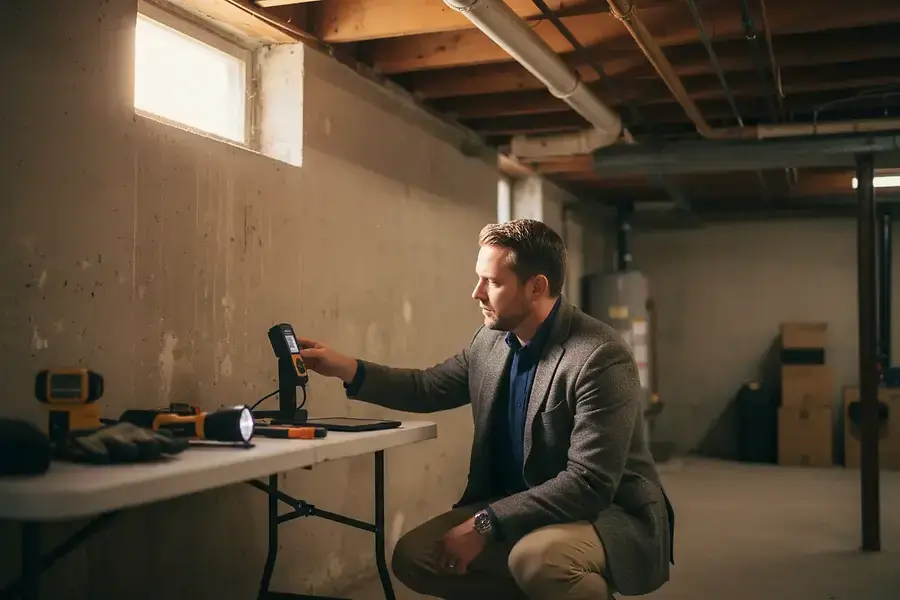
Why Home Inspections Matter in Norwalk's Competitive Market
In Norwalk's fast-paced real estate market, home inspections have become more critical than ever for buyers looking to protect their investments. With properties moving quickly and competition fierce, many buyers feel pressured to skip this essential step or rush through it. However, a thorough home inspection is your best defense against costly surprises after closing.
A professional home inspection provides an objective, detailed assessment of a property's condition. This comprehensive evaluation covers everything from the foundation to the roof, giving you the information needed to make an informed decision. In Norwalk's diverse housing market—ranging from historic homes to modern developments—understanding what inspectors look for can mean the difference between a sound investment and a financial burden.
Why should you prioritize a home inspection? Beyond peace of mind, inspections reveal issues that could affect your safety, comfort, and long-term financial investment. They also provide leverage for negotiations, allowing you to request repairs, credits, or price adjustments before you commit to the purchase.
What Professional Inspectors Look For: Key Systems and Structural Elements
Structural Integrity and Foundation
Professional inspectors begin by examining the home's foundation and structural components. They look for cracks, settling, water damage, and signs of foundation movement. In Norwalk, where homes vary in age and construction methods, foundation issues can range from minor cosmetic cracks to serious structural concerns that require expensive repairs.
Roofing and Exterior
The roof is one of your home's most important protective barriers. Inspectors evaluate:
- Roof age and remaining lifespan
- Missing, damaged, or curling shingles
- Flashing and gutter conditions
- Signs of leaks or water damage
- Exterior siding, windows, and doors
A roof replacement can cost thousands of dollars, making this assessment crucial for your budget planning.
Plumbing Systems
Inspectors test water pressure, check for leaks, and examine pipes for corrosion or damage. They also verify that the water heater is functioning properly and assess its age. Older homes in Norwalk may have outdated plumbing materials that could require upgrades.
Electrical Systems
A thorough electrical inspection includes checking the main panel, circuit breakers, outlets, and wiring. Inspectors look for outdated systems, improper installations, and safety hazards. This is particularly important in older Norwalk properties that may have aluminum wiring or insufficient electrical capacity for modern needs.
HVAC Systems
Heating, ventilation, and air conditioning systems are tested for proper operation. Inspectors assess the age of the furnace and air conditioning unit, check ductwork for leaks, and verify that the system adequately heats and cools the home.
Interior Components
Inspectors also examine:
- Insulation and ventilation
- Attic conditions and potential pest damage
- Basement or crawl space moisture issues
- Appliances included in the sale
- Windows, doors, and locks
Common Issues Found in Norwalk Homes and How to Address Them
Water Damage and Moisture Problems
Water intrusion is one of the most common issues found in Norwalk homes, particularly in basements and crawl spaces. If detected, you should:
- Request a moisture assessment from a specialist
- Negotiate for waterproofing or drainage improvements
- Obtain repair estimates to use in price negotiations
Outdated Systems
Many Norwalk properties feature older electrical, plumbing, or HVAC systems. While not always dangerous, these systems may be less efficient and could require replacement soon. Use inspection findings to negotiate credits toward future upgrades or request that the seller address critical issues before closing.
Pest Infestations
Termites, carpenter ants, and other pests can cause significant structural damage. If an inspection reveals pest activity, request a professional pest control assessment and treatment plan. This protects your investment and prevents future problems.
Roof and Exterior Damage
Roof damage, missing shingles, or deteriorated siding are common findings. These issues expose your home to weather damage and water intrusion. Request repair estimates and use them to negotiate credits or repairs before closing.
HVAC System Age
If heating or cooling systems are near the end of their lifespan, budget for replacement. A new HVAC system is a significant expense, so understanding the current system's condition helps you plan financially.
Using Inspection Results to Negotiate and Secure Your Best Deal
A home inspection report is more than just a document—it's a negotiation tool. Here's how to use it effectively:
Request Repairs or Credits
After receiving the inspection report, you have several options. You can request that the seller make repairs before closing, ask for a credit toward repairs you'll handle yourself, or negotiate a price reduction. In Norwalk's competitive market, sellers may be more willing to offer credits than make repairs, allowing you to choose your own contractors.
Prioritize Issues
Not all inspection findings require immediate action. Focus your negotiations on major issues that affect safety, structural integrity, or significant systems. Minor cosmetic issues are typically the buyer's responsibility.
Get Professional Estimates
For significant issues, obtain repair estimates from licensed contractors. These estimates provide concrete numbers for your negotiations and help you understand the true cost of addressing problems.
Know When to Walk Away
Sometimes an inspection reveals issues so extensive or expensive that the property isn't a good investment. Understanding this before closing protects you from a financial mistake. In Norwalk's market, there are other opportunities—don't settle for a problematic property.
Pro Tip: Always hire a certified, independent home inspector with experience in Norwalk properties. Their expertise with local construction styles and common regional issues is invaluable.
Conclusion: Protecting Your Norwalk Investment
A professional home inspection is an investment in your peace of mind and financial security. By understanding what inspectors look for, recognizing common issues in Norwalk homes, and using inspection results strategically, you position yourself to make the best possible decision about your purchase.
Don't let the competitive Norwalk market pressure you into skipping this critical step. A thorough inspection protects your investment, provides negotiation leverage, and ensures you're making an informed decision about one of the largest purchases of your life. Take the time to do it right—your future self will thank you.


