Understanding NYC Property Taxes: A Complete Guide for Residential Buyers
Discover how property taxes are calculated, what exemptions you may qualify for, and how to budget effectively as a New York homeowner.

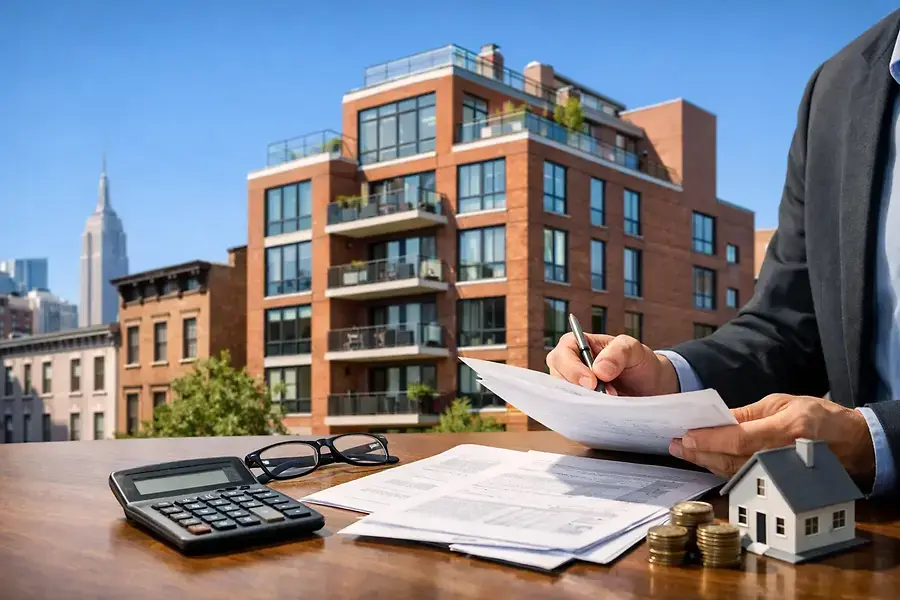
The Impact of Property Taxes on Your NYC Home Purchase
Purchasing a home in New York City is one of the most significant financial decisions you'll make. While many buyers focus on the down payment and mortgage rates, property taxes often catch new homeowners by surprise. NYC property taxes are among the highest in the nation, and understanding how they work is crucial for effective financial planning.
Property taxes fund essential services in your community, including schools, infrastructure, and public safety. For NYC homeowners, these taxes can represent a substantial annual expense that directly impacts your overall cost of homeownership. By understanding the calculation methods and available exemptions, you can make informed decisions and potentially save thousands of dollars over the life of your mortgage.
How NYC Calculates and Assesses Residential Property Taxes
The Assessment Process
NYC property taxes begin with an assessment of your home's value. The Department of Finance conducts regular assessments to determine the assessed value of your property, which differs from its market value. The assessed value is typically lower than what you paid for your home, and this is the figure used to calculate your tax bill.
The assessment process involves:
- Physical inspection of your property
- Comparison with similar properties in your neighborhood
- Review of recent sales data and market trends
- Consideration of property condition and improvements
Tax Rate Calculation
Once your property is assessed, NYC applies a tax rate to determine your annual tax bill. The calculation is straightforward:
Annual Property Tax = Assessed Value × Tax Rate
NYC uses different tax rates for different property classes. Class 1 properties (residential homes and small apartment buildings) typically have the lowest tax rates, while commercial and large multi-family buildings face higher rates. This system is designed to keep residential property taxes more affordable.
Understanding Your Tax Bill
Your property tax bill is divided into four quarters, with payments due on specific dates throughout the year. The Department of Finance sends notices that break down:
- Your property's assessed value
- The applicable tax rate
- Your total annual tax liability
- Payment schedules and due dates
It's essential to review your tax bill carefully. If you believe your assessment is incorrect, you have the right to file a Grievance to challenge it during the designated filing period.
Tax Exemptions, Deductions, and Money-Saving Strategies for Homeowners
Primary Residence Exemption
One of the most valuable benefits for NYC homeowners is the Primary Residence Exemption (PRE). This exemption reduces your assessed value by a fixed amount, which directly lowers your tax bill. To qualify, you must:
- Own the property as your primary residence
- Live in the home for at least 183 days per year
- File an application with the Department of Finance
The PRE can save eligible homeowners thousands of dollars annually, making it one of the most important exemptions to pursue.
Senior Citizen and Disability Exemptions
NYC offers additional tax relief programs for seniors and individuals with disabilities. These programs provide varying levels of exemptions based on income and age requirements. Senior homeowners aged 65 and older may qualify for significant tax reductions if their income falls below specified thresholds.
Energy Efficiency and Green Building Credits
New York City encourages sustainable homeownership through tax credits for energy-efficient improvements. If you install qualifying renewable energy systems or make significant energy-saving upgrades, you may be eligible for tax abatements that reduce your annual bill.
Strategic Money-Saving Tips
Beyond formal exemptions, consider these strategies to manage your property tax burden:
- Monitor your assessment: Review your assessment notice annually and file a grievance if you believe it's too high
- Document improvements: Keep records of renovations and upgrades that may affect future assessments
- Budget quarterly: Set aside funds each month to cover quarterly tax payments and avoid financial strain
- Consult a professional: Tax attorneys and accountants specializing in property taxes can identify exemptions you might miss
- Stay informed: NYC tax laws change periodically, so stay updated on new exemptions and programs
The Importance of Timely Payment
Paying your property taxes on time is crucial. Late payments result in penalties and interest charges that compound over time. Set up automatic payments or calendar reminders to ensure you never miss a deadline. The cost of late fees far exceeds any benefit from holding onto the money.
Making Informed Financial Decisions About Your NYC Property
Understanding NYC property taxes empowers you to make better financial decisions as a homeowner. When budgeting for your home purchase, factor in property taxes as a significant ongoing expense. Don't let property taxes catch you off guard—include them in your monthly housing cost calculations alongside mortgage payments, insurance, and maintenance.
Take advantage of every exemption and deduction you qualify for. The time invested in understanding these programs can result in substantial savings. Additionally, maintain open communication with the Department of Finance and don't hesitate to challenge assessments you believe are inaccurate.
As a NYC homeowner, your property tax bill will likely change over time due to reassessments and market fluctuations. By staying informed and proactive, you can navigate these changes confidently and protect your investment. Your home is likely your most valuable asset—managing its tax implications wisely is essential to long-term financial success.


