Understanding NYC Residential Market Trends Across All Five Boroughs
Discover current pricing, demand patterns, and investment potential in each borough's unique neighborhoods.

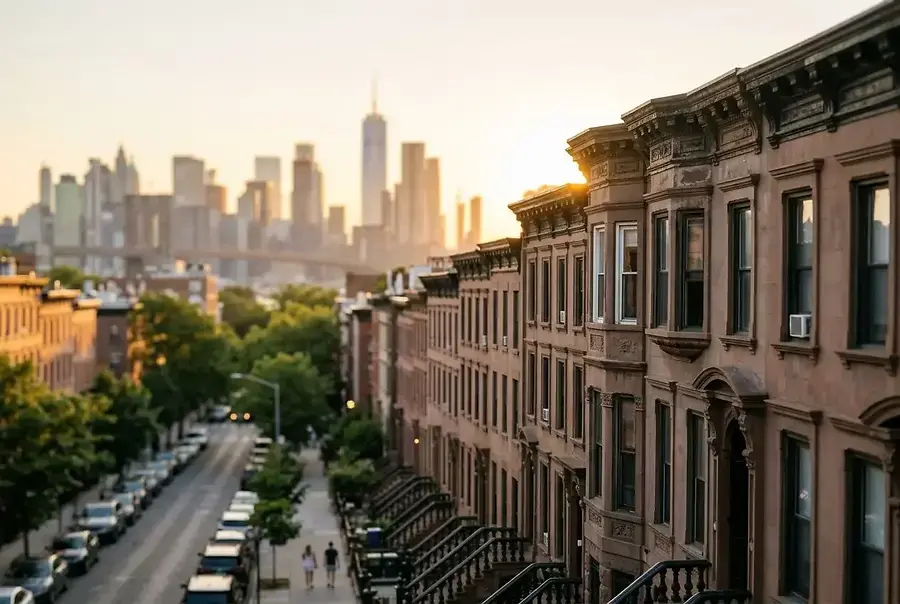
Introduction: Understanding the NYC Residential Market Landscape
New York City's residential real estate market remains one of the most dynamic and competitive in the nation. With five distinct boroughs, each offering unique characteristics, neighborhoods, and investment opportunities, understanding the current market landscape is essential for both buyers and investors. The NYC housing market has evolved significantly, with shifting demand patterns, changing buyer preferences, and emerging neighborhoods reshaping the traditional real estate hierarchy.
Whether you're a first-time homebuyer, an experienced investor, or simply curious about market trends, this comprehensive guide will help you navigate the complexities of NYC's residential market. From Manhattan's iconic neighborhoods to Brooklyn's trendy enclaves, Queens' diverse communities, the Bronx's emerging hotspots, and Staten Island's suburban appeal, each borough presents distinct opportunities and challenges.
Borough-by-Borough Analysis: Market Dynamics and Buyer Opportunities
Manhattan: The Premium Market Hub
Manhattan continues to command premium prices, with neighborhoods like the Upper West Side, Greenwich Village, and Tribeca leading the market. However, the landscape has shifted, with more affordable neighborhoods in Upper Manhattan and the Lower East Side attracting younger buyers and investors. Average prices remain elevated, but inventory levels have stabilized, creating more negotiating power for savvy buyers.
Key opportunities in Manhattan include:
- Emerging neighborhoods with strong development potential
- Rental properties with consistent income streams
- Luxury condos with modern amenities and services
- Historic brownstones in established neighborhoods
Brooklyn: The Trendsetter Borough
Brooklyn has transformed from a secondary market to a primary destination for homebuyers and investors. Neighborhoods like Williamsburg, Park Slope, and Prospect Heights have matured, while emerging areas like Sunset Park and Bed-Stuy continue to attract attention. The borough's diverse neighborhoods offer something for every budget and lifestyle.
Brooklyn's market strengths include:
- Vibrant cultural scenes and entertainment options
- Excellent public transportation connections
- Strong community development and revitalization efforts
- More affordable alternatives to Manhattan with comparable amenities
Queens: The Diverse Growth Engine
Queens represents the most diverse borough in terms of both population and real estate offerings. From Astoria's waterfront development to Forest Hills' residential charm, Queens provides exceptional value. The borough has seen increased investment in infrastructure and commercial development, driving residential demand and property appreciation.
Queens opportunities include:
- Waterfront properties with development potential
- Affordable family-friendly neighborhoods
- Growing commercial districts attracting young professionals
- Strong rental market fundamentals
The Bronx: The Emerging Frontier
The Bronx has emerged as the city's most undervalued borough, with neighborhoods like Mott Haven and Astoria Park experiencing significant revitalization. Investors and first-time buyers are discovering exceptional value and strong appreciation potential in this historically overlooked market.
Staten Island: The Suburban Alternative
Staten Island offers a suburban lifestyle within New York City, with spacious homes, yards, and a quieter pace of life. While traditionally separate from the broader NYC market, improved transportation connections have increased its appeal to commuters and families seeking more space.
Neighborhood Deep Dive: Local Features That Drive Property Values
Transportation Access and Connectivity
Proximity to subway stations, bus routes, and major transportation hubs significantly impacts property values. Neighborhoods with excellent transit connections command premium prices, while areas with improving transportation infrastructure offer strong investment potential. The quality and frequency of public transportation directly correlates with rental demand and property appreciation.
Schools and Educational Institutions
Family-oriented buyers prioritize school quality and proximity to educational institutions. Neighborhoods with highly-rated public schools, private school options, and universities attract premium prices. This factor remains one of the most consistent drivers of residential property values across all five boroughs.
Commercial Development and Job Centers
Neighborhoods near major employment centers, commercial districts, and emerging business hubs experience stronger demand and appreciation. The rise of remote work has somewhat diminished this factor, but proximity to restaurants, retail, and entertainment venues remains valuable.
Community Amenities and Lifestyle
Parks, cultural institutions, restaurants, and entertainment options significantly enhance neighborhood appeal. Buyers increasingly value walkability, green spaces, and vibrant community atmospheres. Neighborhoods with strong community identity and active cultural scenes command premium valuations.
Development Potential and Infrastructure Investment
Neighborhoods experiencing infrastructure improvements, new development projects, and urban revitalization initiatives offer strong investment potential. Areas with planned improvements in transportation, commercial development, or public spaces often see significant property appreciation as these projects come to fruition.
Conclusion: Positioning Yourself as a Local Real Estate Expert
Understanding NYC's residential market requires knowledge of each borough's unique characteristics, neighborhood dynamics, and investment potential. The market continues to evolve, with shifting preferences, demographic changes, and economic factors creating both challenges and opportunities.
Success in NYC real estate depends on:
- Staying informed about market trends and neighborhood developments
- Understanding the specific factors that drive value in different areas
- Recognizing emerging opportunities before they become mainstream
- Building relationships with local experts and community leaders
- Conducting thorough research before making investment decisions
The NYC residential market rewards informed, patient investors who understand local dynamics and recognize emerging opportunities.
Whether you're buying your first home, expanding your investment portfolio, or simply exploring market opportunities, the five boroughs of New York City offer diverse options to match virtually any budget and lifestyle preference. By understanding the unique characteristics of each borough and the factors that drive property values in specific neighborhoods, you can make informed decisions and position yourself for success in this dynamic market.