Understanding Oil City Property Taxes and Assessment Costs
Learn how property assessments and tax rates work in Oil City, PA, and discover strategies to reduce your tax burden.

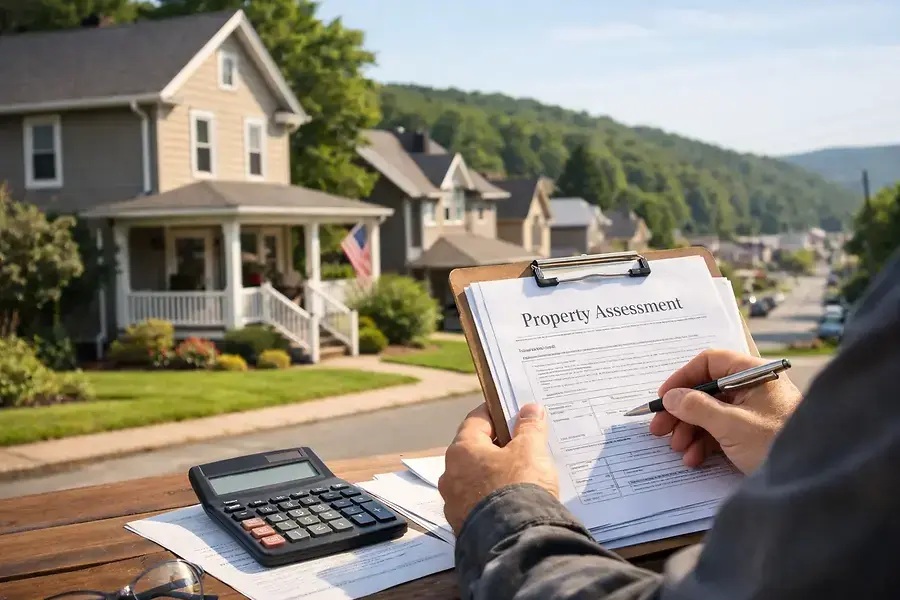
Understanding Oil City's Property Tax System
Property taxes are a significant expense for homeowners and business owners in Oil City, Pennsylvania. Understanding how this system works is essential for managing your finances and making informed decisions about your property. Oil City's property tax system is based on the assessed value of your property and the applicable tax rate set by local municipalities.
The property tax revenue generated in Oil City supports essential services including public schools, emergency services, road maintenance, and local government operations. Unlike income taxes, property taxes are based on the value of real estate you own, making it a stable and predictable revenue source for the community.
Key Components of Oil City Property Taxes
Several factors influence the amount of property tax you'll pay in Oil City:
- Assessed Value: The estimated market value of your property as determined by the county assessor
- Tax Rate: The millage rate set by local taxing authorities, expressed as dollars per $1,000 of assessed value
- Property Classification: Whether your property is residential, commercial, industrial, or agricultural
- Local Exemptions: Special programs that may reduce your tax liability based on age, disability, or other criteria
How Property Assessments Work in Pennsylvania
Property assessments are the foundation of Pennsylvania's property tax system. The assessed value determines your tax obligation, making it crucial to understand how assessors calculate this figure.
The Assessment Process
County assessors in Pennsylvania conduct periodic assessments to determine property values. These assessments typically occur every few years, though some counties use more frequent reassessment cycles. Assessors use several methods to determine value:
- Market Approach: Comparing your property to similar properties recently sold in the area
- Cost Approach: Calculating the cost to rebuild your property plus the land value
- Income Approach: For rental or commercial properties, analyzing the income generated by the property
Understanding Your Assessment Notice
When you receive your assessment notice, it will include important information about your property's assessed value. Take time to review this document carefully. Verify that the property description is accurate, including square footage, number of rooms, and any special features. Errors in these details can lead to an inflated assessment.
Common assessment errors include:
- Incorrect property dimensions or square footage
- Overstated number of bathrooms or bedrooms
- Failure to account for property condition or needed repairs
- Missing information about recent renovations or improvements
Strategies to Minimize Your Tax Burden
While you cannot eliminate property taxes, there are several legitimate strategies to reduce your tax burden in Oil City.
Challenge Your Assessment
If you believe your property has been overassessed, you have the right to challenge the assessment. This is one of the most effective ways to reduce your property taxes. Gather evidence such as recent appraisals, comparable property sales, and documentation of property condition issues. Many homeowners successfully reduce their assessments by 10-20% through the appeal process.
Explore Available Exemptions
Pennsylvania offers several property tax exemptions that may apply to your situation:
- Homestead Exemption: Available to owner-occupied residential properties, reducing the assessed value
- Senior Citizen Exemption: For property owners age 65 and older with limited income
- Disability Exemption: For disabled property owners meeting income requirements
- Agricultural Exemption: For properties actively used for farming or agricultural purposes
Maintain Your Property
Regular maintenance and timely repairs can help keep your property assessment reasonable. Properties in poor condition may receive lower assessments, but this approach is not recommended. Instead, maintaining your property in good condition demonstrates its true market value and can support your case if you need to appeal an assessment.
Consider Tax Assessment Services
Professional tax assessment services can help you navigate the appeal process. These experts understand local assessment practices and can identify overvaluation issues that you might miss. While there is a cost associated with these services, the potential tax savings often justify the investment.
Working with Local Assessors and Appeals Process
Building a positive relationship with your local assessor's office can be beneficial. These professionals are responsible for fair and accurate assessments, and they can answer questions about your property valuation.
Communicating with Your Assessor
If you have questions about your assessment, contact your local assessor's office. Provide documentation of any significant changes to your property, such as major repairs, renovations, or damage. Keeping assessors informed helps ensure your assessment remains accurate.
The Appeals Process
If you disagree with your assessment, Pennsylvania law provides an appeals process. The typical steps include:
- File a Complaint: Submit a formal complaint with your county board of assessment appeals within the specified timeframe
- Provide Evidence: Submit documentation supporting your claim that the assessment is incorrect
- Attend a Hearing: Present your case before the board of assessment appeals
- Receive a Decision: The board will issue a decision regarding your appeal
- Further Appeal: If unsatisfied, you may appeal to the Court of Common Pleas
Deadlines and Important Dates
Missing deadlines in the appeals process can result in losing your right to challenge an assessment. Mark your calendar when you receive your assessment notice and note the deadline for filing an appeal. These deadlines vary by county, so check with your local assessor's office for specific dates.
Pro Tip: Keep detailed records of your property improvements, repairs, and maintenance. This documentation will be invaluable if you need to appeal your assessment or work with a tax professional.
Moving Forward
Understanding Oil City's property tax system empowers you to make informed decisions about your property and finances. Whether you're a new homeowner or a long-time resident, taking time to review your assessment and explore available options can result in significant tax savings. Don't hesitate to reach out to local assessors or professional tax services if you need guidance navigating this important aspect of property ownership.


