Understanding Property Appraisals in Residential Real Estate
Learn how appraisals impact your home's value and what factors appraisers evaluate during inspections.

Introduction: The Critical Role of Appraisals in Home Sales
When you're buying or selling a home, one of the most important steps in the process is the property appraisal. An appraisal is an unbiased, professional assessment of a property's market value, conducted by a licensed appraiser. Whether you're a first-time homebuyer or a seasoned investor, understanding how appraisals work can significantly impact your real estate decisions and financial outcomes.
Property appraisals serve as a critical safeguard for lenders, buyers, and the overall real estate market. They ensure that the purchase price aligns with the actual value of the property, protecting all parties involved in the transaction. Without appraisals, buyers might overpay for properties, and lenders could face significant financial risks.
What Appraisers Evaluate: Key Factors That Determine Property Value
Physical Condition and Structure
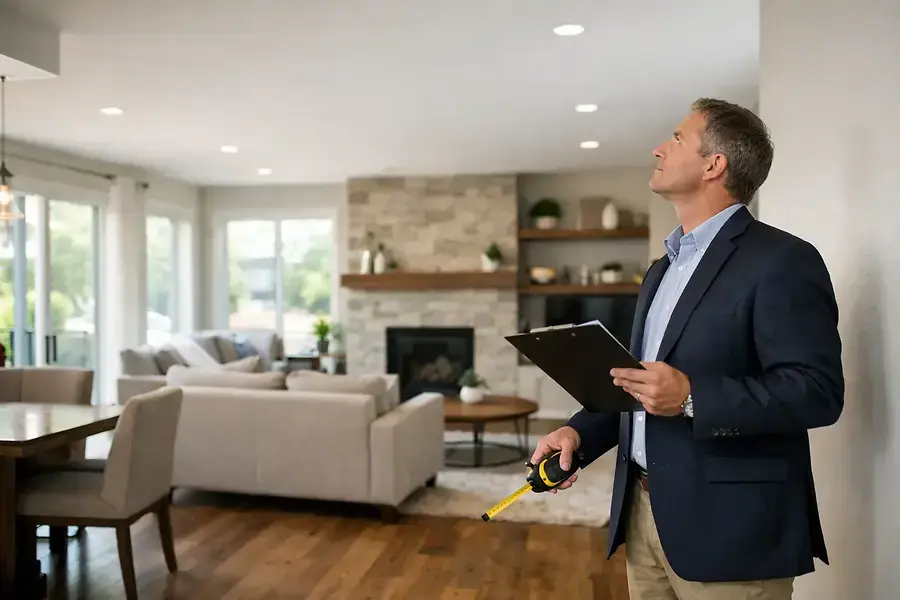
Appraisers begin by thoroughly inspecting the physical condition of the property. They examine the foundation, roof, walls, and overall structural integrity. Any signs of damage, wear, or needed repairs are documented and factored into the valuation. A well-maintained home typically receives a higher appraisal than one requiring significant repairs.
Location and Neighborhood Characteristics
The old real estate adage "location, location, location" holds true in appraisals. Appraisers evaluate the neighborhood's desirability, proximity to schools, shopping centers, public transportation, and employment hubs. They also consider factors such as:
- Crime rates and neighborhood safety
- School district quality and ratings
- Local amenities and recreational facilities
- Property tax rates and local regulations
- Future development plans in the area
Comparable Sales Analysis
One of the most important methods appraisers use is comparing your property to recently sold homes in the same area. These comparable properties (or "comps") should be similar in size, age, condition, and location. Appraisers analyze recent sales data to determine a fair market value for your home. This comparative market analysis is crucial in establishing an accurate appraisal value.
Interior Features and Amenities
Appraisers carefully assess the interior of the home, including:
- Number of bedrooms and bathrooms
- Kitchen quality and appliances
- Flooring materials and condition
- Lighting and electrical systems
- HVAC systems and energy efficiency
- Special features like fireplaces, pools, or updated systems
Modern upgrades and energy-efficient features can positively impact an appraisal, as they appeal to buyers and reduce utility costs.
Square Footage and Lot Size
The total livable square footage and lot size are fundamental factors in determining value. Appraisers measure the home's interior and evaluate the land's size and usability. Properties with larger lots or additional usable space typically command higher values.
How Appraisal Results Affect Buyers, Sellers, and Financing Decisions
Impact on Buyers
For buyers, an appraisal can be a double-edged sword. If the appraisal comes in higher than the purchase price, you're in a favorable position—you're getting a good deal. However, if the appraisal comes in lower than the agreed purchase price, you may need to renegotiate with the seller, increase your down payment, or walk away from the deal. This is why appraisals are critical for protecting your investment.
Impact on Sellers
Sellers should be aware that a low appraisal can derail a sale. If the property appraises below the listing price, the buyer's lender may refuse to finance the full purchase amount. Sellers may then need to lower their asking price or make repairs to justify the original price. Understanding your home's true market value before listing can help avoid appraisal surprises.
Lender Requirements and Financing Decisions
Lenders rely heavily on appraisals to determine how much they're willing to finance. Most lenders will only finance up to a certain percentage of the appraised value, typically 80-95% depending on the loan type. If an appraisal comes in low, the lender may reduce the loan amount, requiring the buyer to come up with additional cash or find alternative financing options.
"Appraisals protect lenders from lending more money than a property is worth, which helps maintain stability in the real estate market and protects both financial institutions and homeowners."
Conclusion: Preparing Your Home for a Successful Appraisal
Understanding property appraisals empowers you to make informed decisions in real estate transactions. Whether you're buying or selling, here are some tips to ensure a successful appraisal:
- For Sellers: Clean and declutter your home, make minor repairs, maintain your landscaping, and document recent upgrades or improvements.
- For Buyers: Get a pre-appraisal inspection to understand potential issues and negotiate accordingly.
- For Both: Research comparable properties in your area to understand realistic market values.
Property appraisals are an essential component of the real estate process that protects all parties involved. By understanding what appraisers evaluate and how their findings impact your transaction, you can navigate the home buying or selling process with greater confidence and clarity. Whether you're concerned about your home's valuation or planning your next real estate move, knowledge of appraisals is a valuable tool in your real estate toolkit.


