Understanding Property Appraisals in Residential Real Estate
Learn what appraisers evaluate and how to maximize your home's assessed value.

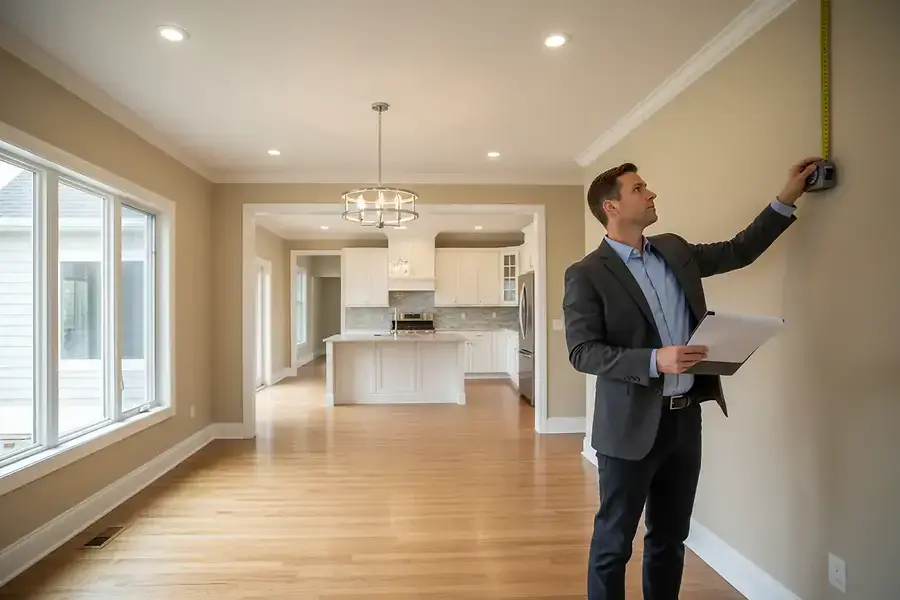
What Property Appraisers Look For in Residential Homes
Property appraisers are trained professionals who evaluate residential homes to determine their fair market value. Their assessments are crucial for lenders, buyers, and sellers alike. Understanding what appraisers examine can help you better prepare your home and understand the valuation process.
Structural Integrity and Foundation
One of the first things appraisers assess is the structural condition of your home. They examine the foundation, walls, roof, and overall framework to ensure there are no significant defects or damage. A solid foundation is essential because it affects the entire property's stability and longevity. Appraisers look for signs of settling, cracks, water damage, or pest infestations that could compromise the structure.
Interior and Exterior Condition
Appraisers conduct a thorough walkthrough of both the interior and exterior of your home. They evaluate:
- Flooring conditions and materials
- Paint, drywall, and wall coverings
- Kitchen and bathroom fixtures
- Appliances and their functionality
- Windows, doors, and hardware
- Landscaping and curb appeal
- Exterior siding and roofing materials
First impressions matter significantly in the appraisal process. A well-maintained exterior can positively influence an appraiser's overall assessment of the property.
Systems and Utilities
Appraisers also evaluate the home's mechanical systems, including electrical, plumbing, heating, cooling, and water systems. They verify that these systems are functioning properly and up to current building codes. Outdated or malfunctioning systems can negatively impact your home's appraised value.
How to Prepare Your Home for a Professional Appraisal
Clean and Declutter
Before the appraiser arrives, ensure your home is clean and well-organized. A clean home presents better and allows appraisers to see the property's true condition without distractions. Remove excess clutter from closets, cabinets, and living spaces. This also helps appraisers access areas they need to inspect.
Make Minor Repairs
Address any obvious maintenance issues before the appraisal. This includes:
- Fixing leaky faucets and running toilets
- Repainting walls with fresh, neutral colors
- Replacing broken light fixtures
- Repairing damaged flooring or carpeting
- Caulking gaps and cracks
- Ensuring all doors and windows operate smoothly
These minor repairs demonstrate that you've maintained your home properly and can positively influence the appraisal outcome.
Enhance Curb Appeal
The exterior of your home is the first thing an appraiser sees. Invest time in landscaping, trim overgrown bushes, plant fresh flowers, and ensure your lawn is well-maintained. A welcoming entrance sets a positive tone for the entire appraisal process. Consider power washing the driveway and exterior walls if needed.
Organize Documentation
Prepare documentation of any recent improvements, renovations, or repairs you've made to the property. Have receipts, permits, and contractor information readily available. This documentation can support a higher appraisal value by demonstrating your investment in the home's maintenance and upgrades.
Common Factors That Influence Residential Property Valuations
Location and Neighborhood
Location is one of the most significant factors in property valuation. Appraisers consider the neighborhood's desirability, proximity to schools, shopping centers, employment hubs, and public transportation. Properties in well-established neighborhoods with good schools typically command higher values. They also assess crime rates, property tax rates, and community amenities.
Comparable Sales
Appraisers use the sales comparison approach, which involves analyzing recent sales of similar properties in your area. These comparable properties help establish a baseline for your home's value. Homes with similar square footage, age, condition, and features in the same neighborhood provide the most relevant comparisons.
Square Footage and Layout
The total square footage of your home significantly impacts its value. Appraisers measure the living space and evaluate the layout's functionality. Open floor plans, efficient use of space, and logical room arrangements can positively influence valuations. Homes with more usable square footage generally appraise for higher values.
Age and Condition
While newer homes often appraise higher, well-maintained older homes can hold their value effectively. Appraisers assess the age of major systems like the roof, HVAC, plumbing, and electrical systems. Recent upgrades to these systems can significantly boost your home's appraised value. The overall condition and any deferred maintenance issues are carefully evaluated.
Special Features and Upgrades
Unique features can enhance your home's value. These may include:
- Updated kitchens and bathrooms
- Energy-efficient windows and insulation
- Smart home technology
- Hardwood flooring
- Outdoor living spaces like decks or patios
- Finished basements or bonus rooms
- Swimming pools or hot tubs
However, not all upgrades provide equal returns on investment, so appraisers evaluate whether improvements align with neighborhood standards.
Conclusion: Leveraging Appraisal Knowledge for Better Real Estate Decisions
Understanding property appraisals empowers you to make informed decisions in the real estate market. Whether you're selling, refinancing, or simply curious about your home's value, knowing what appraisers evaluate helps you present your property in the best possible light.
By maintaining your home, making strategic improvements, and understanding the factors that influence valuations, you can maximize your property's assessed value and make better real estate decisions.
Remember that appraisals are objective assessments based on established criteria and comparable market data. While you can't control all factors that influence value, you can control your home's condition and presentation. Take the time to prepare properly, and you'll be well-positioned to achieve the best possible appraisal outcome for your residential property.


