Understanding Property Appraisals: What Homeowners Need to Know
Learn how appraisals impact your home's value and what you can do to ensure an accurate assessment.

The Critical Role of Property Appraisals in Real Estate Transactions
Property appraisals are one of the most important components of any real estate transaction. Whether you're buying, selling, or refinancing your home, an appraisal determines the fair market value of your property. This assessment directly impacts loan amounts, insurance rates, and the overall success of your real estate goals.
For homeowners, understanding how appraisals work can mean the difference between getting the best deal and leaving money on the table. An accurate appraisal protects both buyers and lenders by ensuring that the property's value justifies the investment. Let's explore what you need to know about this critical process.
How Appraisals Work: The Process, Factors, and Professional Standards
The Appraisal Process
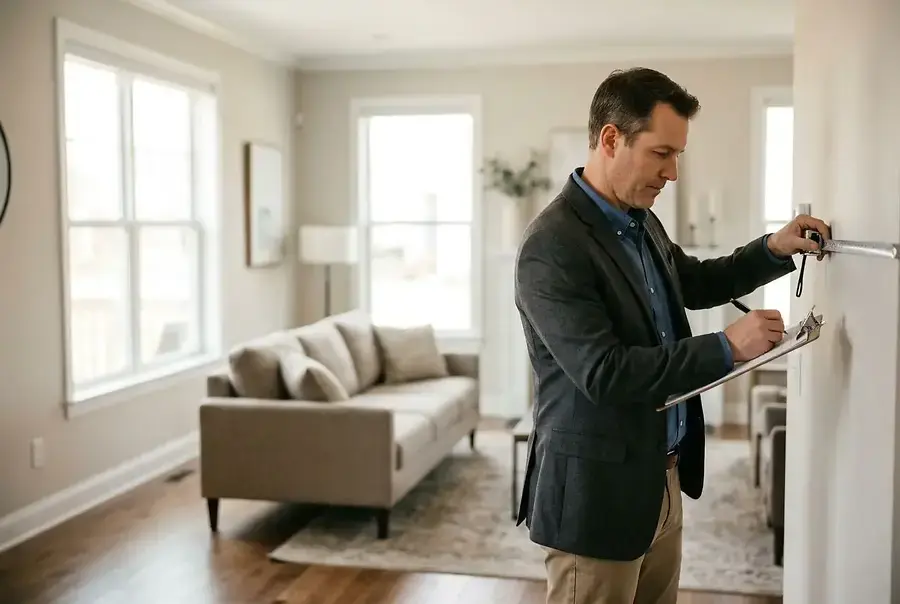
A professional appraiser conducts a thorough evaluation of your property, examining both the interior and exterior. The appraiser measures square footage, inspects structural integrity, evaluates the condition of systems like plumbing and electrical, and assesses the overall quality of construction. This comprehensive inspection typically takes one to three hours, depending on the property's size and complexity.
After the physical inspection, the appraiser researches comparable properties in your area that have sold recently. These "comps" are essential for determining your home's market value. The appraiser compares your property's features, condition, and location to similar homes to arrive at a fair valuation.
Key Factors That Influence Your Home's Value
Several factors significantly impact how an appraiser values your property:
- Location and Neighborhood: Proximity to schools, employment centers, and amenities affects value. Safe neighborhoods with good schools typically command higher prices.
- Property Condition: The age and condition of your home, roof, foundation, and major systems are critical. Well-maintained homes receive higher valuations.
- Size and Layout: Square footage, number of bedrooms and bathrooms, and functional floor plans influence appraisal values.
- Market Conditions: Current supply and demand in your area, interest rates, and economic factors shape the overall market value.
- Upgrades and Improvements: Modern kitchens, updated bathrooms, energy-efficient features, and quality renovations can increase your home's appraised value.
- Comparable Sales: Recent sales of similar properties in your neighborhood provide the benchmark for valuation.
Professional Standards and Appraisal Accuracy
Licensed appraisers must follow the Uniform Standards of Professional Appraisal Practice (USPAP) to ensure consistency and accuracy. These standards require appraisers to be impartial, conduct thorough inspections, and base their valuations on solid market data. This professional framework protects homeowners and lenders alike.
Appraisers are required to disclose any potential conflicts of interest and cannot have financial incentives tied to specific appraisal outcomes. This independence is crucial for maintaining the integrity of the appraisal process.
Preparing Your Home for Appraisal: Practical Steps to Maximize Your Property's Assessed Value
Enhance Curb Appeal
First impressions matter. The appraiser's initial assessment begins at the curb. Invest in your home's exterior:
- Maintain a well-manicured lawn and landscaping
- Paint the front door and trim if needed
- Ensure the roof is in good condition
- Clean windows and gutters
- Repair any visible exterior damage
Address Interior Maintenance Issues
The appraiser will inspect every room and system in your home. Before the appraisal, address these common issues:
- Fix leaky faucets and plumbing problems
- Repair broken windows or damaged walls
- Ensure all electrical outlets and switches work properly
- Test heating and cooling systems
- Replace missing or damaged flooring
- Address any signs of water damage or mold
Declutter and Clean Thoroughly
A clean, organized home makes a positive impression. Deep clean your entire property: Remove personal clutter, organize closets, clean carpets, and ensure bathrooms are spotless. While the appraiser is evaluating the structure, not your décor, a well-maintained space suggests the home has been properly cared for.
Document Recent Improvements
Gather documentation for any recent upgrades or renovations. Provide the appraiser with:
- Receipts and permits for major renovations
- Records of new roof, HVAC, or plumbing installations
- Energy-efficient upgrades like new windows or insulation
- Kitchen or bathroom remodeling documentation
These records help the appraiser understand the quality and recency of improvements, which can positively impact your home's valuation.
Provide Accurate Information
When the appraiser arrives, be prepared to provide accurate information about your home. Have ready:
- Square footage documentation
- Details about any additions or renovations
- Information about recent major system replacements
- Neighborhood amenities and proximity to schools or transit
Honest, detailed information helps the appraiser make an accurate assessment and prevents undervaluation due to missing information.
Empowering Yourself with Appraisal Knowledge for Better Real Estate Decisions
Understanding property appraisals empowers you to make informed decisions about your real estate investments. By knowing how appraisals work and what factors influence your home's value, you can take proactive steps to maximize your property's worth.
Remember that appraisals are not just about getting the highest number—they're about ensuring a fair, accurate assessment that protects all parties involved in the transaction. Whether you're preparing for a sale, refinance, or simply want to understand your home's current value, the knowledge you've gained here will serve you well.
Take action today: Review your home's condition, address any maintenance issues, and prepare documentation of recent improvements. When appraisal day arrives, you'll be ready to present your property in its best light and ensure an accurate valuation that reflects your home's true worth.


