Understanding Property Inspection Reports Before Making an Offer
Learn what home inspectors look for and how to use inspection results to negotiate confidently.

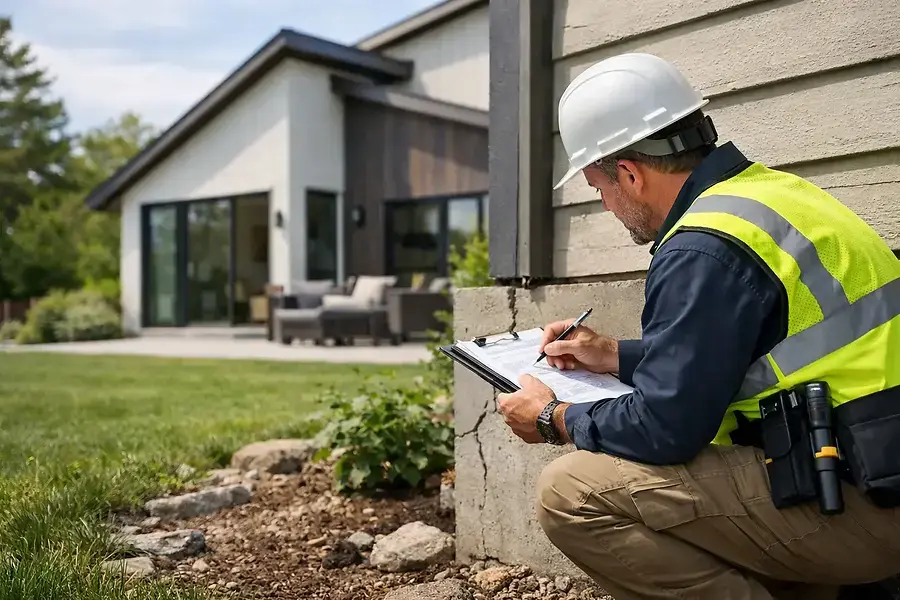
Why Property Inspections Matter in Your Purchase Decision
Purchasing a property is one of the most significant financial decisions you'll make in your lifetime. Before committing to an offer, understanding the true condition of a home is essential. A professional property inspection serves as your safeguard, providing an objective assessment of the property's structural integrity, systems, and safety features.
Many first-time buyers underestimate the importance of inspections, viewing them as an optional expense. However, a thorough inspection can reveal hidden problems that could cost thousands of dollars to repair after purchase. By investing in a professional inspection before making an offer, you gain valuable leverage in negotiations and protect yourself from costly surprises down the road.
The inspection process gives you three critical advantages:
- Identifying potential problems before they become your financial responsibility
- Obtaining documented evidence to support price negotiations
- Making an informed decision about whether to proceed with the purchase
What Professional Inspectors Examine: Systems, Structures, and Safety
Structural Components
Professional home inspectors begin by evaluating the foundation, walls, and overall structural integrity of the property. They look for signs of settling, cracks, water damage, and structural movement that could indicate serious problems. The roof condition, including shingles, flashing, and gutters, receives careful attention since roof repairs can be expensive.
Mechanical Systems
Inspectors thoroughly examine the heating and cooling systems, plumbing, and electrical systems. They test HVAC units to ensure they operate efficiently, check for water pressure and drainage issues, and verify that electrical panels and wiring meet current safety standards. These systems are critical to daily living and can be costly to replace.
Interior and Exterior Elements
The inspection includes windows, doors, insulation, and ventilation systems. Inspectors assess the condition of flooring, walls, and ceilings, looking for water damage, mold, or pest infestations. Exterior elements like siding, decks, and drainage systems are evaluated for proper function and safety.
Safety and Environmental Concerns
Modern inspections often include testing for hazardous materials such as asbestos, lead paint, and radon. Inspectors also check for proper ventilation, carbon monoxide detectors, and fire safety features. These environmental and safety assessments are crucial for protecting your family's health and well-being.
Reading Your Inspection Report: Identifying Major Issues vs. Minor Repairs
Understanding Report Structure
A comprehensive inspection report is typically organized by system or area of the home. Each section includes observations, photographs, and recommendations. Reports often use a rating system to categorize findings, making it easier to distinguish between minor maintenance items and significant concerns.
Major Issues That Affect Your Offer
Major issues are those that:
- Pose safety risks to occupants
- Require immediate repair to prevent further damage
- Will cost $5,000 or more to address
- Affect the home's structural integrity or primary systems
Examples include foundation cracks, roof replacement needs, failing HVAC systems, outdated electrical panels, and significant plumbing issues. These findings provide strong negotiating points and may warrant requesting price reductions or requesting that the seller complete repairs before closing.
Minor Repairs and Maintenance Items
Minor issues are typically cosmetic or involve routine maintenance. These might include caulking around windows, repainting, replacing weatherstripping, or minor plumbing adjustments. While these items should be noted, they generally don't significantly impact your negotiating position unless they accumulate into a pattern of poor maintenance.
Using the Report for Negotiation
Once you receive the inspection report, you have several options. You can request that the seller address major issues before closing, ask for a price reduction to cover repair costs, or request a credit at closing. The key is presenting your requests professionally and backed by the inspector's documented findings.
Pro Tip: Have your real estate agent review the inspection report with you. They can help prioritize concerns and determine which issues are worth negotiating based on local market conditions and comparable properties.
When to Walk Away
Sometimes an inspection reveals problems so significant that proceeding with the purchase isn't wise. If the home has multiple major issues, structural problems, or environmental hazards that would require extensive remediation, it may be better to continue your search for another property. Your inspection contingency clause protects your ability to withdraw from the offer without penalty.
Using Inspection Findings to Make Informed Offers
The inspection report transforms your offer from a blind commitment into an informed decision. By understanding what inspectors examine and how to interpret their findings, you position yourself as a knowledgeable buyer ready to negotiate fairly.
Remember that inspection results are negotiable. Don't accept the first response from the seller—use the documented findings as the basis for productive discussions. Whether you're requesting repairs, price adjustments, or credits, your inspection report provides the evidence needed to support your position.
Ultimately, a professional property inspection is an investment in your peace of mind and financial security. It empowers you to make decisions based on facts rather than assumptions, ensuring that your new home is a sound investment for years to come.


