Understanding Property Inspection Reports for Residential Buyers
Learn what home inspectors look for and how to interpret findings before making your purchase decision.

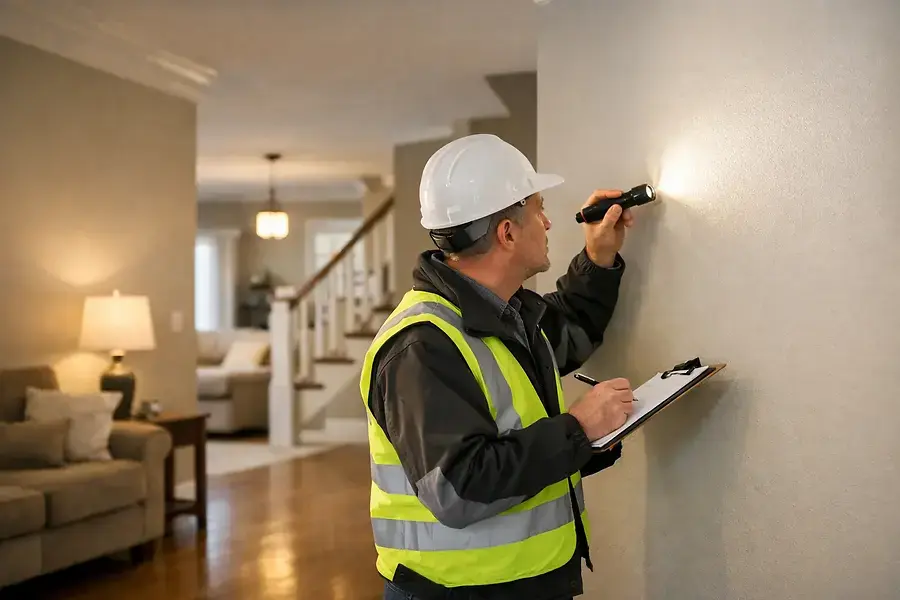
Why Home Inspections Matter in Residential Purchases
Purchasing a home is one of the most significant financial decisions you'll make in your lifetime. Before committing to such a substantial investment, understanding the condition of the property is crucial. A professional home inspection serves as your objective assessment of the property's structural integrity, systems, and overall condition.
Home inspections provide several critical benefits for residential buyers:
- Protection of your investment: Identifying potential issues before purchase helps you avoid costly surprises after closing.
- Negotiating power: Inspection findings give you leverage to request repairs, credits, or price reductions.
- Peace of mind: Understanding the property's condition allows you to make informed decisions with confidence.
- Future planning: Knowing about upcoming maintenance needs helps you budget for repairs and replacements.
A thorough inspection report becomes your roadmap for understanding what you're actually purchasing and what to expect in the years ahead.
What Professional Inspectors Examine and Report
Structural Components
Home inspectors begin by evaluating the foundation, framing, and overall structural integrity of the property. They look for signs of settling, cracks, water damage, and structural deterioration that could affect the home's stability and safety.
Roofing and Exterior
The roof is one of your home's most critical protective features. Inspectors examine shingles, flashing, gutters, and drainage systems. They also assess siding, windows, doors, and exterior caulking to identify weathering, damage, or areas needing maintenance.
Plumbing Systems
Inspectors test water pressure, check for leaks, examine pipe materials, and assess the condition of fixtures. They evaluate the water heater, septic system (if applicable), and drainage to ensure everything functions properly. Older homes may have outdated plumbing materials that could require future replacement.
Electrical Systems
A comprehensive electrical inspection includes checking the panel, circuit breakers, outlets, and wiring. Inspectors verify that the system meets current safety standards and can handle the home's electrical demands. Outdated or unsafe electrical systems are serious concerns that must be addressed.
HVAC Systems
Heating, ventilation, and air conditioning systems are tested for proper operation and efficiency. Inspectors assess the age of equipment, maintenance history, and whether systems are appropriately sized for the home.
Interior Components
Inspectors examine walls, ceilings, floors, doors, windows, and built-in appliances. They look for water damage, mold, pest evidence, and structural issues that might indicate larger problems.
How to Interpret Common Inspection Findings and Negotiate Repairs
Understanding Inspection Report Language
Inspection reports typically categorize findings using terms like:
- Safety Hazard: Issues that pose immediate danger and require urgent attention.
- Major Defect: Significant problems affecting functionality or durability.
- Minor Issue: Small problems that don't significantly impact the home's use.
- Maintenance Recommendation: Suggested upkeep to prevent future problems.
Prioritizing Findings
Not all inspection findings require immediate action. Focus on safety hazards and major defects first. These might include structural issues, electrical problems, plumbing failures, or roof leaks. Minor cosmetic issues or routine maintenance recommendations can often be addressed after purchase or negotiated as credits.
Negotiation Strategies
Once you receive the inspection report, you have several options:
- Request repairs: Ask the seller to fix major issues before closing.
- Request credits: Negotiate a credit toward closing costs to handle repairs yourself.
- Request price reduction: Ask for a lower purchase price reflecting the cost of repairs.
- Walk away: If issues are too extensive or costly, you may choose not to proceed.
When negotiating, obtain repair estimates from licensed contractors. This gives you concrete numbers to discuss with the seller and their agent.
Remember that sellers are typically responsible for disclosing known issues, and inspection findings may reveal problems they should have disclosed.
Working with Inspectors and Contractors
Don't hesitate to ask your inspector questions during the walkthrough. Request clarification on findings, understand the severity of issues, and ask about recommended timelines for repairs. For major concerns, consider obtaining a second opinion from a specialist contractor before making final decisions.
Using Inspection Reports to Make Confident Buying Decisions
A comprehensive home inspection report is your tool for making an informed purchase decision. Rather than viewing inspection findings as deal-breakers, consider them as information that helps you understand exactly what you're buying.
Use the inspection report to:
- Understand the true condition of the property beyond its appearance.
- Identify which issues are urgent versus those that can wait.
- Budget for necessary repairs and future maintenance.
- Make informed negotiations with the seller.
- Plan your first-year homeowner priorities and expenses.
Every home has some issues—age and wear are inevitable. The key is knowing what those issues are and making your purchase decision with full knowledge of the property's condition. A professional home inspection provides that essential clarity, transforming you from a hopeful buyer into a confident, informed homeowner ready to make the best decision for your family and your financial future.