Understanding Property Inspections: What Every Home Buyer Should Know
Learn what professional inspectors check and how inspection reports protect your biggest investment.

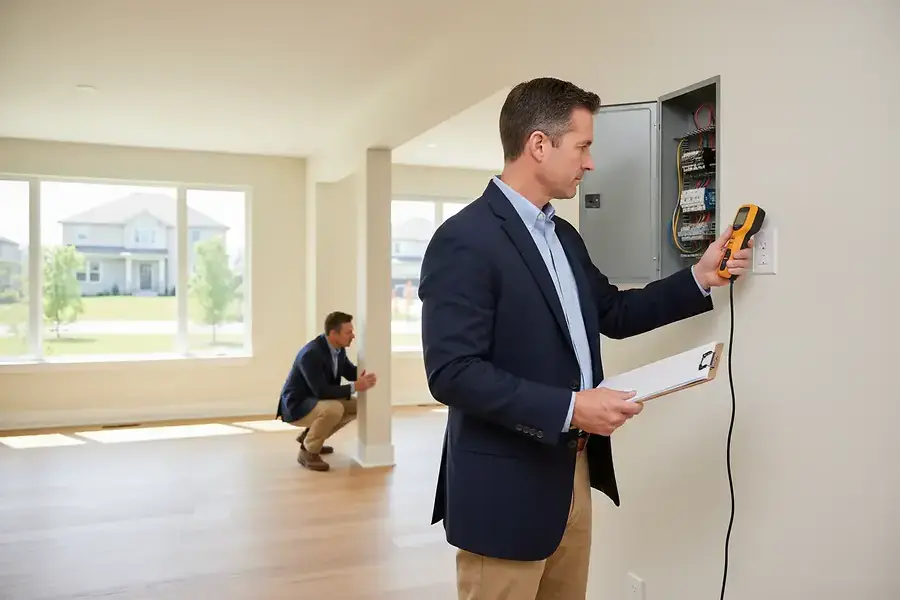
Why Property Inspections Are Essential for Home Buyers
Purchasing a home is one of the most significant financial decisions you'll ever make. Before committing to such a substantial investment, it's crucial to understand exactly what you're buying. This is where professional property inspections become invaluable. A thorough home inspection provides an objective assessment of a property's condition, revealing potential issues that could affect your safety, comfort, and financial well-being.
Many home buyers mistakenly believe that a property's appearance indicates its true condition. However, structural problems, electrical hazards, plumbing issues, and other defects can hide behind walls and under floors. A professional inspector acts as your advocate, identifying these hidden concerns before you sign on the dotted line. This knowledge empowers you to negotiate repairs, request credits, or make an informed decision about whether to proceed with the purchase.
Without an inspection, you could inherit expensive problems that weren't immediately visible. By investing in a professional inspection, you're protecting yourself from costly surprises and ensuring that your new home is safe and sound.
What Professional Inspectors Look For During a Home Inspection
Structural Components
Professional inspectors begin by examining the home's foundation and structural integrity. They look for:
- Cracks in the foundation or basement walls
- Signs of settling or shifting
- Water damage or moisture intrusion
- Proper grading around the foundation
A compromised foundation can lead to serious problems down the road, making this assessment critical to your purchase decision.
Roof and Exterior
The roof is your home's first line of defense against the elements. Inspectors evaluate:
- Roof age and remaining lifespan
- Missing, damaged, or deteriorating shingles
- Proper ventilation and flashing
- Gutters and downspouts condition
- Siding, windows, and doors integrity
Roof repairs or replacement can be expensive, so understanding its condition is essential for budgeting future maintenance.
Electrical Systems
A safe electrical system is paramount. Inspectors check:
- Panel capacity and condition
- Proper grounding and bonding
- Outlet and switch functionality
- Presence of outdated wiring (such as aluminum or knob-and-tube)
- GFCI protection in wet areas
Electrical issues pose serious safety risks, including fire hazards, so this inspection component is particularly important.
Plumbing and Water Systems
Water-related problems can be costly and damaging. Inspectors examine:
- Water pressure and flow
- Pipe material and condition
- Presence of leaks or water stains
- Water heater age and functionality
- Septic system or sewer line condition (if applicable)
HVAC Systems
Heating, ventilation, and air conditioning systems are essential for comfort. Inspectors assess:
- Furnace or heat pump age and condition
- Air conditioning unit functionality
- Ductwork integrity
- Thermostat operation
Interior Components
Inspectors also evaluate interior elements, including:
- Walls, ceilings, and floors for damage or deterioration
- Doors and windows operation
- Insulation levels
- Presence of mold or pest damage
- Appliances (if included in the sale)
How to Read and Respond to Inspection Reports and Findings
Understanding the Report Structure
Professional inspection reports typically organize findings by category and severity level. Most reports use a classification system such as:
- Safety Issues: Problems that pose immediate danger
- Major Repairs: Significant defects requiring professional attention
- Minor Issues: Small problems that may need attention eventually
- Maintenance Recommendations: Suggested upkeep to prevent future problems
Take time to thoroughly review each section and ask your inspector to clarify any findings you don't understand.
Prioritizing Your Response
Not all inspection findings require the same level of urgency. Focus first on safety issues and major structural problems that could affect the home's habitability or value. Minor cosmetic issues or routine maintenance items are typically less critical.
Consider the cost of repairs and whether they're within your budget. Some issues may be deal-breakers, while others might be acceptable if the purchase price reflects the necessary repairs.
Negotiation Strategies
Once you have the inspection report, you have several options:
- Request repairs: Ask the seller to fix identified issues before closing
- Request credits: Negotiate a price reduction to cover repair costs yourself
- Request inspections: Ask for specialized inspections (pest, radon, mold) if concerns arise
- Renegotiate the price: Use findings to justify a lower offer
- Walk away: If issues are too severe or costly, you may choose not to proceed
Your real estate agent and inspector can provide valuable guidance on which approach makes sense for your situation.
Post-Purchase Considerations
Even after closing, keep your inspection report handy. It serves as a baseline for your home's condition and can be valuable when:
- Planning future renovations or upgrades
- Filing insurance claims
- Selling the property later
- Addressing warranty claims with contractors
Using Inspection Data to Make Confident Purchase Decisions
A professional home inspection is more than just a formality—it's a critical tool that empowers you to make informed decisions about one of life's biggest purchases. By understanding what inspectors look for and how to interpret their findings, you gain valuable insight into your potential home's true condition.
Armed with inspection data, you can:
- Identify deal-breakers before committing to a purchase
- Negotiate more effectively with sellers
- Budget for necessary repairs and maintenance
- Plan long-term home improvement projects
- Ensure your family's safety and comfort
Remember, a thorough inspection is an investment in peace of mind. The cost of a professional inspection is minimal compared to the potential savings from discovering major problems early. Whether you're a first-time buyer or an experienced homeowner, prioritizing a comprehensive property inspection demonstrates smart financial planning and protects your most valuable asset.
Take the time to review your inspection report carefully, ask questions, and use the findings to guide your purchase decision. Your future self will thank you for the diligence you invest today.