Understanding Property Tax Assessments and Your Home's Value
Learn how local tax assessments impact your property valuation and what you can do to protect your investment.

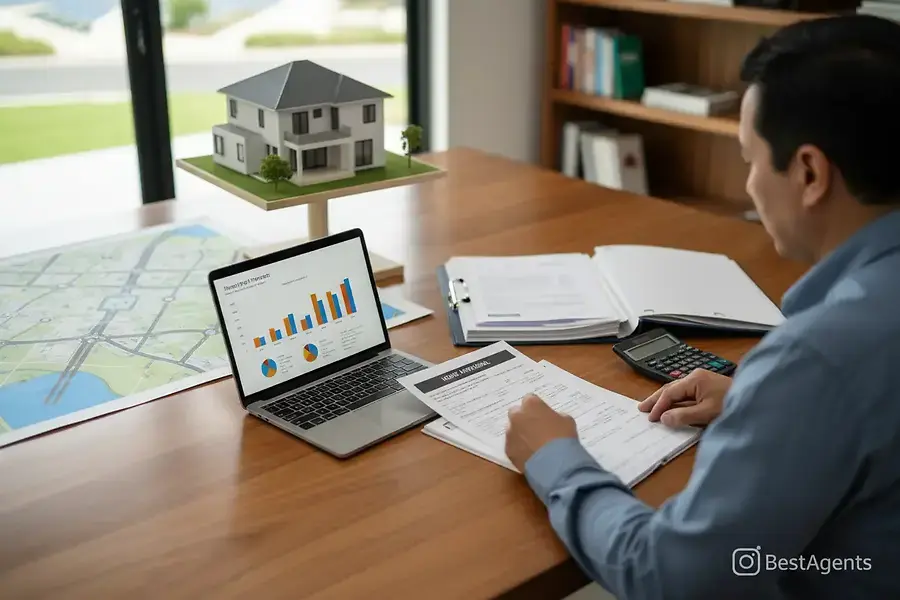
Introduction: The Connection Between Property Taxes and Home Values
Property taxes are one of the most significant ongoing expenses for homeowners, yet many people don't fully understand how they're calculated or how they affect their property's overall value. Your local tax assessment directly influences the amount you'll pay in property taxes each year, making it crucial to understand this process. Unlike mortgage payments that eventually end, property taxes continue for as long as you own your home, making them a permanent part of your financial obligation as a property owner.
The relationship between property tax assessments and home values is more complex than many realize. A higher assessment doesn't necessarily mean your home is worth more in the real estate market—it simply means you'll pay more in taxes. Understanding this distinction is essential for protecting your investment and ensuring you're not overpaying.
How Tax Assessments Are Calculated and What Factors Influence Them
The Assessment Process
Property tax assessments are typically conducted by county or municipal assessors who evaluate your property to determine its taxable value. This value is then multiplied by the local tax rate to calculate your annual property tax bill. The assessment process varies by location, but most assessors use one of three approaches:
- The Sales Comparison Approach: Comparing your property to similar homes recently sold in your area
- The Cost Approach: Calculating the cost to rebuild your home from scratch, plus the land value
- The Income Approach: Determining value based on rental income potential (primarily for investment properties)
Key Factors That Influence Your Assessment
Several factors can significantly impact your property tax assessment. Understanding these elements helps you identify potential errors or unfair valuations:
- Property Size and Square Footage: Larger homes typically receive higher assessments
- Land Value: Location, lot size, and neighborhood desirability affect land valuation
- Age and Condition: Newer homes or those in excellent condition may be assessed higher
- Improvements and Upgrades: Recent renovations, additions, or major improvements increase assessed value
- Market Trends: Rising property values in your area can lead to higher assessments
- Comparable Sales: Recent sales of similar properties in your neighborhood influence assessments
Common Assessment Errors
Assessors are human and make mistakes. Common errors include incorrect square footage measurements, miscalculation of lot size, failure to account for property damage or deterioration, or incorrect classification of your property type. These errors can result in inflated assessments and unnecessarily high tax bills.
Strategies for Challenging Unfair Assessments and Reducing Tax Burden
Review Your Assessment Notice
The first step in protecting yourself is carefully reviewing the assessment notice you receive from your local assessor's office. Check that all property details are accurate: square footage, number of rooms, lot size, and any listed improvements. Look for discrepancies that could indicate errors. If you find mistakes, document them thoroughly with photos and measurements.
Research Comparable Properties
Gather information about similar properties in your neighborhood that have recently sold. Public records typically show sale prices and property details. If comparable homes sold for significantly less than your assessed value, you have strong evidence to support a challenge. Real estate websites and county assessor databases are valuable resources for this research.
File a Formal Appeal
Most jurisdictions have a formal appeal process with specific deadlines. You'll typically need to submit your challenge in writing, including evidence of errors or comparable sales data. Many areas require appeals to be filed within a specific timeframe after receiving your assessment notice—often 30 to 60 days. Missing this deadline can prevent you from challenging the assessment.
"Taking the time to review your assessment and challenge unfair valuations can save you thousands of dollars over the life of your homeownership."
Attend the Assessment Review Board Hearing
If you file an appeal, you'll typically have the opportunity to present your case before an assessment review board. Prepare a clear, organized presentation with supporting documentation. Bring photos of your property's condition, comparable sales data, and any evidence of assessment errors. Professional appraisals can strengthen your case, though they involve additional costs.
Consider Professional Help
For significant assessment disputes, hiring a property tax consultant or attorney may be worthwhile. These professionals understand local assessment practices and appeal procedures, and they often have established relationships with assessors and review boards. While professional fees apply, the potential savings can justify the expense for high-value properties.
Monitor Your Assessment Annually
Don't wait until you receive a notice to review your assessment. Check your property's assessed value annually through your local assessor's website. Early detection of errors or suspicious increases allows you to address issues promptly. Set a calendar reminder to review your assessment each year.
Document Property Maintenance Issues
If your home has significant maintenance issues, structural problems, or damage, document these thoroughly with photos and written descriptions. These conditions should reduce your assessed value. Keep records of any major repairs or improvements as well, as these can justify assessment changes.
Conclusion: Taking Control of Your Property's Financial Future
Property tax assessments significantly impact your financial obligations as a homeowner, but you're not powerless in this process. By understanding how assessments work, regularly reviewing your property's valuation, and knowing how to challenge unfair assessments, you can protect your investment and potentially reduce your tax burden substantially.
The key is staying informed and proactive. Don't assume your assessment is accurate simply because it came from an official source. Take time to review the details, research comparable properties, and file appeals when warranted. The effort you invest in understanding and challenging your property tax assessment can result in significant long-term savings and help ensure your home's value is fairly represented in your community's tax system.
Remember, your home is likely your largest financial investment. Protecting it from inflated tax assessments is an important part of responsible property ownership and financial planning.