Understanding Property Tax Assessments in NC's Triangle and Coastal Counties
Learn how property taxes are calculated and what you can expect to pay in Raleigh, Durham, Chapel Hill, Wilmington, and surrounding communities.

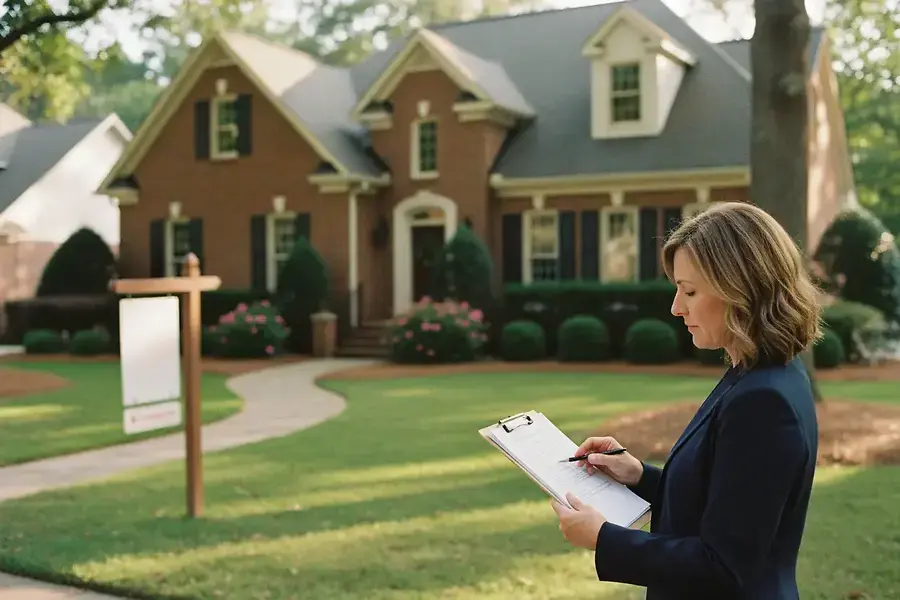
How Property Tax Assessments Work in North Carolina
Property tax assessments in North Carolina are a critical component of homeownership that many new residents don't fully understand. The process begins with the county assessor's office, which determines the fair market value of your property. This assessment forms the foundation for calculating your annual property tax bill.
In North Carolina, property assessments are based on the appraised value of your home, which includes the land and any structures on it. The county assessor conducts periodic revaluations to ensure that property values reflect current market conditions. These revaluations typically occur every four to eight years, depending on the county.
The Assessment Process
The assessment process involves several key steps:
- Property Inspection: Assessors may visit your property to verify details such as square footage, number of rooms, and condition of the structure.
- Market Analysis: Assessors compare your property to similar homes that have recently sold in your area.
- Value Determination: Based on the inspection and market analysis, the assessor assigns a fair market value to your property.
- Notification: You receive a notice of assessed value, which you can review and challenge if necessary.
Once the assessed value is determined, your property tax is calculated by multiplying this value by the tax rate set by your county and municipality. The tax rate varies significantly across different regions in North Carolina.
Property Tax Rates Across the Triangle and Coastal Regions
North Carolina's Triangle region—comprising Raleigh, Durham, and Chapel Hill—and the coastal counties each have distinct tax rates that reflect local government funding needs and property values.
Triangle Region Tax Rates
Raleigh (Wake County) has a combined county and city tax rate that typically ranges from 0.85% to 0.95% of assessed property value. This moderate rate reflects the area's growing population and robust tax base.
Durham County and the City of Durham maintain similar rates, generally between 0.80% and 0.90%. The area's diverse economy and expanding tech sector contribute to a stable tax environment.
Chapel Hill (Orange County) features rates around 0.75% to 0.85%, making it one of the more affordable areas in the Triangle for property taxes. The presence of the University of North Carolina influences the local tax structure.
Coastal Region Tax Rates
Wilmington (New Hanover County) and surrounding coastal communities typically have tax rates between 0.80% and 0.95%. Coastal properties may face additional considerations, including flood insurance requirements that affect overall homeownership costs.
It's important to note that these rates can change annually as local governments adjust their budgets. Additionally, homestead exemptions may be available to primary residents, potentially reducing your tax burden by a percentage of your home's assessed value.
Tips for Appealing Your Assessment and Reducing Your Tax Burden
If you believe your property assessment is inaccurate, you have the right to appeal. Here are practical steps to consider:
Review Your Assessment Notice
Carefully examine the assessed value on your notice. Check for errors in property details such as square footage, number of bedrooms, or lot size. Simple mistakes can significantly impact your assessment.
Gather Comparable Sales Data
Research recent sales of similar properties in your neighborhood. If comparable homes sold for less than your assessed value, this data strengthens your appeal case. Real estate websites and county records are valuable resources.
Document Property Issues
If your home has structural problems, outdated systems, or deferred maintenance, document these issues with photos and written descriptions. These factors can justify a lower assessment.
File Your Appeal
Most counties have a formal appeal process with specific deadlines. Contact your county assessor's office for details on filing procedures and deadlines. Many counties offer informal conferences before formal hearings.
Consider Professional Help
For valuable properties or complex situations, hiring a property tax consultant or attorney may be worthwhile. These professionals understand local assessment practices and can effectively present your case.
Additional Tax Reduction Strategies
- Homestead Exemptions: Verify that you're receiving any available exemptions for primary residences.
- Senior Exemptions: If you're over 65, you may qualify for additional tax relief programs.
- Disability Exemptions: Disabled homeowners may be eligible for special exemptions in some counties.
- Agricultural Use: If your property qualifies for agricultural use, you may receive preferential assessment rates.
Planning Your Budget: Property Taxes as Part of Your Total Homeownership Costs
Property taxes are just one component of your overall homeownership expenses. Understanding how they fit into your budget is essential for financial planning.
Calculating Your Annual Property Tax
To estimate your property tax, use this simple formula:
Assessed Value × Tax Rate = Annual Property Tax
For example, a home assessed at $300,000 in Raleigh with a tax rate of 0.90% would result in an annual property tax of $2,700.
Budgeting for Property Taxes
When planning your homeownership budget, remember that property taxes typically increase over time as property values appreciate. Set aside funds for potential tax increases, especially if you're in a rapidly developing area like the Triangle.
If you have a mortgage, your lender may require you to pay property taxes through an escrow account, where monthly payments are collected and taxes are paid on your behalf. This ensures taxes are paid on time and protects the lender's investment.
Total Homeownership Costs
Property taxes should be considered alongside other homeownership expenses:
- Mortgage payments (principal and interest)
- Homeowners insurance
- Utilities and maintenance
- HOA fees (if applicable)
- Property taxes
A common rule of thumb is that property taxes represent 10-15% of your total monthly housing costs, though this varies by location and property value.
Planning for the Future
As you plan your long-term finances, factor in potential property tax increases. Research your county's historical tax rate trends and property value appreciation rates. This information helps you make informed decisions about purchasing property in the Triangle or coastal regions.
Understanding property tax assessments empowers you to make better financial decisions and take advantage of available tax relief programs. Whether you're a new homeowner or a long-time resident in North Carolina's Triangle or coastal communities, staying informed about your property taxes ensures you're paying your fair share—no more, no less.


