Understanding Property Tax Assessments in NY Residential Real Estate
Learn how property tax assessments work and strategies to protect your investment value across Brooklyn, Manhattan, and Long Island.

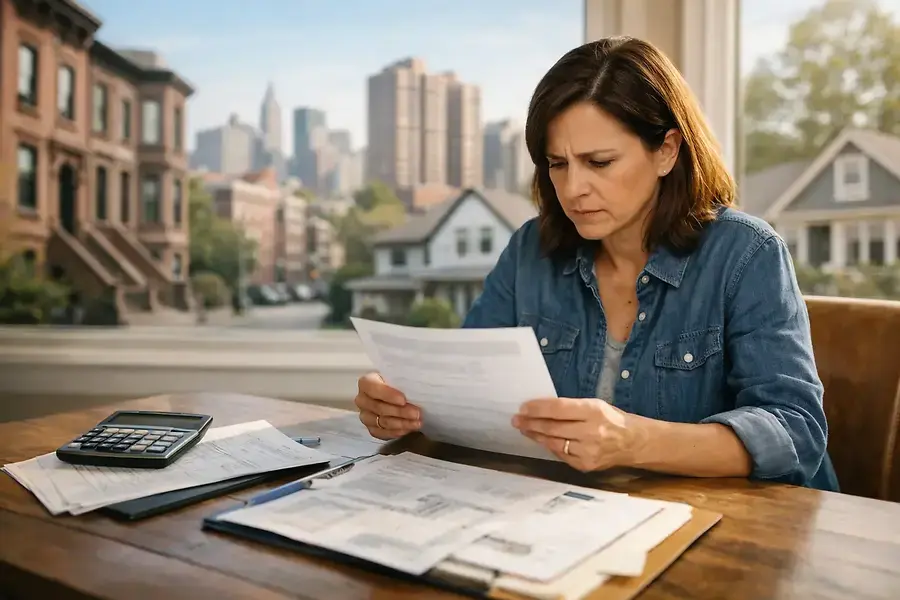
Why Property Tax Assessments Matter for NY Homeowners
Property tax assessments are one of the most significant financial obligations facing homeowners in New York. Whether you own a brownstone in Brooklyn, a Manhattan apartment, or a suburban home on Long Island, understanding how your property is assessed directly impacts your annual tax bill and long-term investment returns.
Many homeowners accept their assessment notices without question, unaware that they have the right to challenge them. In fact, thousands of NY property owners overpay their taxes each year simply because they don't understand the assessment process or know how to dispute inaccurate valuations. This guide will help you navigate the complexities of property tax assessments and empower you to take action.
How Property Tax Assessments Are Calculated in New York
The Assessment Fundamentals
Property tax assessments in New York are based on the assessed value of your property, which is typically a percentage of its market value. The assessed value is then multiplied by the local tax rate to determine your annual property tax bill. Understanding this calculation is the first step toward protecting your investment.
The assessment process involves several key components:
- Market Value Analysis: Assessors evaluate comparable sales in your neighborhood to estimate what your property would sell for on the open market.
- Property Characteristics: Features such as square footage, number of bedrooms and bathrooms, lot size, and condition of the structure are carefully documented.
- Location Factors: Proximity to schools, transportation, parks, and commercial areas significantly influence assessed values.
- Building Systems: The age and condition of roofing, plumbing, electrical systems, and HVAC equipment are evaluated.
Regional Variations Across NY
Assessment practices vary significantly across New York's diverse regions. Brooklyn and Manhattan assessments often reflect premium urban location values, while Long Island properties may be assessed based on different comparable sales and neighborhood characteristics. Understanding your specific region's assessment methodology is crucial.
In Manhattan, luxury apartments and penthouses face unique assessment challenges due to limited comparable sales. Brooklyn's rapidly changing neighborhoods mean assessments may not reflect recent market shifts. Long Island assessments often emphasize lot size and school district quality, which can significantly impact valuations.
Common Assessment Errors
Assessors are human and make mistakes. Common errors include:
- Incorrect property dimensions or square footage
- Misclassification of property type or use
- Failure to account for property defects or needed repairs
- Outdated information from previous assessments
- Incorrect number of rooms or bathrooms
Challenging Your Assessment: Rights and Procedures for Residential Property Owners
Understanding Your Rights
New York law provides homeowners with multiple opportunities to challenge property tax assessments. You have the right to file a formal objection if you believe your assessment is inaccurate or unfair. This right applies to all residential properties, regardless of location or value.
The Challenge Process
The procedure for challenging your assessment involves several steps:
- Review Your Assessment Notice: Carefully examine the assessed value and property details listed on your notice. Look for factual errors regarding square footage, room count, or property features.
- Gather Documentation: Collect recent appraisals, comparable sales data, property inspection reports, and photographs documenting any defects or needed repairs.
- File a Grievance: Submit your formal objection during the designated grievance period, typically in the spring. Each municipality has specific deadlines that must be met.
- Attend the Hearing: Present your case before the Assessment Review Board. Bring all supporting documentation and be prepared to explain why you believe the assessment is incorrect.
- Review the Decision: If unsatisfied with the board's decision, you may have the right to appeal to the state Supreme Court.
Building Your Case
A successful challenge requires solid evidence. Comparable sales analysis is your most powerful tool. Identify recent sales of similar properties in your neighborhood and document how they sold for less than your assessed value. This demonstrates that the assessor's valuation is out of line with actual market conditions.
"Property tax assessments are not set in stone. Homeowners who take the time to understand the process and gather proper documentation can often achieve significant reductions in their assessed values."
Professional appraisals can also strengthen your case, particularly for unique properties or those with significant defects. Home inspection reports documenting needed repairs provide concrete evidence that your property's condition warrants a lower valuation.
When to Seek Professional Help
For high-value properties or complex situations, hiring a property tax professional or attorney may be worthwhile. These experts understand local assessment practices and can navigate the appeals process more effectively. The cost of professional assistance is often recovered through tax savings achieved by successful challenges.
Maximizing Your Property Investment Through Tax Assessment Knowledge
Understanding property tax assessments is essential for protecting your real estate investment. By familiarizing yourself with how assessments are calculated, regularly reviewing your assessment notices, and knowing your rights to challenge inaccurate valuations, you can potentially save thousands of dollars over the life of your homeownership.
Don't accept an unfair assessment passively. Take action, gather evidence, and advocate for yourself. Whether you own property in Brooklyn's vibrant neighborhoods, Manhattan's prestigious addresses, or Long Island's suburban communities, the knowledge and strategies outlined in this guide can help you maximize your property investment and reduce your tax burden.
Remember: property tax assessments are negotiable, and homeowners who understand the process have a significant advantage in protecting their wealth and investment value.


