Understanding Property Taxes: A Central Valley, NY Homeowner's Guide
Learn how to understand, estimate, and potentially reduce your annual property tax burden as a homeowner.

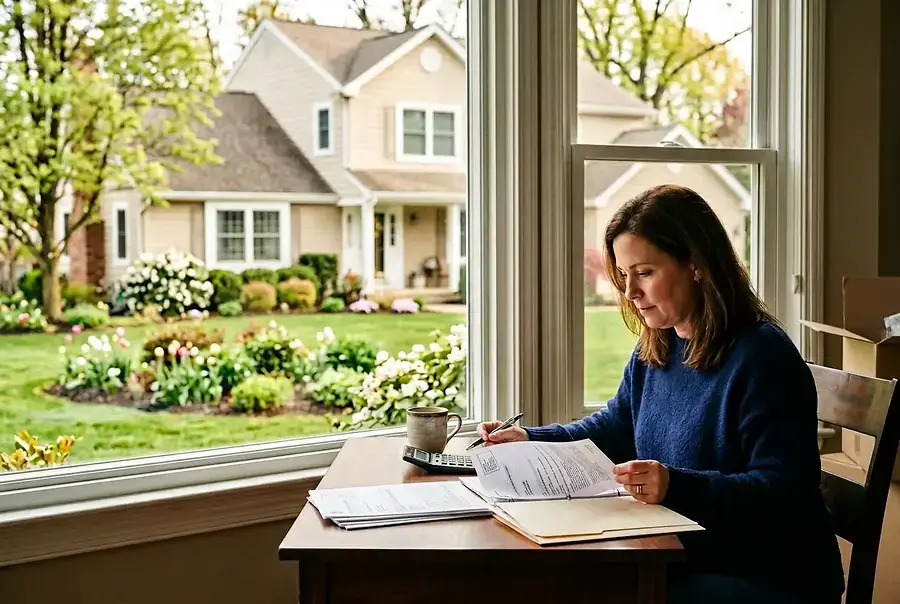
Understanding Central Valley Property Tax Assessments
Property tax assessments in Central Valley, NY are determined by local assessors who evaluate your home's market value. This assessment forms the foundation of your annual tax bill and directly impacts how much you'll pay each year. Understanding how this process works is the first step toward managing your property tax burden effectively.
How Assessments Are Calculated
Local assessors examine several factors when determining your property's assessed value, including:
- Property size and square footage - Larger homes typically have higher assessments
- Land value - The location and size of your lot contribute significantly
- Age and condition of the home - Newer or well-maintained properties may be valued higher
- Recent comparable sales - Similar homes sold in your area influence assessments
- Improvements and renovations - Upgrades can increase your assessed value
The Assessment Timeline
Assessments typically occur annually, with notices sent to homeowners by a specific deadline. It's crucial to review your assessment notice carefully when it arrives. Look for any errors in property details, such as incorrect square footage, number of bedrooms, or lot size. These mistakes can lead to inflated assessments and higher taxes than you should pay.
How Property Taxes Impact Your Overall Homeownership Costs
Property taxes represent a significant portion of your total homeownership expenses. For many Central Valley homeowners, property taxes can be the second-largest annual cost after mortgage payments. Understanding this impact helps you budget more effectively and plan for long-term financial stability.
Calculating Your Tax Burden
Your property tax bill is calculated by multiplying your assessed value by the local tax rate. In Central Valley, tax rates vary by school district and municipality. A $300,000 home with a 1.5% tax rate would result in approximately $4,500 in annual property taxes. This amount can fluctuate yearly based on assessment changes and rate adjustments.
Beyond the Base Tax
Your property tax bill may include additional charges beyond the base assessment:
- School district taxes
- County and municipal taxes
- Special district assessments for water, sewer, or fire services
- Bond payments for local improvements
Pro Tip: Request an itemized breakdown of your property tax bill to understand exactly where your money goes. This transparency helps you identify areas where you might challenge assessments or find relief programs.
Long-Term Financial Planning
When budgeting for homeownership, factor in potential property tax increases. While rates don't always rise annually, planning for modest increases ensures you won't face unexpected financial strain. Consider setting aside funds in a dedicated savings account to cover property tax payments comfortably.
Strategies to Appeal or Reduce Your Property Tax Bill
If you believe your property assessment is too high, you have options. Central Valley homeowners can pursue several strategies to potentially reduce their tax burden and save thousands of dollars over time.
Filing an Assessment Appeal
The most direct way to challenge your property taxes is through an assessment appeal. Most jurisdictions have specific deadlines for filing appeals, typically within 30 days of receiving your assessment notice. To strengthen your appeal, gather evidence such as:
- Recent appraisals showing lower property values
- Documentation of property damage or needed repairs
- Comparable sales data for similar homes in your area
- Photos highlighting any deficiencies in your home's condition
Exploring Tax Relief Programs
New York offers several property tax relief programs for eligible homeowners. These may include exemptions for seniors, disabled individuals, veterans, and agricultural properties. Research your eligibility for programs like the Enhanced School Tax Relief (ESTR) program or the Senior Citizen Homeowners' Exemption. These programs can provide substantial annual savings.
Working with a Professional
Consider hiring a property tax consultant or attorney experienced in Central Valley assessments. While this involves an upfront cost, the potential savings often justify the investment. Professionals understand local assessment practices and can identify weaknesses in your assessment that you might miss.
Maintaining Your Property
Regular maintenance and strategic improvements can help keep your assessed value reasonable. Avoid major renovations that significantly increase your home's market value unless you're planning to stay long-term. Conversely, addressing visible deficiencies like roof damage or foundation issues can help justify lower assessments during appeals.
Planning Your Budget: Making Property Taxes Work for You
Effective budgeting transforms property taxes from a source of stress into a manageable expense. By planning ahead and understanding your obligations, you can maintain financial stability throughout your homeownership journey.
Creating a Comprehensive Budget
Include property taxes in your overall homeownership budget alongside mortgage payments, insurance, utilities, and maintenance costs. Allocate funds monthly rather than facing a large bill when taxes are due. This approach prevents financial surprises and ensures you're always prepared.
Monitoring Assessment Changes
Stay informed about your property's assessed value by reviewing annual assessment notices promptly. Track changes year-to-year and investigate significant increases. If your assessment jumps unexpectedly, this may indicate an error or warrant an appeal.
Leveraging Homeowner Resources
Central Valley offers various resources to help homeowners understand and manage property taxes. Contact your local assessor's office for clarification on your assessment, attend community workshops on property tax management, and consult with local real estate professionals who understand regional tax trends.
Looking Ahead
As a homeowner, staying proactive about property taxes protects your financial interests. Review your assessment annually, understand your rights, and don't hesitate to challenge assessments you believe are inaccurate. Knowledge and action are your best tools for managing this significant homeownership expense effectively and ensuring you're paying only what you owe.


