Understanding Property Taxes Across Nevada's Top Residential Markets
Learn how property tax structures differ across Reno, Las Vegas, Henderson, and Pahrump to make informed investment decisions.

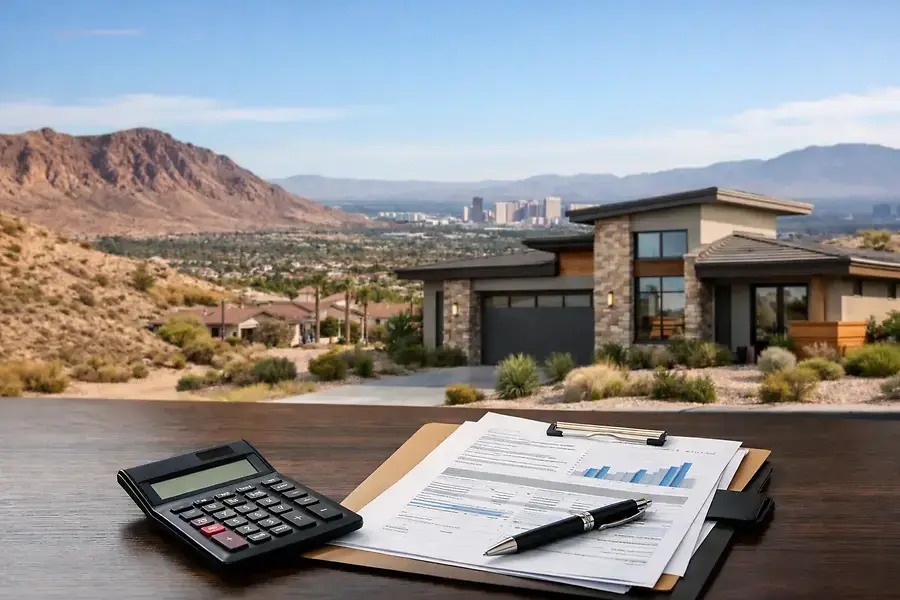
Introduction: Why Property Taxes Matter for Nevada Homebuyers
When purchasing a home in Nevada, most people focus on the purchase price and mortgage payments. However, property taxes represent a significant ongoing expense that can dramatically impact your long-term financial planning. Unlike income taxes, property taxes are a permanent obligation that increases with property value and changes in local tax rates.
Nevada is known for having no state income tax, which attracts many residents and investors to the state. However, this doesn't mean property owners escape taxation entirely. Property taxes remain a crucial component of homeownership costs, and understanding how they vary across different Nevada markets is essential for making informed investment decisions.
Whether you're a first-time homebuyer or an experienced investor, comprehending the nuances of property tax structures in Reno, Las Vegas, Henderson, and Pahrump will help you budget effectively and avoid unexpected financial surprises.
Property Tax Rates and Structures Across Reno, Las Vegas, Henderson, and Pahrump
Las Vegas and Clark County
Las Vegas operates under Clark County's property tax system, which is one of the most important factors to understand for southern Nevada homebuyers. Clark County has a combined property tax rate that includes county, school district, and local assessments. The effective tax rate typically ranges from 0.60% to 0.75% of assessed property value, making it relatively moderate compared to national averages.
Key features of Las Vegas property taxes include:
- Assessment based on market value at the time of purchase
- Annual adjustments capped at 3% unless the property changes ownership
- Exemptions available for homeowners, seniors, and disabled individuals
- School district funding through property tax revenue
Henderson
Henderson, located in Clark County, shares the same property tax structure as Las Vegas. However, Henderson residents may experience slightly different tax bills due to varying local improvement districts and special assessments. The city's rapid growth has led to additional infrastructure costs that sometimes result in special assessments for new developments.
Prospective Henderson homebuyers should be aware of:
- Potential special assessment districts for new neighborhoods
- HOA fees that complement property taxes
- Similar base tax rates to Las Vegas with possible variations
- Strong school district funding through property taxes
Reno
Reno operates under Washoe County's property tax system, which differs from Clark County in several important ways. Washoe County's effective tax rate is typically slightly higher, ranging from 0.65% to 0.80% of assessed property value. The Reno market has experienced significant growth, which has influenced tax structures and assessments.
Important considerations for Reno property owners:
- Assessment methodology similar to Clark County but with different rates
- Strong emphasis on education funding through property taxes
- Potential for higher assessments in rapidly appreciating neighborhoods
- Exemptions and deferrals available for qualifying homeowners
Pahrump
Pahrump, located in Nye County, offers a different tax landscape compared to the larger Nevada markets. Nye County generally has lower property tax rates, typically ranging from 0.55% to 0.70% of assessed property value. This makes Pahrump an attractive option for budget-conscious homebuyers and investors seeking lower ongoing costs.
Pahrump property tax characteristics:
- Lower overall tax burden compared to Reno and Las Vegas
- Smaller school district with different funding structures
- Less frequent special assessments due to slower development
- More rural character reflected in tax policies
How to Calculate Your Annual Tax Burden and Plan Your Budget
Understanding Assessed Value
The first step in calculating property taxes is understanding assessed value, which differs from market value. In Nevada, assessed value is typically based on the purchase price or recent appraisal. Once established, the assessed value can only increase by a maximum of 3% annually unless the property is sold.
The Tax Calculation Formula
The basic formula for calculating annual property taxes is straightforward:
Annual Property Tax = Assessed Value × Effective Tax Rate
For example, if you purchase a home in Las Vegas for $400,000 with an effective tax rate of 0.65%, your annual property tax would be approximately $2,600.
Budgeting Tips for Property Owners
To effectively plan your budget as a Nevada homeowner, consider these practical strategies:
- Request a preliminary tax estimate before closing on your property
- Account for annual increases of up to 3% in your long-term budget
- Research available exemptions such as homeowner exemptions that can reduce your tax burden
- Factor in special assessments that may apply to your specific neighborhood or development
- Set aside funds monthly to avoid large annual tax bills
- Review your assessment annually and appeal if you believe it's inaccurate
Comparing Markets for Investment Purposes
When comparing property investments across Nevada's markets, use property taxes as one factor among many in your decision-making process. While Pahrump offers lower tax rates, Las Vegas and Henderson provide stronger appreciation potential and more robust rental markets. Reno appeals to those seeking a balance between tax efficiency and market growth.
Conclusion: Using Tax Knowledge to Position Yourself as a Local Real Estate Expert
Understanding property tax structures across Nevada's major residential markets is a powerful tool for making informed real estate decisions. Whether you're investing in the vibrant Las Vegas market, the growing Reno area, the family-friendly Henderson community, or the affordable Pahrump region, knowledge of local tax implications will set you apart.
By mastering these concepts, you can:
- Calculate accurate total cost of ownership for any property
- Compare investment opportunities across different markets
- Identify tax-saving opportunities and exemptions
- Build credibility as a knowledgeable investor or homebuyer
- Make decisions aligned with your long-term financial goals
The key to success in Nevada real estate is combining market knowledge with financial literacy. Take time to research your specific market, understand the tax implications, and use this information to negotiate better deals and make smarter investments. Your future self will thank you for the effort invested in understanding these crucial financial factors today.