Understanding Property Taxes Across Southeast Michigan Counties
Discover how Oakland, Washtenaw, Livingston, and Wayne County tax structures affect your home's true ownership costs.

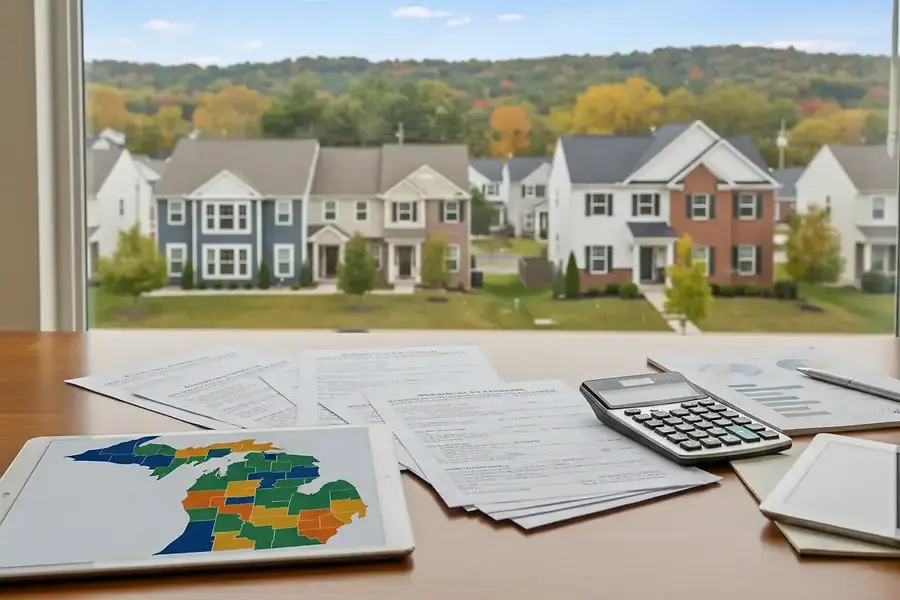
Why Property Taxes Matter More Than You Think
When homeowners calculate the true cost of owning property, many focus solely on mortgage payments and maintenance expenses. However, property taxes represent one of the most significant ongoing costs of homeownership, often rivaling or exceeding annual insurance premiums. In Southeast Michigan, property tax rates vary dramatically between counties, making location a critical factor in your long-term financial planning.
Understanding your local tax structure isn't just about budgeting—it directly impacts your home's equity growth, resale value, and overall return on investment. A difference of just 0.5% in effective tax rates can translate to thousands of dollars over a decade of homeownership.
County-by-County Tax Comparison: What Homeowners Pay Across the Region
Oakland County: The Balanced Approach
Oakland County, home to affluent suburbs like Bloomfield Hills and Troy, maintains a millage rate averaging around 45-50 mills (or approximately 4.5-5.0% of assessed value). The county benefits from strong commercial and industrial tax bases, which helps distribute the tax burden more evenly among residents. However, individual municipalities within Oakland County vary significantly, with some communities offering lower rates due to local tax incentives.
Wayne County: The Urban Challenge
Wayne County, encompassing Detroit and surrounding areas, typically sees millage rates ranging from 50-65 mills, making it one of the higher-taxed regions in Southeast Michigan. The county's economic challenges and infrastructure needs contribute to these elevated rates. However, certain Wayne County communities have implemented tax abatement programs to attract new development and retain residents.
Washtenaw County: The College Town Effect
Home to the University of Michigan, Washtenaw County presents a unique tax landscape. Millage rates typically fall between 40-55 mills, with significant variation between Ann Arbor proper and surrounding townships. The presence of tax-exempt institutional properties affects the overall tax base, sometimes pushing rates higher for residential and commercial properties.
Livingston County: The Growth Frontier
As one of Southeast Michigan's fastest-growing counties, Livingston County offers relatively competitive millage rates of 35-48 mills. The county's expanding tax base and newer infrastructure help keep rates lower than more established urban areas. This advantage has made Livingston County increasingly attractive to homebuyers seeking lower tax burdens.
Strategies to Minimize Your Tax Burden and Maximize Your Investment
Leverage Homestead Property Tax Exemptions
Michigan's Homestead Property Tax Exemption is one of the most valuable tax benefits available to homeowners. If you qualify, you can reduce your taxable property value by up to 3.6%. To claim this exemption, your primary residence must be your principal place of residence, and you must file the appropriate forms with your local assessor's office.
Challenge Your Property Assessment
Property assessments aren't always accurate. If you believe your home has been overvalued, you have the right to appeal. Many homeowners successfully reduce their tax burden by 5-15% through assessment appeals. Gather comparable sales data, hire a professional appraiser if necessary, and present your case during the appeal window—typically in March or after receiving your assessment notice.
Explore Tax Abatement Programs
Many Southeast Michigan municipalities offer tax abatement programs for:
- New residential construction
- Commercial property rehabilitation
- Historic preservation projects
- Brownfield redevelopment
These programs can provide tax reductions ranging from 50-100% for 5-12 years, significantly improving your investment returns during the abatement period.
Consider Location-Based Tax Advantages
If you're flexible on location, choosing a lower-tax municipality within your preferred county can yield substantial savings. A home worth $400,000 could cost $2,000-4,000 more annually in property taxes depending on the specific township or city. When evaluating neighborhoods, factor in these tax differences alongside school quality and community amenities.
Time Your Purchase Strategically
Understanding assessment cycles can help you time your purchase. Properties purchased early in an assessment cycle may benefit from lower valuations before the next reassessment. Work with your real estate agent to understand your specific municipality's assessment schedule.
Document Home Improvements Carefully
While home improvements increase your property's value, they can also trigger reassessments. Maintain detailed records of improvements and their costs. Some improvements may qualify for exemptions or deferrals, and documentation helps you justify your property's value during assessments.
Making Informed Decisions in Your Local Market
Property taxes are a permanent feature of homeownership, but they're not inevitable burdens. By understanding your county's tax structure and implementing strategic planning, you can significantly reduce your tax liability while building equity in your home.
The key is to act proactively: research your local rates before purchasing, file for available exemptions immediately upon purchase, monitor your assessments annually, and don't hesitate to appeal if you believe your property has been overvalued.
Southeast Michigan's diverse tax landscape means that location truly matters. Whether you're buying in Oakland's established suburbs, Wayne's urban neighborhoods, Washtenaw's college-town communities, or Livingston's growing townships, understanding the tax implications of your choice empowers you to make decisions that align with both your lifestyle preferences and financial goals.
Take time to calculate the true cost of ownership in your target area, including property taxes, and you'll be better positioned to negotiate effectively and build long-term wealth through real estate investment.


