Understanding Property Taxes and Assessments in Jeannette, PA
Learn how local tax rates and assessments impact your home's total cost of ownership and budget planning.

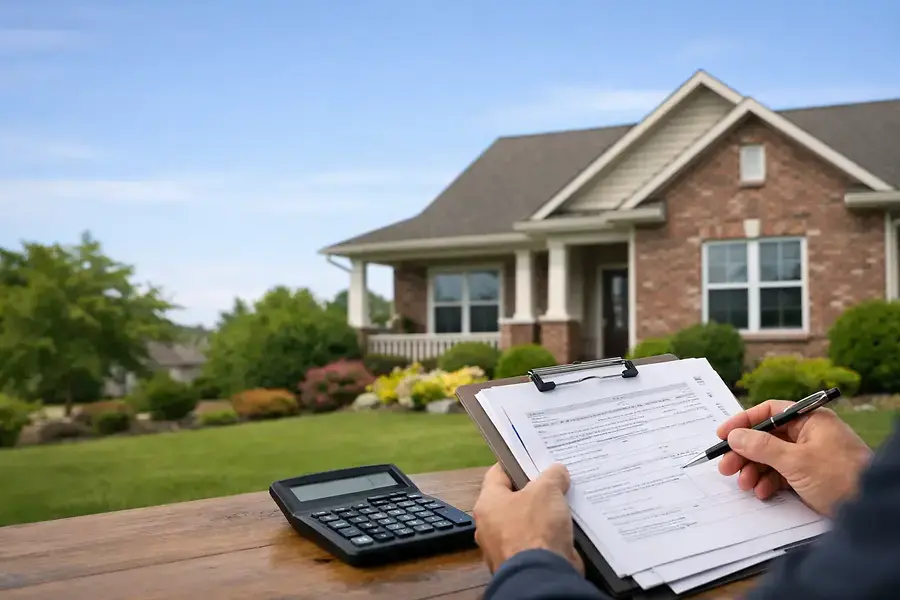
Introduction: Why Property Taxes Matter to Homeowners
Property taxes represent one of the largest ongoing expenses for homeowners, yet many people don't fully understand how they're calculated or what options exist to manage them. In Jeannette, Pennsylvania, property taxes play a crucial role in funding local schools, infrastructure, and community services. As a homeowner, understanding how these taxes work can help you budget more effectively and potentially save thousands of dollars over the life of your mortgage.
Unlike mortgage payments that eventually end, property taxes continue indefinitely as long as you own your home. This makes it essential to grasp how assessments are determined and what factors influence your annual tax bill. Whether you're a first-time homebuyer or a long-time resident, taking time to understand Jeannette's tax system empowers you to make better financial decisions.
How Jeannette's Tax Assessment Process Works
Understanding Property Assessments
Property assessments form the foundation of your tax calculation. In Jeannette, the county assessor's office determines the fair market value of your property, which serves as the basis for calculating your property tax. This assessment considers several factors, including:
- Property size and lot dimensions – Larger properties typically have higher assessments
- Building condition and age – Well-maintained homes may be valued differently than those needing repairs
- Location and neighborhood – Properties in desirable areas often have higher assessments
- Recent sales comparables – Similar homes recently sold in your area influence assessments
- Improvements and upgrades – New additions or renovations can increase your assessed value
The Tax Rate Structure
Once your property is assessed, the local tax rate is applied to determine your annual bill. Jeannette's tax rate is expressed as a millage rate – the amount of tax per $1,000 of assessed value. This rate funds multiple entities, including:
- Local school district operations and improvements
- Municipal services and infrastructure maintenance
- County government functions
- Special districts and authorities
Understanding how your tax dollar is distributed helps you see the direct impact on your community while recognizing why property taxes are necessary for local services.
Assessment Frequency and Updates
Property assessments in Pennsylvania are typically updated periodically, though the frequency can vary by county. When your property is reassessed, your tax bill may increase or decrease depending on market conditions and property changes. It's important to review your assessment notice when you receive it and understand how it affects your overall tax obligation.
Practical Strategies to Reduce Your Annual Property Tax Burden
Challenge Your Assessment
If you believe your property assessment is too high, you have the right to challenge it. This is one of the most effective ways to reduce your property taxes. You can file an appeal with the county assessor's office, providing evidence such as:
- Recent appraisals showing lower property values
- Documentation of property damage or needed repairs
- Comparable sales of similar properties in your neighborhood
- Photos demonstrating property condition issues
Many homeowners successfully reduce their assessments through this process, resulting in immediate tax savings.
Explore Tax Exemptions and Credits
Pennsylvania offers several tax exemptions and credits that may apply to your situation. These can include:
- Homestead exemptions – Available to primary residence owners in some jurisdictions
- Senior citizen exemptions – Reduced assessments for qualifying seniors
- Disability exemptions – Tax relief for individuals with disabilities
- Agricultural exemptions – For properties used in farming operations
- Historic property credits – For homes designated as historic
Contact your local assessor's office to determine which exemptions you may qualify for and how to apply.
Maintain Your Property Wisely
While maintaining your home is important for comfort and safety, be strategic about major improvements. Significant renovations and upgrades can trigger assessment increases. Before undertaking major projects, consider the potential impact on your property tax. This doesn't mean avoiding necessary repairs, but rather planning larger improvements thoughtfully.
Stay Informed About Market Trends
Understanding local real estate market trends helps you anticipate potential assessment changes. If property values in your area are declining, you have stronger grounds for an assessment appeal. Conversely, if values are rising, you can better prepare for potential tax increases in your budget planning.
Work with a Tax Professional
Consider consulting with a property tax consultant or real estate attorney who specializes in tax assessments. These professionals understand the nuances of Pennsylvania's tax system and can identify opportunities for savings you might otherwise miss. The cost of professional advice often pays for itself through tax reductions.
Conclusion: Making Informed Financial Decisions About Your Home Investment
Property taxes are a significant component of homeownership costs, but they're not fixed or unchangeable. By understanding how Jeannette's assessment process works and taking proactive steps to manage your tax burden, you can make smarter financial decisions about your home investment.
The key is to stay informed, review your assessments regularly, and don't hesitate to challenge valuations you believe are inaccurate. Whether through assessment appeals, exploring available exemptions, or strategic property maintenance planning, homeowners have multiple tools available to manage their property tax obligations.
Take time to review your most recent property tax bill, understand how it was calculated, and determine which strategies might work best for your situation. Your proactive approach today can lead to meaningful savings and better financial planning for years to come.


