Understanding Property Taxes and Assessments in Wilmington, DE
Learn how property assessments and tax rates impact your real estate investment in Delaware's capital city.

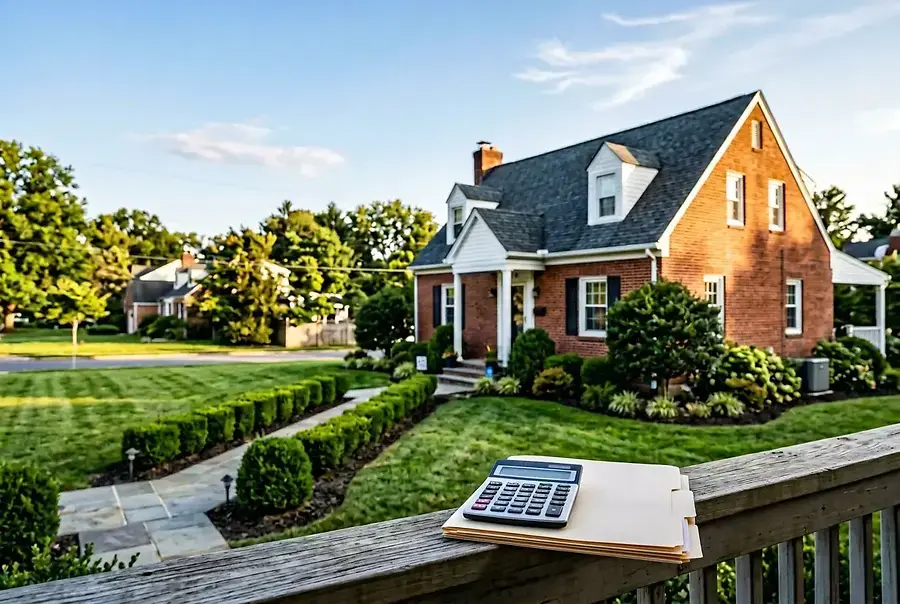
Why Property Taxes Matter for Wilmington Homeowners
Property taxes are one of the most significant ongoing costs of homeownership in Wilmington, Delaware. Whether you're a first-time buyer or an experienced investor, understanding how these taxes are calculated and assessed can save you thousands of dollars over the life of your property ownership. Unlike income taxes that fluctuate with your earnings, property taxes remain a predictable yet substantial expense that directly impacts your bottom line as a homeowner.
For Wilmington residents, property taxes fund essential services including schools, infrastructure, emergency services, and local government operations. This means your tax dollars directly contribute to the quality of life in Delaware's capital city. However, this doesn't mean you should pay more than necessary. By understanding the system and knowing your options, you can ensure you're paying a fair assessment.
How Delaware's Property Tax System Works and What It Means for You
Understanding Property Assessments
Delaware's property tax system begins with the assessment process. The New Castle County Assessor's Office evaluates your property to determine its fair market value. This assessment considers several factors:
- Property location and neighborhood characteristics - Properties in desirable areas typically assess higher
- Square footage and lot size - Larger properties generally have higher assessments
- Age and condition of the structure - Newer or well-maintained homes may assess differently
- Recent comparable sales - Similar properties sold recently influence assessments
- Improvements and upgrades - Renovations and additions can increase assessed value
Tax Rates and Calculations
Once your property is assessed, the tax rate is applied to determine your annual tax bill. Wilmington's property tax rate varies depending on your specific location within the city and the tax district. The calculation is straightforward: Assessed Value × Tax Rate = Annual Property Tax.
It's important to note that Delaware offers several tax exemptions and credits that may apply to your situation. Homeowners over 65, disabled veterans, and those with significant property damage may qualify for exemptions or reductions. Additionally, Delaware's homestead property tax exemption can provide relief for primary residences.
The Assessment Appeal Process
If you believe your property has been assessed unfairly, Delaware law allows you to appeal. The appeal process typically involves:
- Reviewing your assessment notice carefully for errors
- Gathering comparable property sales data from your neighborhood
- Filing an appeal with the New Castle County Assessor's Office within the specified timeframe
- Presenting your evidence at a hearing if necessary
Many homeowners successfully reduce their tax burden through the appeal process by demonstrating that their property was overassessed compared to similar properties in the area.
Strategies to Minimize Your Property Tax Burden as a Homeowner
Challenge Your Assessment
Don't automatically accept your assessment as final. If you notice errors in your property description, such as incorrect square footage or number of bedrooms, file a correction request immediately. These administrative errors can result in significant overassessments. Additionally, if comparable homes in your neighborhood sold for less than your assessed value, you have grounds for an appeal.
Take Advantage of Available Exemptions
Delaware offers several tax relief programs that homeowners often overlook. Research whether you qualify for:
- Homestead property tax exemption for primary residences
- Senior citizen exemptions (age 65 and older)
- Disabled veteran exemptions
- Agricultural exemptions (if applicable)
- Historic property exemptions
Applying for these exemptions requires documentation, but the potential savings make the effort worthwhile.
Maintain Your Property
While this might seem counterintuitive, maintaining your property in good condition can actually help during reassessments. Properties in poor condition may be reassessed lower, but this comes at the cost of decreased property value and potential safety issues. Instead, focus on strategic improvements that add value without triggering unnecessary assessment increases. Regular maintenance keeps your home competitive in the market.
Monitor Market Trends
Stay informed about real estate trends in Wilmington. If your neighborhood is experiencing declining property values, you may have grounds for an assessment reduction. Conversely, if values are rising, you'll want to ensure your assessment reflects fair market value to avoid overpaying relative to comparable properties.
Work with Professionals
Consider consulting with a tax professional or real estate attorney who specializes in property tax appeals. While there's a cost involved, their expertise can result in substantial savings, particularly for higher-value properties. They understand the nuances of Delaware's tax code and can present compelling cases during appeals.
Making Informed Decisions About Wilmington Real Estate
Understanding property taxes and assessments is crucial for making sound real estate investment decisions in Wilmington. Before purchasing a property, research the tax history and current assessment. Factor property taxes into your total cost of ownership calculation, not just the mortgage payment.
Property taxes are not fixed costs—they can change based on assessments, tax rate adjustments, and your eligibility for exemptions. Being proactive about understanding and managing these taxes is essential to protecting your investment.
As a Wilmington homeowner, you have the power to influence your property tax burden through appeals, exemptions, and strategic property management. By staying informed and taking action when necessary, you can ensure you're paying a fair assessment while maximizing your real estate investment's potential. Remember, the money you save on property taxes can be reinvested in your home, your community, or your financial future.