Understanding Property Taxes and Home Assessments for New Homeowners
Learn how to understand your property tax bill, assessment values, and strategies to potentially reduce your annual tax burden.

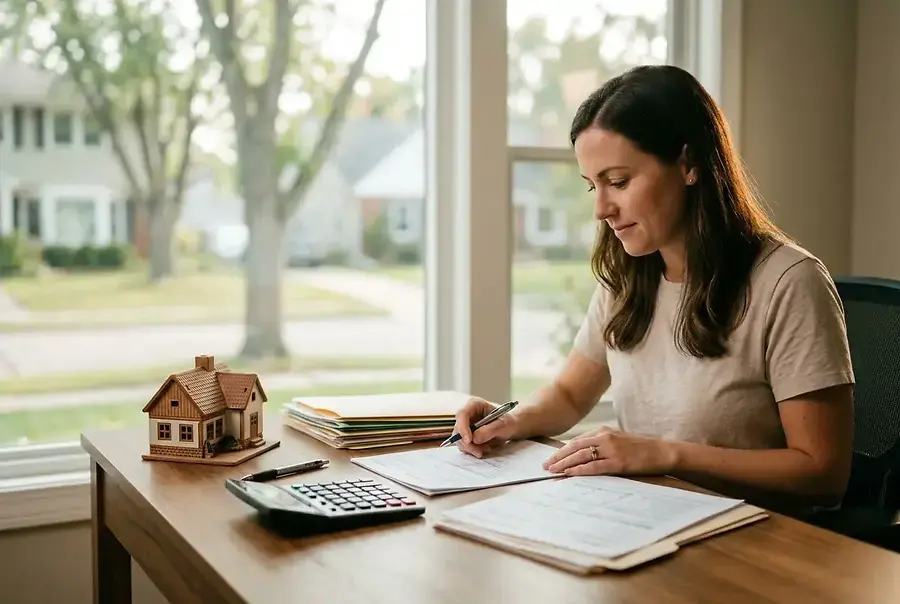
Understanding Your Property Tax Bill and Assessment Process
As a new homeowner, one of the most important financial responsibilities you'll face is understanding and managing your property taxes. Your property tax bill can be one of the largest annual expenses associated with homeownership, yet many owners don't fully understand how it's calculated or what they're paying for.
Your property tax bill is primarily based on two key components: the assessed value of your home and the tax rate set by your local government. The assessed value is determined by your county or municipal assessor's office, while the tax rate is established by local authorities and typically expressed as a percentage of the assessed value.
How the Assessment Process Works
The assessment process begins when your local assessor's office evaluates your property to determine its fair market value. This assessment happens periodically—sometimes annually, sometimes every few years, depending on your jurisdiction. Assessors use various methods to determine value, including:
- Comparing your home to similar properties recently sold in your area
- Analyzing the cost to rebuild your home from scratch
- Evaluating the income potential if your property were rental property
Once the assessed value is determined, your local tax assessor's office multiplies this value by the applicable tax rate to calculate your annual property tax bill. Understanding this process is the first step toward managing your tax obligations effectively.
Factors That Influence Your Home's Assessed Value
Several factors can significantly impact how your home is assessed and, consequently, how much you'll pay in property taxes. Being aware of these factors can help you understand your assessment and identify potential areas for appeal.
Location and Market Conditions
The location of your home is one of the most influential factors in determining its assessed value. Homes in desirable neighborhoods, near good schools, or with convenient access to amenities typically have higher assessments. Additionally, overall market conditions in your area affect assessments—when property values rise, assessments generally follow suit.
Property Size and Structure
The physical characteristics of your home play a crucial role in its assessment. Factors include:
- Square footage of living space
- Number of bedrooms and bathrooms
- Age and condition of the structure
- Quality of construction materials
- Presence of special features like pools, garages, or decks
Home Improvements and Renovations
Important note: Major home improvements and renovations can trigger a reassessment of your property. While upgrades like new roofing, kitchen renovations, or added square footage increase your home's value and comfort, they may also increase your assessed value and property taxes. It's wise to consider this potential tax impact when planning significant improvements.
Exemptions and Special Circumstances
Depending on your location and personal circumstances, you may qualify for property tax exemptions or reductions. These might include homestead exemptions, senior citizen discounts, or exemptions for disabled veterans. Research what's available in your jurisdiction, as these can provide substantial savings.
Strategies to Lower Your Property Taxes Legally
While you cannot avoid property taxes entirely, there are several legitimate strategies you can employ to potentially reduce your annual tax burden.
Challenge Your Assessment
If you believe your home's assessed value is too high, you have the right to challenge it. Most jurisdictions have a formal appeal process with specific deadlines. To build a strong case, gather evidence such as:
- Recent appraisals showing a lower value than the assessment
- Documentation of property defects or needed repairs
- Comparable sales data for similar homes in your area
- Photos showing your home's condition
Filing an appeal is often free or low-cost, making it a worthwhile effort if you have legitimate concerns about your assessment.
Apply for Available Exemptions
Research all tax exemptions and credits available to you. Common exemptions include:
- Homestead exemptions: Available in many states, these reduce the assessed value for your primary residence
- Age-based exemptions: Senior citizens may qualify for reduced assessments
- Disability exemptions: Disabled individuals or veterans may receive tax relief
- Agricultural exemptions: If you have farmland, special rates may apply
Maintain Your Property Properly
While this might seem counterintuitive, maintaining your home in good condition can help prevent inflated assessments. A well-maintained home is less likely to be reassessed upward due to perceived deterioration. Additionally, addressing necessary repairs promptly prevents small issues from becoming major problems that could affect your home's assessed value.
Stay Informed About Assessment Cycles
Understanding when your property will be reassessed allows you to prepare and monitor the process. Keep records of your home's condition, any damage, or needed repairs that could justify a lower assessment. If you receive a new assessment notice, review it carefully for errors in property details like square footage or number of rooms.
Consider Professional Help
For significant concerns about your assessment, consulting with a property tax professional or attorney may be worthwhile. These experts understand local tax codes and can identify opportunities for reduction that you might miss. While there's a cost involved, the potential savings often justify the expense.
Conclusion: Taking Control of Your Tax Obligations
Property taxes are a significant part of homeownership, but they don't have to be a mystery. By understanding how your property tax bill is calculated, recognizing the factors that influence your assessment, and taking proactive steps to explore legal reduction strategies, you can take control of this important financial obligation.
Start by carefully reviewing your property tax bill and assessment notice. Ask questions if anything is unclear, and don't hesitate to challenge your assessment if you believe it's inaccurate. Research exemptions available in your area, and consider consulting with professionals if you have substantial concerns. Remember, the effort you invest in understanding and managing your property taxes can result in significant savings over the years you own your home.
As a new homeowner, taking these steps now will set you up for financial success and help you make informed decisions about your property for years to come.