Understanding Property Taxes and Home Assessments in Canfield, OH
A practical guide to understanding how property valuations impact your homeownership costs and investment decisions.

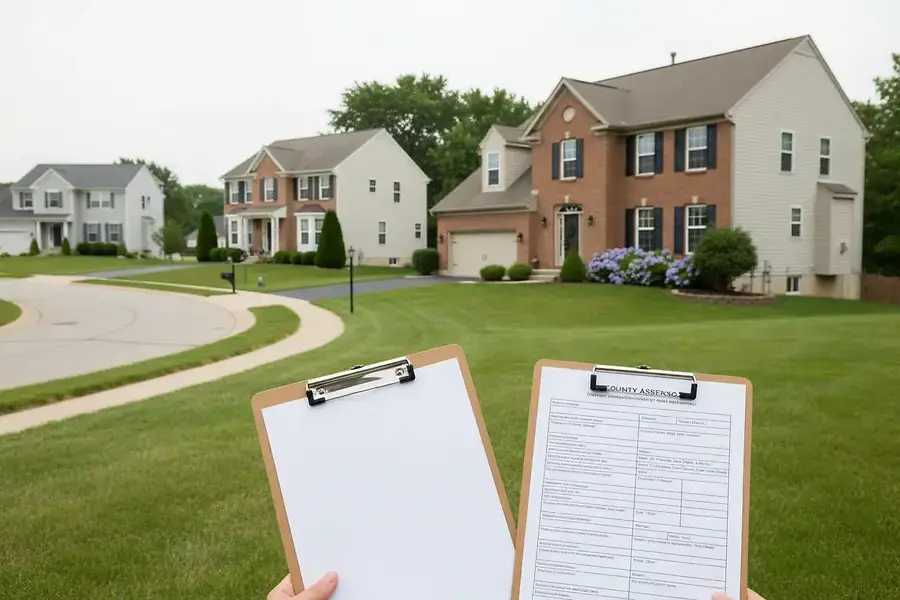
Introduction: The Role of Property Taxes in Your Home Purchase Decision
When you purchase a home in Canfield, Ohio, the purchase price is just one piece of the financial puzzle. Property taxes represent an ongoing cost that can significantly impact your monthly budget and long-term investment returns. Understanding how these taxes are calculated and what influences your property assessment is essential for making informed financial decisions.
Property taxes fund critical community services including schools, roads, emergency services, and local infrastructure. In Canfield, these taxes are based on your home's assessed value, which is determined through a systematic evaluation process. Many homeowners are surprised to learn that their assessed value may differ substantially from their purchase price or market value, making it crucial to understand how this assessment system works.
How Canfield's Property Assessment System Works
The Assessment Process
Canfield's property assessment system is administered by the Mahoning County Auditor's office. Every property in the county is assessed to determine its true value in money, which serves as the basis for calculating property taxes. The assessment process involves several key steps:
- Physical Inspection: Assessors conduct periodic inspections of properties to gather information about structure, condition, improvements, and overall characteristics.
- Data Collection: Information is compiled regarding square footage, number of rooms, age of the home, recent renovations, and comparable sales in the area.
- Market Analysis: Assessors analyze recent sales data and market trends to determine fair market values for properties in different neighborhoods.
- Value Determination: Based on all collected information, assessors assign a value to your property that reflects its estimated market value.
Understanding Your Assessment Notice
When you receive your property assessment notice, it contains important information about how your home's value was determined. The notice typically includes:
- Your property's assessed value
- The previous year's assessment (if applicable)
- Information about your property's characteristics and improvements
- Instructions for appealing the assessment if you disagree with the valuation
Important Note: The assessed value is not the same as your home's market value or what you paid for it. The assessed value is used to calculate your property tax obligation, which is determined by multiplying the assessed value by the applicable tax rate in your area.
Factors That Influence Your Assessment
Several factors can affect how your property is assessed in Canfield:
- Location and Neighborhood: Properties in different neighborhoods may have different base values based on desirability and market demand.
- Home Improvements: Additions, renovations, and upgrades can increase your assessed value.
- Property Condition: The overall condition and maintenance level of your home impacts its valuation.
- Comparable Sales: Recent sales of similar properties in your area influence assessment values.
- Square Footage and Layout: Larger homes and those with desirable layouts typically receive higher assessments.
- Age of Property: Newer homes may be assessed differently than older properties.
Strategies to Review and Appeal Your Property Assessment
Step 1: Review Your Assessment Notice Carefully
The first step in challenging an assessment is to carefully review the information on your assessment notice. Check for errors in basic property information such as square footage, number of bedrooms and bathrooms, lot size, and property characteristics. Many successful appeals are based on simple factual errors that can be easily corrected.
Step 2: Research Comparable Properties
Gather information about similar properties in your neighborhood that have recently sold. Look for homes with comparable square footage, age, condition, and location. This research provides evidence to support your appeal if you believe your assessment is too high. Online real estate databases, recent sales records, and local real estate agents can provide valuable comparable sales data.
Step 3: Document Your Property's Condition
If your home has deferred maintenance, damage, or other issues that negatively impact its value, document these conditions with photographs and written descriptions. This evidence can be crucial in demonstrating why your assessed value should be lower. Consider obtaining repair estimates for significant issues to quantify the impact on your home's value.
Step 4: File a Formal Appeal
In Mahoning County, property owners can file an appeal with the Board of Revision. The appeal process typically involves:
- Submitting a formal appeal application within the specified timeframe (usually 30 days from receiving your assessment notice)
- Presenting evidence supporting your position that the assessment is incorrect
- Attending a hearing before the Board of Revision if requested
- Receiving a decision on your appeal
It's advisable to consult with a property tax professional or attorney if you're pursuing a significant appeal, as they can help present your case effectively.
Step 5: Consider Professional Assistance
Professional property tax consultants and attorneys specializing in assessment appeals can significantly increase your chances of a successful outcome, particularly for higher-value properties where the potential tax savings justify the professional fees.
These professionals understand the nuances of the assessment system and can present compelling evidence on your behalf.
Conclusion: Making Informed Financial Decisions as a Canfield Homeowner
Property taxes are a significant ongoing cost of homeownership in Canfield, and your assessed value directly impacts this expense. By understanding how the assessment system works, carefully reviewing your assessment notice, and knowing your options for appeal, you can take an active role in managing this important financial obligation.
Don't assume your assessment is correct simply because it came from an official source. Many homeowners successfully reduce their tax burden by challenging inaccurate or inflated assessments. Whether you handle the appeal process yourself or seek professional assistance, the effort can result in substantial savings over the years you own your home.
As you make decisions about purchasing property or managing your current home investment in Canfield, factor property taxes into your financial planning. Understanding this system empowers you to make informed decisions that align with your long-term financial goals and help you maximize the value of your real estate investment.